
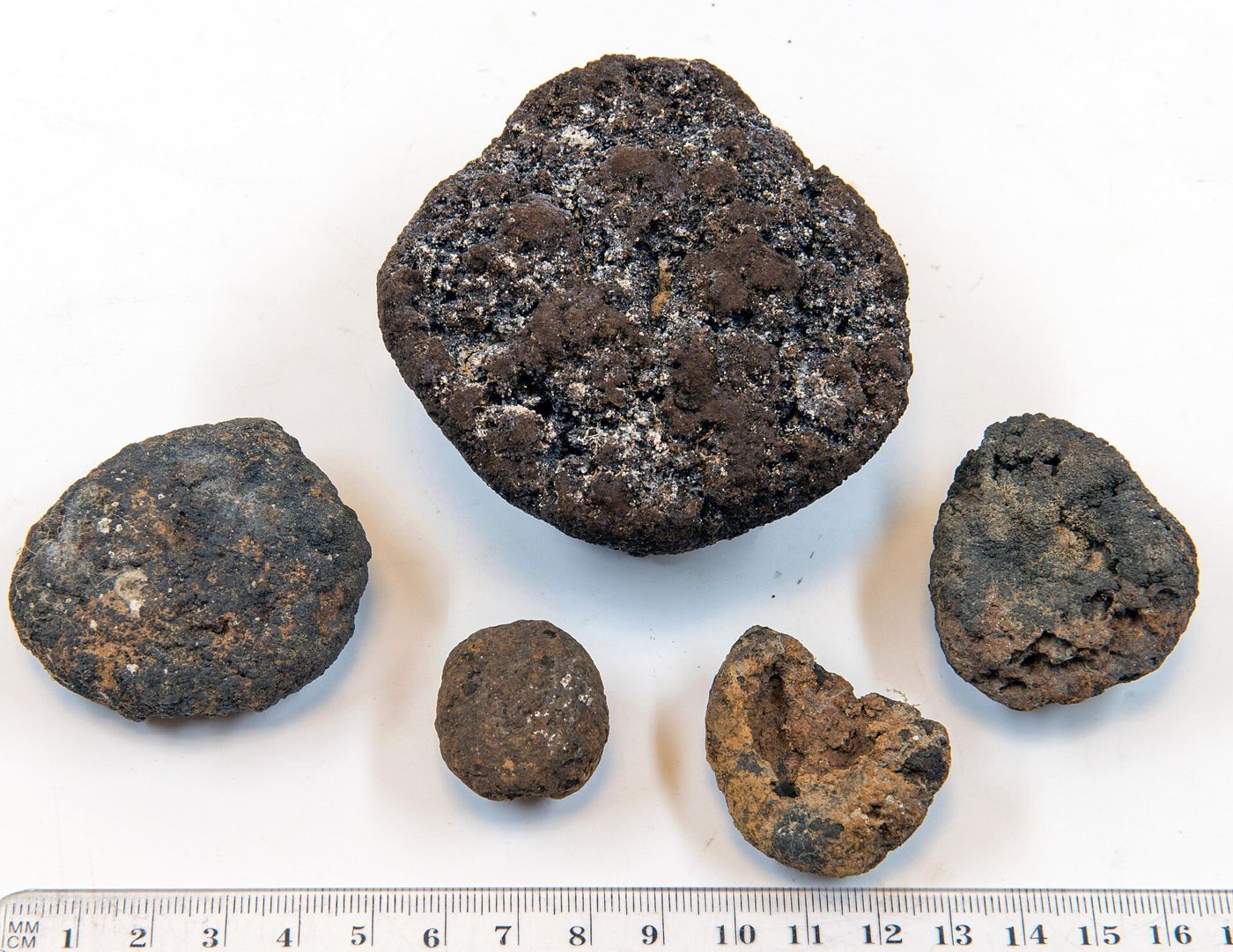
Four kilometres down on the Pacific seafloor, in total darkness, something is making oxygen. A study published in Nature Geoscience in July 2024 reported that potato-sized lumps of metal called polymetallic nodules produce oxygen without any sunlight, a process the researchers named dark oxygen. Lead author Andrew Sweetman of the Scottish Association for Marine Science first noticed the anomaly in 2013, while measuring how much oxygen deep-sea life consumed in the Clarion-Clipperton Zone, a vast plain between Hawaii and Mexico that spans about 4.5 million square kilometres of the Pacific, an area larger than the European Union. Instead of falling, oxygen levels inside his sealed seafloor chambers rose, sometimes to more than three times the background concentration over two days. He assumed his sensors were faulty and sent them back to the manufacturer several times before accepting the readings were real.
What the Evidence Shows
The explanation appears to be electrochemistry. The nodules, rich in manganese, cobalt, nickel and copper, carry surface voltages of up to 0.95 volts, and in laboratory tests they split seawater into hydrogen and oxygen, much like a battery in a rock. The finding rewrites a basic assumption of biology: until now, oxygen was thought to come only from photosynthesis by plants and algae, and the deep ocean was assumed to receive all its oxygen from the surface. It also raises the stakes for deep-sea mining, because the same nodules are targeted for the metals used in batteries, and removing them could destroy an oxygen source that deep-sea animals depend on. Follow-up studies are now testing whether dark oxygen occurs in other nodule fields, and how much of the deep ocean’s oxygen budget it supplies. Reporting and analysis from sources such as Nature track the same developments, and specialists following dark oxygen from seafloor nodules say the direction is now consistent across independent lines of evidence.
The Wider Context
The wider context is a research landscape in which replication and open data now decide reputations. Findings connected to dark oxygen from seafloor nodules are being checked by independent groups with shared datasets, and the teams involved publish their methods in full so rivals can test every step. That discipline is slower than a headline cycle, but it is why results in this area increasingly survive first contact with scrutiny.
What Happens Next
What happens next in the story of dark oxygen from seafloor nodules will be decided by follow-up work already under way: larger samples, longer observation and instruments that have not yet come online. The researchers involved are unusually united on one point, that the current results justify the next investment of time and money. Readers will not have to wait long for the first tests of that claim. You can follow related developments in our coverage of science.
None of this will be settled by a single announcement, study or product launch. The pattern to watch is accumulation: independent confirmations, honest reporting of failures and steady improvement in the underlying numbers. Readers who follow those signals, rather than the loudest claim of the week, will understand this subject better than most of the commentary surrounding it suggests is possible.
