
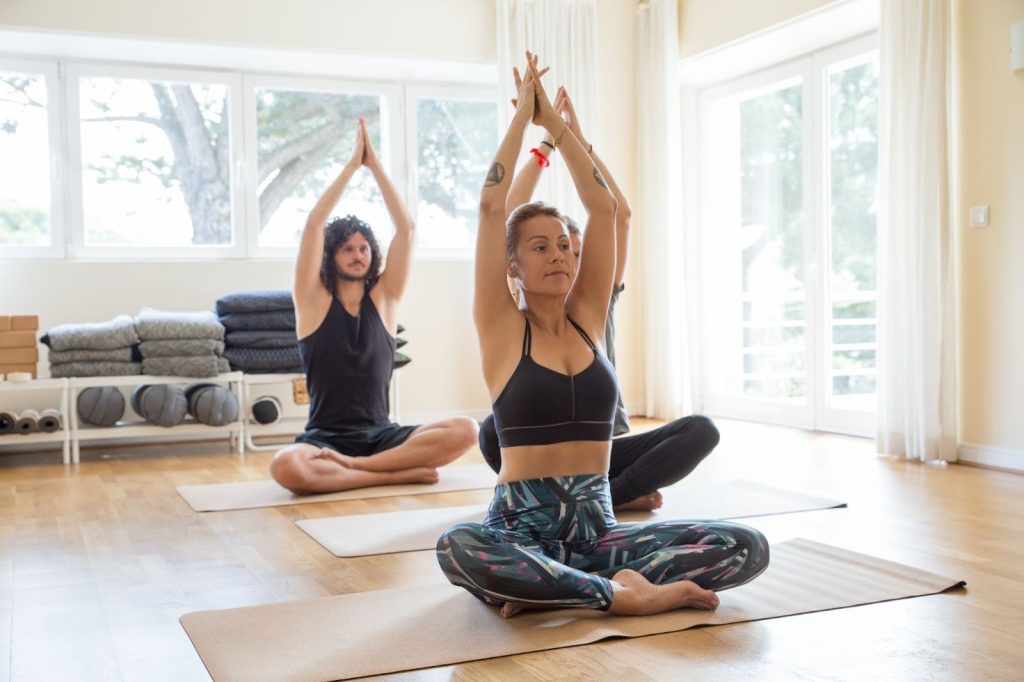
Ashtanga Vinyasa is a physically demanding yoga style. It follows set sequences of poses. Each movement links to breath. An Ashtanga yoga teacher training prepares you to guide others through this rigorous practice. The training itself is intense and transformative.
Understanding the Ashtanga System
Ashtanga uses a specific series of poses. Everyone starts with the Primary Series. It has about 75 poses in a set order. Then comes the Intermediate Series. Advanced Series A and B come after years of practice.
You practice the same sequence repeatedly. This repetition allows you to go deeper. You are not learning new poses in each class. You are refining the same poses over time.
Many yoga instructor courses cover multiple styles. But Ashtanga training focuses specifically on this method. The depth comes from specialization rather than breadth.
The Mysore Style Method
Traditional Ashtanga uses Mysore-style teaching. Students practice at their own speed in the same room. The teacher walks around giving individual help and adjustments. You learn poses one by one as you get good at the previous ones.
This is different from led classes, where everyone does the same pose together. Mysore allows for individual progression. A beginner and an advanced practitioner can practice side by side.
Yoga training in Indonesia centers that teach Ashtanga usually includes extensive Mysore practice. This gives you personal attention and individualized pacing.
Physical Requirements and Preparation
Ashtanga is hard physically. Be real with yourself about your fitness level before signing up. The Primary Series has jump-throughs, jump-backs, and tons of vinyasas. You need upper-body strength and a strong core.
You do not need to nail the full Primary Series before training. But you should be practicing Ashtanga regularly. Most programs want you to have practiced consistently for at least six months to a year.
Advanced yoga teacher training in Ashtanga assumes you have this foundation. The training builds on existing practice rather than teaching from scratch.
Typical Training Schedule
An Ashtanga yoga teacher training usually runs four to eight weeks. Intensive programs pack everything into one month. Longer formats give you more time to absorb the material and build strength.
Expect to wake up early. Morning Mysore practice starts at 6 AM a lot of times. It can go two to three hours. Afternoons cover philosophy, anatomy, and teaching stuff. You might practice again at night.
Bali yoga instructor courses in Ashtanga often follow this intensive format. The island setting allows for focused immersion without daily life distractions.
Learning the Primary Series
You learn the Primary Series inside and out. Every pose gets taken apart completely. You study the right vinyasa count. You learn the traditional Sanskrit names. You understand where to look during each pose.
You also learn modifications for common problems. Not everyone can do every pose right away. Knowing good modifications keeps students safe while they work toward the full version.
Traditional yoga courses in Bali that focus on Ashtanga maintain fidelity to the traditional form. The sequence does not change. The modifications stay within the system.
Vinyasa and Breath Connection
Vinyasa means your breath and movement sync up. In Ashtanga, every movement has its own breath. Breathe in for lifting moves. Breathe out for folding moves. This turns it into a moving meditation.
Learning to teach this breath-movement connection requires mastery of yourself. Your training includes hours of practice linking breath and movement. You develop the ability to maintain this connection even when tired.
Holistic yoga education in Bali approaches recognize this breath work as central to Ashtanga. It differentiates this style from other physically demanding yoga practices.
Adjustments in Ashtanga
Ashtanga uses hands-on adjustments a ton. Teachers physically push students deeper into poses. These adjustments can be really intense. You need skill and sensitivity to do them safely.
Your training covers the adjustment technique thoroughly. You learn which adjustments are appropriate for each pose. You practice on fellow students repeatedly. You also learn to receive adjustments gracefully.
Yoga teacher training retreats in Bali that specialize in Ashtanga dedicate significant time to adjustment practice. This hands-on skill takes time to develop properly.
Philosophy and Tradition
Ashtanga has strong roots. K. Pattabhi Jois created this system. He learned from Krishnamacharya. Knowing this lineage matters in Ashtanga training. You are learning a specific tradition with its own story and philosophy.
You study the Yoga Sutras of Patanjali. The eight limbs of yoga give you the philosophy framework. Ashtanga means eight limbs, actually. The physical stuff is just one part of a bigger system.
Yoga certification courses in Bali with an Ashtanga focus integrate philosophy throughout the training. It informs the practice rather than existing separately.
Chanting and Sanskrit
Traditional Ashtanga classes start and end with Sanskrit chanting. You learn these opening and closing mantras. You also learn Sanskrit names for all the Primary Series poses.
Some people feel weird about chanting at first. Others love the ritual aspect. Either way, it is part of traditional Ashtanga training. Understanding what the chants mean deepens your connection to practice.
Traditional yoga courses maintain these elements even when teaching Western students. They preserve the complete practice rather than just the physical poses.
Teaching Methodology
Teaching Ashtanga is different from teaching other yoga styles. You are not making up new sequences. You guide students through a set sequence. Your skill is knowing when to give which adjustment. When to offer modifications. How to pace each student correctly.
You learn to teach Mysore style and lead classes both. Each needs different skills. Mysore means tracking multiple students at different spots in the sequence. Led classes need clear counting and good timing.
Best yoga schools in Bali for Ashtanga training emphasize teaching practice extensively. You teach portions of class to your fellow students regularly.
Anatomy Specific to Ashtanga
The anatomy part focuses on what matters for Ashtanga. You study the shoulder area a lot since jump-backs and jump-throughs load it constantly. You learn about the hip joint and safe movement ranges.
You also study common injury patterns in Ashtanga. Doing the same thing over and over can create overuse problems if done wrong. Knowing these patterns helps you keep your future students safe.
Yoga instructor qualification courses in Ashtanga include detailed anatomy relevant to this vigorous practice style.
Building Strength and Stamina
The training itself builds serious strength and stamina. Doing the Primary Series six days a week changes your body. Your arms get stronger from all those chaturangas. Your core gets solid from the flowing movement.
You might drop weight during training. You burn a ton of calories. You move hard for hours every day. Make sure you eat enough to support all this activity.
Yoga lifestyle training in the Ashtanga tradition produces noticeable physical changes. The practice builds lean, functional strength.
Mental Discipline
The repetition can mess with your head. You do the exact same sequence every single day. Your mind might fight against this. It craves new stuff and variety. Pushing through this resistance builds mental toughness.
This toughness is part of the practice. The repetition is not boring if you stay present. There is always new stuff to find in familiar poses. Your training teaches you to discover depth in doing the same thing over and over.
Transformative yoga journey Bali programs using Ashtanga method recognize this mental component. The physical practice is also a mental training.
After Training: The Real Beginning
Completing your Ashtanga yoga teacher training qualifies you to teach. But traditional Ashtanga teachers typically practice for many years before teaching. The training is just the foundation.
You might start by teaching beginner stuff or helping more experienced teachers. You keep up your own practice seriously. In Ashtanga, what you practice shapes your teaching more than in other styles.
Many graduates return for advanced yoga teacher training after several years. The system contains enough depth for a lifetime of study.
Choosing an Ashtanga Training
Look for teachers with a clear connection to the source. They should have studied with authorized or certified Ashtanga teachers. This makes sure you learn the real method.
Visit the school if you can. Watch a Mysore class. See how the teacher deals with students. Make sure it feels supportive instead of super competitive.
Yoga training in Indonesia offers many Ashtanga programs. Some maintain strict traditional forms. Others incorporate more contemporary teaching methods. Neither is wrong, but know what you are signing up for.
The training demands significant commitment. It transforms both your practice and your teaching ability. Make sure you are ready for the intensity before you begin.
