
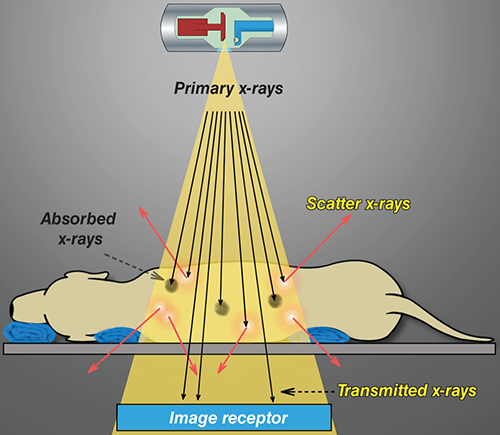
In modern radiography, precise control of equipment parameters is critical for delivering accurate diagnostic results. Among these, x-ray tube voltage plays a pivotal role in determining image quality, patient safety, and equipment performance. The tube voltage directly influences the energy and penetration of X-rays, affecting how well different tissues are visualized and how much radiation the patient receives. Proper voltage control not only enhances imaging clarity but also reduces the likelihood of repeated scans, saving time and limiting unnecessary radiation exposure. Moreover, it ensures consistent and reliable outcomes across a wide range of clinical scenarios, from routine examinations to complex diagnostic procedures. Understanding and implementing optimal voltage settings is essential for radiology professionals seeking to improve diagnostic accuracy, maintain high safety standards, and extend the lifespan of imaging equipment.
This blog explores the key benefits of managing tube voltage effectively, offering actionable insights for radiology professionals, healthcare facilities, and imaging technicians.
1. Enhanced Image Clarity Through Optimized Voltage Control
Effectively controlling x-ray tube voltage allows imaging teams to strike a perfect balance between clarity and detail. The ability to fine-tune settings contributes directly to faster, more accurate diagnoses and reduces the risk of overlooking subtle abnormalities.
- Balanced penetration and contrast: Proper voltage settings ensure that X-rays penetrate tissues efficiently without overexposure. By carefully adjusting the tube voltage, radiographers can achieve the ideal contrast between different anatomical structures, enabling precise visualization of bones, organs, and soft tissues.
- Reduced noise and artifacts: Maintaining optimal voltage minimizes image noise and eliminates artifacts that can obscure critical diagnostic details. High-quality images reduce the risk of misinterpretation and the need for repeat scans, which saves time and protects patient health.
- Consistent reproducibility: Consistent voltage control allows for uniform image quality across multiple scans. This consistency is crucial in longitudinal studies, follow-ups, or comparative diagnostics where subtle changes in tissue must be detected reliably.
2. Improved Patient Safety and Reduced Radiation Exposure
By prioritizing voltage control, medical facilities can uphold a culture of safety while maintaining diagnostic effectiveness. This approach demonstrates responsible practice, particularly in high-volume imaging centers where cumulative radiation exposure is a concern.
- Minimized unnecessary exposure: Proper voltage adjustment ensures that the patient receives only the necessary amount of radiation. Over-voltage can increase radiation dose without improving image quality, while under-voltage may require repeated scans.
- Tailored imaging for different patients: Individual patient factors, such as age, size, and tissue density, affect the optimal voltage setting. By controlling the tube voltage appropriately, radiologists can customize exposure to each patient, enhancing safety without compromising diagnostic value.
- Compliance with regulatory standards: Accurate voltage management ensures adherence to international safety guidelines, protecting both patients and healthcare personnel from excess radiation risk.
3. Optimized Equipment Performance and Longevity
Properly controlling tube voltage not only protects patients but also safeguards the investment in medical imaging infrastructure. Equipment that functions optimally contributes to consistent diagnostic results and operational efficiency.
- Reduced wear and tear: Maintaining precise voltage levels prevents undue stress on the X-ray tube and associated components. Over time, this reduces the risk of malfunction, prolonging the equipment’s operational lifespan.
- Minimized maintenance costs: Consistent control of high-energy parameters reduces the frequency of repairs and downtime. Predictable equipment performance enhances workflow efficiency and reduces long-term operational expenses.
- Stable performance under variable conditions: Proper voltage management ensures the machine operates reliably, even during prolonged usage or when imaging complex cases. This stability is essential for high-throughput radiology departments.
4. Precision Diagnostics Through Targeted Voltage Adjustments
Voltage control is not just about generating clearer images; it directly influences the diagnostic potential of radiography. Precision in this area elevates the standard of care, ensuring accurate detection and treatment planning.
- Enhanced differentiation of tissue types: Adjusting tube voltage allows radiologists to distinguish between tissues of similar density, such as soft tissue lesions versus surrounding organs. This precision is critical for early detection of abnormalities.
- Support for specialized imaging protocols: Certain procedures, including mammography or angiography, demand very specific voltage settings to highlight critical structures. Mastery of voltage control ensures that specialized protocols deliver optimal results.
- Facilitates advanced imaging techniques: Advanced imaging modalities, such as dual-energy scans, rely heavily on controlled voltage parameters. Proper adjustments enhance the diagnostic capability of these techniques, providing more comprehensive insights to clinicians.
5. Streamlined Workflow and Operational Efficiency
Efficient workflows are a direct benefit of meticulous voltage management. Facilities that prioritize this aspect experience smoother operations, improved patient throughput, and elevated diagnostic reliability.
- Fewer repeat scans: Proper control of x-ray tube voltage reduces the likelihood of imaging errors, ensuring that the first scan captures accurate results. This minimizes the need for repeat procedures, which can be time-consuming and inconvenient for patients.
- Enhanced staff confidence and training: Optimized voltage settings allow radiology professionals to trust the quality and consistency of their imaging results. Staff trained to understand and implement precise voltage control develop stronger technical skills and decision-making abilities. This fosters a culture of accuracy, accountability, and professional confidence within the imaging team.
- Integration with digital imaging systems: Maintaining controlled voltage levels ensures seamless compatibility with advanced digital radiography platforms. High-quality, consistent images are easier to process, analyze, and store in electronic systems.
Final Thoughts
Proper control of tube voltage for X-ray is a cornerstone of effective radiography, offering tangible benefits in image clarity, patient safety, equipment longevity, diagnostic precision, and operational efficiency. By understanding the science behind voltage settings and applying best practices, healthcare facilities can ensure consistent, high-quality imaging outcomes.
For advanced solutions in voltage control and reliable power supply for medical imaging, a professional high-voltage power supplier can streamline operations and support long-term performance. Connecting with VJ X-Ray ensures that your imaging equipment functions at peak efficiency, empowering medical teams to deliver precise diagnostics with confidence.
