
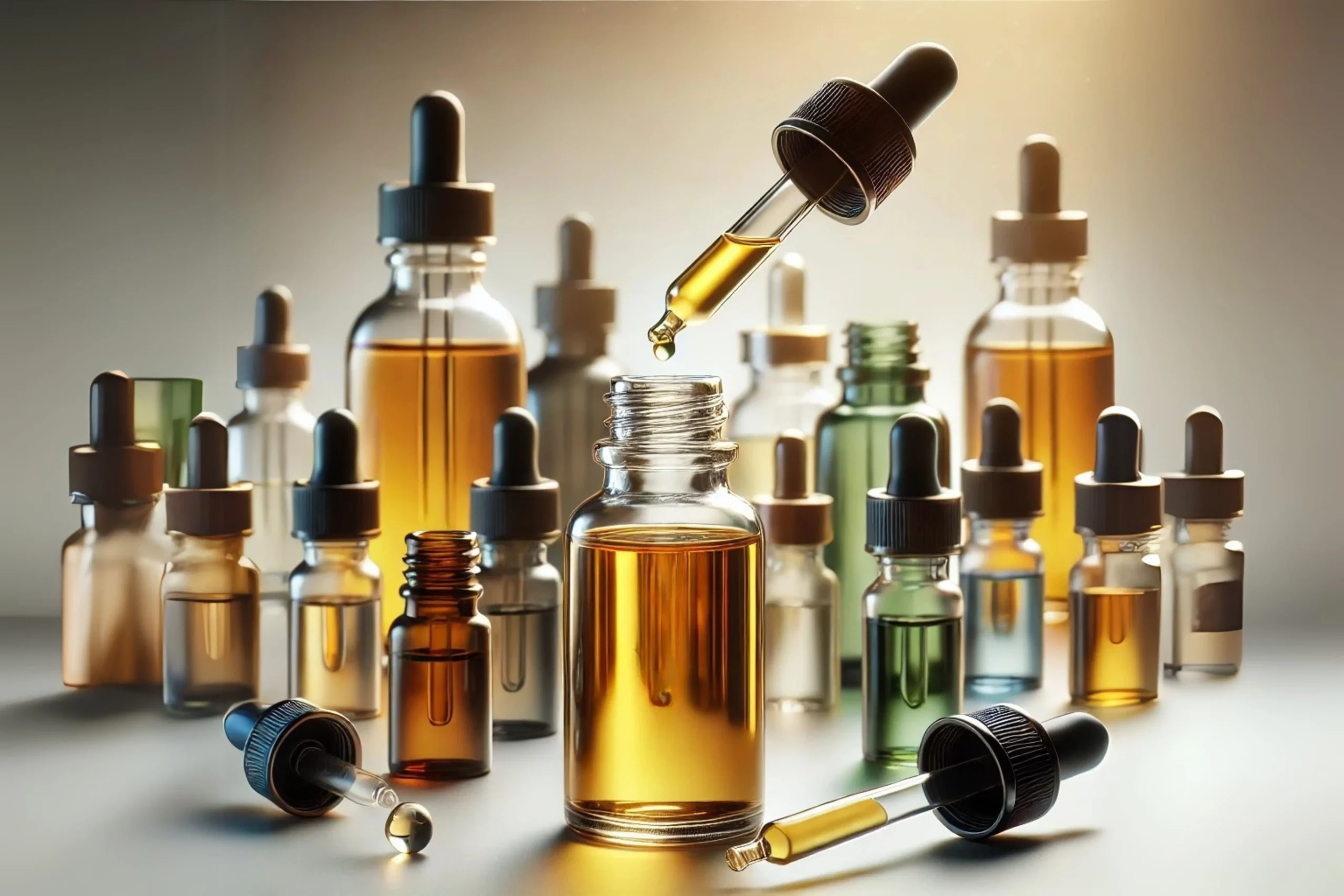
In the world of DIY essential oils and blends, the choice of glass bottles plays a significant role. Selecting the right kind of glass bottle is crucial in maintaining the integrity, quality, and efficacy of the oils. This guide will delve into the important factors to consider when choosing the best containers for your creations.
Importance of Quality Bottles
Quality glass bottles are essential for storing essential oils and blends to protect them from degrading. Glass containers prevent the potential chemical reactions that can occur with plastic materials. Furthermore, glass is impermeable to oils, ensuring that there is no risk of contamination or alteration.
Types of Glass Bottles
When selecting a bottle, one must consider the type best suited for storing oils. There are various options, such as amber glass, which offers protection against ultraviolet light, and clear glass, which may be suitable for short-term use.
Amber Glass Bottles
Amber glass provides excellent protection from UV light, preserving the therapeutic properties of essential oils. These bottles are recommended for products that require a long shelf life.
Clear Glass Bottles
While not as protective as amber, clear glass bottles can be used where visual appeal is preferred, and the oils are consumed promptly.
Size Considerations
The volume of the bottle is another critical factor. Common sizes range from 5ml to 100ml or more. It is important to select a size that matches the intended use and storage requirements.
Closures and Dispensing Options
A wide variety of closures are available, including droppers, sprays, and screw caps. The choice depends on the application method preferred for the oils.
Benefits of Dropper Bottles
Dropper bottles offer precision dispensing, making them suitable for oils that require careful application. They ensure ease of use and minimise waste.
Safety and Hygiene Standards
When purchasing glass bottles, ensure they meet safety and hygiene standards. It is essential to choose suppliers who adhere to quality control measures.
Compatibility with Oils
The chemical composition of the essential oils must be compatible with the glass material to avoid reactions that could degrade the oil. Glass is less reactive compared to plastic, making it a safer option.
Using Precision Pipettes
When handling blends, using precision pipettes can be beneficial. Pipettes allow for accurate measurement and transfer of oils, enhancing the precision in mixing.
Environmental Considerations
Glass bottles are an eco-friendly choice due to their recyclability. By choosing glass over plastic, one contributes to reducing environmental impact.
Cost-Effectiveness
Although glass bottles may initially be more expensive than plastic, their reusability and protective qualities justify the investment, particularly for high-quality essential oils.
Customisation Options
Many suppliers offer customisation options, including labels and branding, allowing for a personalised touch to the DIY creations.
Conclusion
Selecting the right glass bottle significantly impacts not only the efficacy and lifespan of essential oils and blends but also the overall presentation. By choosing appropriately, users can ensure their DIY projects are stored safely and remain potent until use.
