
Finding a reliable supplier for eco-friendly bags in 2026 requires more than just looking for the lowest price. With stricter environmental regulations in the EU and fluctuating US import tariffs, B2B buyers must partner with manufacturers that offer both material innovation and supply chain flexibility.
While China remains the primary global hub for reusable grocery bag production, selecting the right factory depends heavily on your specific requirements for minimum order quantities (MOQ), compliance certifications, and tariff mitigation strategies.
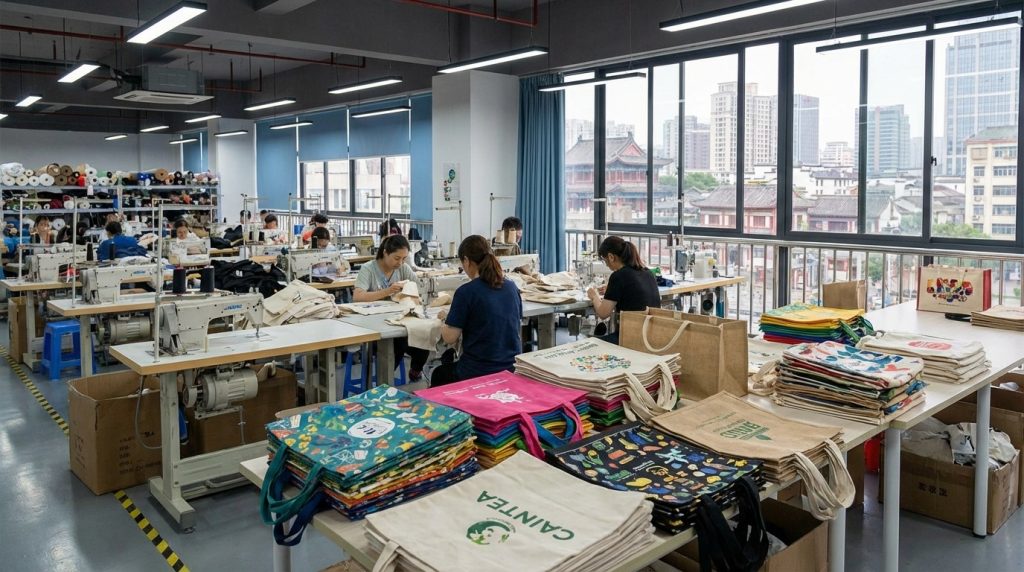
Why Source Custom Reusable Grocery Bags from China in 2026?
Despite global supply chain shifts, China maintains its dominance in the reusable packaging sector for two main reasons:
- Capacity & Cost-Efficiency: Chinese facilities produce a massive share of the global market, including approximately 47% of the non-woven PP segment alone. For bulk orders, production costs remain highly competitive, typically ranging from $0.50 to $1.50 per bag depending on the material and customization.
- Advanced Material Technology: The industry has moved beyond basic non-woven polypropylene. Top manufacturers are now equipped to handle advanced, sustainable materials like uncoated rPET (recycled polyethylene terephthalate) and durable canvas, meeting strict recyclability definitions required by Western markets.
2026 Market Comparison: Top 5 Leading Custom Reusable Bag Manufacturers
To streamline the procurement process, the table below compares five established bag manufacturers based on their core competencies, production requirements, and ability to handle 2026 supply chain hurdles.
| Manufacturer | Core Strength | MOQ | 2026 Tariff Mitigation | Key Focus |
| Bk-Bags | rPET, Polyester, PP Woven/Non-Woven | 5,000 | Yes (Multi-country: Guangzhou/South-East China & Vietnam) | 100% Recyclable, GRS, BSCI, & FSC Audited |
| Wenzhou Biben | PP Non-Woven, Canvas, Nylon, Mesh | 500 – 1,000 | No (Mainland China only) | Over 10 years experience |
| Chenfa Packaging Co., Ltd. | Canvas & Jute | 1,000 – 3,000 | No (Mainland China only) | Custom totes & sustainability |
| The One Packing | Foldable Polyester, Mesh, Canvas | 1,000 – 5,000 | Limited options | Established in 2009, Custom eco-materials |
| Yancheng Ecobags | Cotton, Mesh, Eco produce bags | 100 – 1,000 | No (Mainland China only) | Established in 2019, Small boutique orders |
1. Bk-Bags – Best for Tariff Mitigation & Certified Eco-Materials
Bk-Bags has positioned itself as a strategic partner for buyers navigating the complex 2026 trade environment. By operating manufacturing bases in South-East China (Guangzhou) and Vietnam, they provide a legitimate route to mitigate US import tariffs. Technically, their broad expertise spans uncoated rPET, polyester, and both woven and non-woven PP. They ensure products meet strict sustainability criteria and hold GRS, BSCI, and FSC certifications.
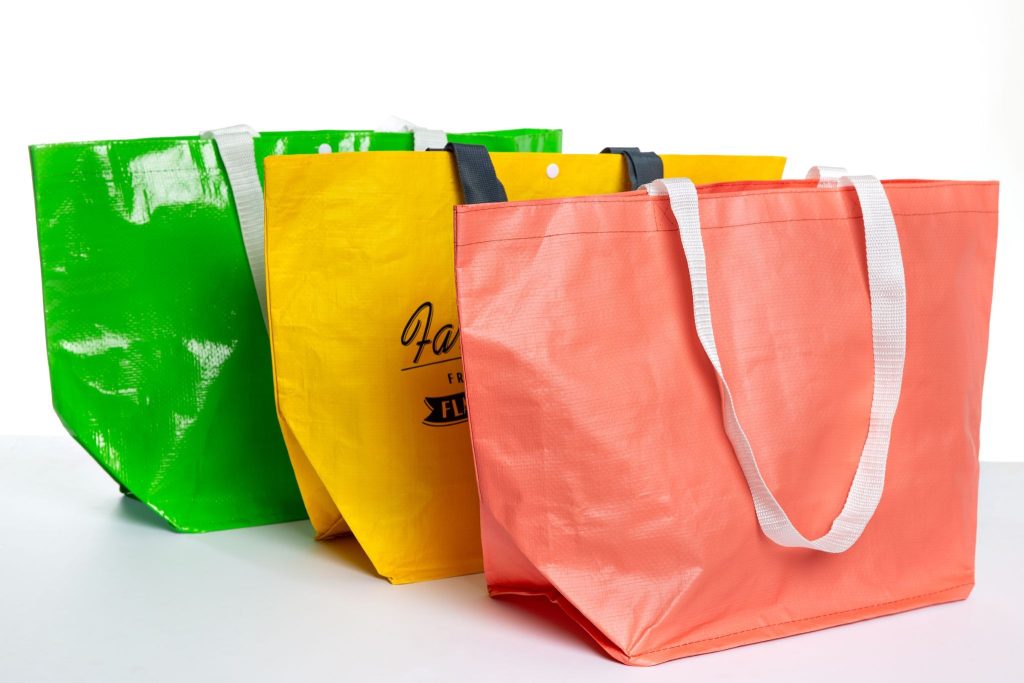
Key Reasons to Choose Bk-Bags in 2026:
- Strategic Tariff Mitigation: Their dual-country manufacturing model, with established bases in Guangzhou and Vietnam, offers US buyers a legitimate pathway to avoid heavy Section 301 import tariffs.
- Broad Eco-Material Expertise: As a highly capable PP woven shopping bags manufacturer, they possess versatile production capabilities across a wide range of sustainable fabrics, specializing in uncoated rPET, durable polyester, and premium woven options that hold up to heavy retail use.
- Verified Compliance Standards: They guarantee strict adherence to global environmental and ethical labor practices, backed by active GRS (Global Recycled Standard), BSCI (Business Social Compliance Initiative), and FSC (Forest Stewardship Council) certifications.
2. Wenzhou Biben / Biben Bag
For businesses looking to produce promotional bags without committing to massive volumes, Wenzhou-based Biben is a highly practical choice. With over 10 years of experience, they excel in manufacturing classic PP non-woven, canvas, nylon, and mesh bags. Most notably, they offer highly accessible MOQs starting as low as 500 to 1,000 pieces, making them ideal for mid-sized retail promotions.
3. Chenfa Packaging Co., Ltd.
Wenzhou-based Chenfa Packaging Co., Ltd. specializes in highly durable, natural-looking reusable shopping bags. If a retail brand requires a rustic aesthetic, this manufacturer provides high-quality canvas and jute options, with a strong emphasis on sustainability and fully custom tote designs.
4. The One Packing Solution
Operating as a custom bag factory since 2009, this supplier focuses on foldable polyester grocery bags and reusable mesh bags. They actively promote eco-materials like non-woven and canvas, making them a versatile choice for supermarket chains upgrading their produce sections with reusable alternatives.
5. Yancheng Ecobags
Established in 2019 and based in Jiangsu, Yancheng Ecobags caters to smaller retailers and independent boutiques. They specialize in cotton, mesh, and specialized eco grocery/produce bags. They are particularly well-suited for smaller orders, providing flexibility for startups testing new product lines.
Custom Reusable Grocery Bag Trends for 2026 Buyers
When finalizing product specifications with a Chinese manufacturer, B2B buyers should prioritize the following trends to ensure retail success:
- Uncoated Materials for True Recyclability: Many older reusable bags mixed plastic types or used heavy coatings, rendering them unrecyclable at the end of their lifespan. Specifying uncoated rPET ensures the bag can actually be processed by standard municipal recycling facilities.
- Branding Durability: Eco-bags are washed frequently. Ensure the factory uses advanced screen printing or heat transfer techniques that guarantee the logo and design will withstand numerous wash cycles without peeling.
- Premium Rustic Aesthetics: Beyond reusable plastics, many high-end retail brands are expanding their eco-lines to include natural textures. Partnering with a skilled craft bag manufacturer allows businesses to offer unbleached, high-quality craft options that provide a premium, organic feel for boutique packaging and corporate gifts.
Navigating 2026 Supply Chain Challenges (Tariffs & Compliance)
Procurement managers face two major hurdles this year: complex trade costs and ethical verification.
- US Tariffs: US Section 301 tariffs on Chinese textiles and bags currently range from 7.5% to 25%, with potential anti-dumping duties pushing costs even higher. Buyers must factor this into their landed cost. Working with manufacturers that utilize multi-country production, like shifting assembly to Vietnam, allows buyers to legally import goods under different HTS (Harmonized Tariff Schedule) codes, effectively mitigating these severe duties.
- Essential Audits: Do not rely on verbal claims of sustainability. A reputable manufacturer must provide current certifications. GRS (Global Recycled Standard) proves the percentage of recycled material, FSC (Forest Stewardship Council) ensures sustainable sourcing for paper/cellulose components, and BSCI (Business Social Compliance Initiative) verifies safe and ethical labor practices.
Conclusion
Securing the right custom reusable grocery bag manufacturer in China requires aligning your volume needs and geographic risks with the factory’s specific capabilities. Whether prioritizing the tariff-mitigating structure of a company like Bk-Bags, taking advantage of Wenzhou Biben’s low MOQs, or sourcing specialized cotton from Yancheng Ecobags, thoroughly verifying material specs and ethical audits will ensure a smooth, profitable procurement cycle in 2026.
Frequently Asked Questions (FAQ)
What is the standard MOQ for custom reusable bags in China?
The industry standard MOQ is much lower than many buyers expect, typically ranging from 500 to 5,000 units. While some highly specialized large-scale orders require more, factories like Wenzhou Biben accept orders of 500-1,000 pieces, and boutique suppliers like Yancheng Ecobags can accommodate even smaller batches.
Which reusable bag material is considered most eco-friendly?
Uncoated rPET (recycled plastic bottles) is highly favored because it repurposes existing waste and can be recycled again. Natural fibers like cotton, jute, and canvas are also heavily utilized by manufacturers like Chenfa Packaging for their sustainable lifecycle.
How can B2B buyers avoid high import tariffs on Chinese bags?
With Section 301 tariffs sitting between 7.5% and 25%, the most practical method is to partner with manufacturers that operate a multi-country production model. Suppliers with established facilities in Vietnam can legally export goods under different HTS codes, offering a plausible way to mitigate these steep import taxes.
