
Offices and commercial spaces lean on stable internet for almost everything now. Daily operations, staff communication, and cloud-based systems all sit on top of one connection. When that connection wobbles, work slows down and frustration builds fast. Companies across Kenya are rethinking the network hardware that quietly runs everything behind the scenes.
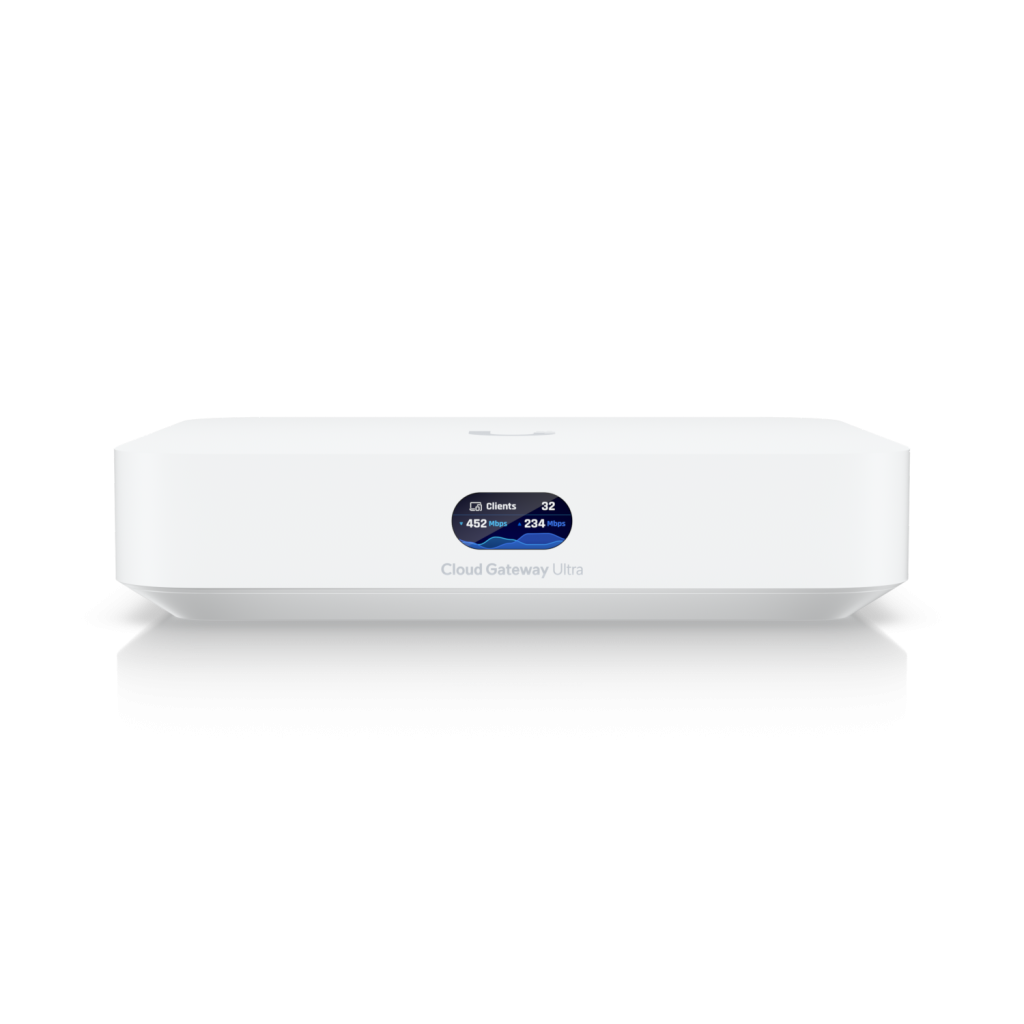
Reliability is where the conversation usually starts, and it rarely ends there. Business owners want raw speed, but they also want real control over who connects and how. Ubiquiti routers give businesses faster throughput, centralised management, and stronger security across every connected device in the office. That single shift often settles long-running arguments about lagging networks and dropped video calls for good.
When Slow Networks Start Eating Into Profit
Hidden Costs Of Weak Infrastructure: Poor network infrastructure rarely announces itself. It shows up as dropped calls, files that refuse to load, and staff waiting on a spinning wheel. Over weeks, those small delays stack into real money lost. Productivity dips, deadlines slip, and clients start noticing the lag before you do.
Why Smooth Conversations Depend On Hardware: Modern offices run on constant contact. Reliable business communication keeps teams aligned, customers answered, and decisions moving without awkward gaps. When the underlying network struggles, video meetings freeze and voice calls break apart mid-sentence. The tools look fine, yet the connection underneath them quietly undermines every exchange you rely on daily.
Security Gaps You Never Planned For: Weak routers do more than slow you down. They leave doors open. Outdated firmware and basic configurations invite intrusions that target sensitive client data and payment records. A single breach can cost far more than the upgrade you kept postponing. Protecting your network is no longer optional for serious operations.
Building A Network That Grows With You
Room To Expand Without Starting Over: Growth has a way of straining whatever you set up too cheaply. Smart networking planning supports long term scalability, letting you add staff, branches, and devices without ripping everything out. You buy once, then build on it. That kind of foresight saves budget that smaller, short-sighted setups quietly drain away.
Central Control From One Simple Dashboard: Managing scattered devices one at a time wastes hours nobody has. Centralised management pulls every access point and router into a single view. You see traffic, spot problems, and push updates across the whole office in minutes. The network stops feeling like a mystery and starts behaving predictably.
Speed That Holds Under Heavy Load: A busy office pushes traffic from dozens of devices at once. Cheaper hardware buckles when everyone joins a call or uploads files together. Better routers handle that pressure without dropping performance, keeping uploads, downloads, and cloud syncs steady. Your team works at full pace even during the busiest stretch of the day.
Real Offices, Real Pressure On The Network
Cloud Tools That Refuse To Wait: Most businesses now run accounting, storage, and customer records through the cloud. Every one of those tools assumes a steady link to function properly. When the network stutters, invoices fail to save and shared documents lock up mid-edit. A dependable router keeps these everyday systems responsive instead of randomly grinding to a halt.
Guest Access Without The Risk: Visitors, contractors, and clients often need a quick connection. Handing them your main network, though, exposes internal systems you would rather keep private. Professional routers separate guest traffic from core operations cleanly, so outsiders get online without touching sensitive areas. That simple division spares you headaches you might not see coming.
Fewer Outages, Calmer Workdays: Downtime feels minor until it lands on a deadline. Staff sit idle, customers wait, and the whole office tenses up over a connection nobody can fix fast. Better hardware reduces these interruptions and recovers quicker when trouble does appear. Your team spends the day working rather than restarting the router for the third time.
What Sets Professional Networking Apart
Features That Earn Their Keep: Not every upgrade pays for itself, but the right networking gear usually does. The difference shows in daily reliability rather than flashy spec sheets. Before committing, you want to know what practical gains a proper setup brings to an office that depends on its connection every single hour.
Here is where a professional-grade network quietly proves its value:
- Faster speeds keep file transfers, backups, and video calls running without the usual stutter.
- Centralised management lets your IT team configure and monitor every device from one place.
- Stronger security features guard sensitive data against intrusions and unauthorised access attempts.
- Stable performance under load means dozens of users stay productive at the same time.
- Easy expansion supports new offices and extra staff without a costly full rebuild.
Choosing With Confidence Rather Than Hope: Guesswork is expensive when networks are involved. Buying from an authorised retailer means genuine hardware, valid warranties, and proper support if something goes wrong later. You sidestep the counterfeit traps and dead-end purchases that catch buyers chasing the cheapest listing online. Sound advice at the point of sale protects you for years.
Step Into Networking That Just Works
A faster, safer, smarter network is not a luxury reserved for big corporations anymore. It is the baseline serious offices need to compete and keep clients happy. The longer you stay on ageing hardware, the more ground you quietly lose to rivals who upgraded first. Speak to an authorised retailer today and give your business the connection it deserves.
