
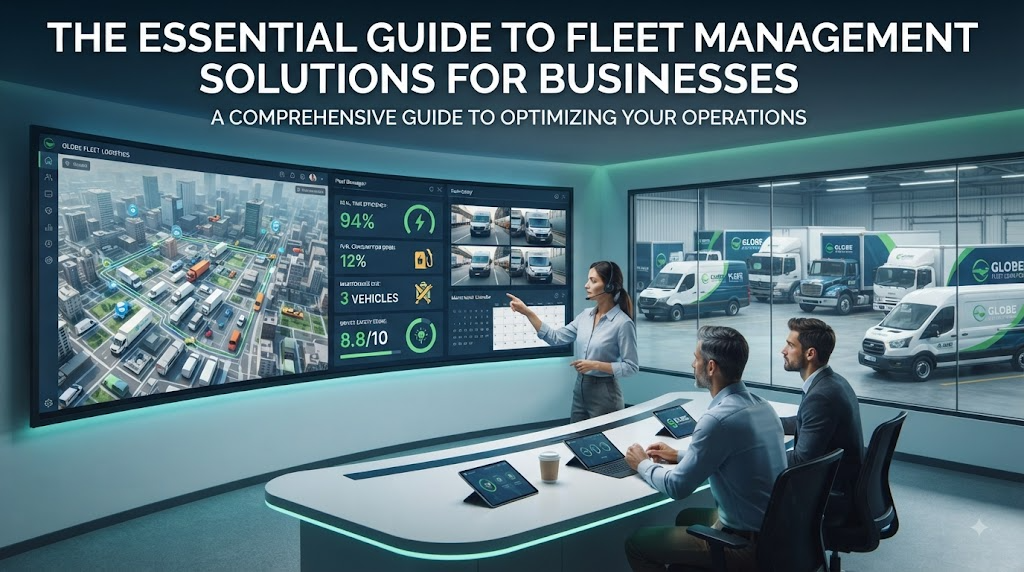
Fleet management has become a cornerstone of modern business operations, offering essential tools for companies reliant on transportation. Businesses often turn to fleet solutions to improve efficiency and lower operational costs. These systems can dramatically enhance logistical operations, ensuring that every vehicle operates at peak capacity and all deliveries are timely and cost-effective.
Understanding Fleet Management
Fleet management encompasses various functions, such as vehicle financing, maintenance, telematics, driver management, and fuel management. This enables businesses to reduce risks associated with vehicle investment and improve productivity.
The Importance of Telematics
Telematics is a critical component of effective fleet management. It involves the integration of telecommunications and informatics to send, receive, and store information about vehicles through telecommunication devices. This data helps in real-time tracking of vehicles, optimising routes, and predicting maintenance needs.
Key Benefits of Fleet Solutions
Implementing robust fleet solutions provides numerous advantages. These include improved customer service through timely deliveries, reduced fuel consumption due to efficient routing, and enhanced vehicle longevity through regular maintenance schedules.
Cost Efficiency
One of the primary benefits of fleet management is cost reduction. Effective fleet solutions minimise redundancies in the delivery process, leading to lowered operational costs and improved profit margins.
Challenges in Fleet Management
Despite its advantages, fleet management presents certain challenges, such as data privacy concerns and the initial cost of implementing telematics systems. Companies must weigh these factors against the potential benefits to their operational efficiency.
Ensuring Data Security
Data security is a significant concern in fleet management. With the integration of various technologies, protecting sensitive information from cyber threats is paramount. Implementing robust cyber-security measures is essential for maintaining data integrity and building trust with stakeholders.
Driver Management
Managing drivers effectively is crucial. This aspect includes monitoring driver behaviour, ensuring compliance with policies, and providing adequate training to improve safety and efficiency.
Future Trends in Fleet Management
As technology advances, businesses must stay updated with future trends in fleet management. These include the adoption of autonomous vehicles, the increased use of electric cars, and further advancements in telematics technology.
The Rise of Electric Vehicles
The shift towards electric vehicles (EVs) is an emerging trend in fleet management. With reduced environmental impact and lower fuel costs, EVs present a sustainable solution for businesses looking to enhance their fleet operations.
Conclusion
In conclusion, adopting a comprehensive fleet management system is crucial for businesses aiming to optimise their transportation logistics. While challenges exist, the benefits of improved efficiency, cost savings, and enhanced control make fleet solutions an invaluable part of modern business strategy.
For those interested in learning more about how fleet solutions can transform their business, Enviroline Group offers extensive insights and customised solutions to meet various operational needs.
