
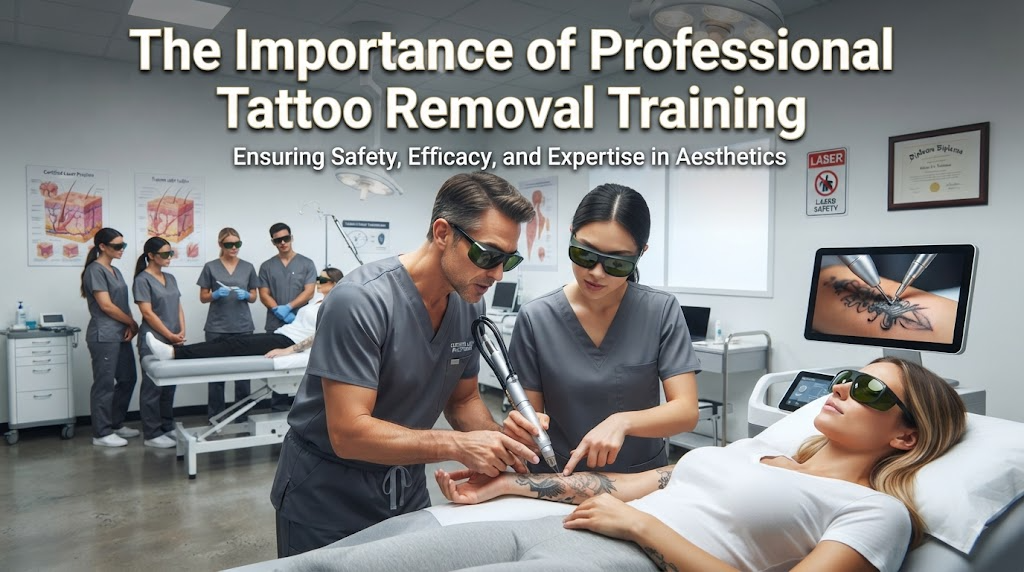
The demand for tattoo removal services has increased significantly over the past decade. As more individuals seek to remove unwanted tattoos, the need for qualified professionals has surged. Seeking tattoo removal training is crucial for those looking to enter this specialised field.
Understanding Tattoo Removal Techniques
Tattoo removal is a meticulous process that requires a deep understanding of laser technology and skin anatomy. Various techniques are used in the industry, with laser removal being the most popular. This method involves the use of a high-intensity light beam to break down the ink particles in the skin. It is essential that practitioners are well-trained to ensure effective and safe results.
Laser Technology in Tattoo Removal
Laser technology has advanced significantly, offering effective and minimally invasive solutions for tattoo removal. A variety of lasers, such as Q-switched lasers, are commonly used due to their ability to target different ink colours effectively. Understanding the different types of lasers and their applications is a key component of professional tattoo removal training.
The Importance of Skin Anatomy Knowledge
For effective tattoo removal, a comprehensive understanding of skin anatomy is vital. Knowing how different skin types react to laser treatments allows practitioners to tailor their approaches to individual clients, minimising risks and improving outcomes. Training programs often include detailed modules on skin anatomy and the healing process.
Developing Client Consultation Skills
Client consultation is a crucial aspect of tattoo removal services. Professionals must effectively communicate the process, potential outcomes, and possible side effects to clients. Building trust through transparent and informative consultations ensures client satisfaction and sets realistic expectations.
Safety Protocols and Best Practices
Ensuring safety during tattoo removal procedures is paramount. Comprehensive training programs cover essential safety protocols, including the use of personal protective equipment (PPE), operating laser devices safely, and managing adverse reactions. These practices are fundamental in protecting both the practitioner and the client.
Legal and Ethical Considerations
Professionals in the tattoo removal industry must adhere to legal regulations and ethical standards. Training programs offer guidance on navigating the legal landscape, ensuring compliance with industry standards, and maintaining professional integrity.
Building a Successful Career in Tattoo Removal
With the growing demand for tattoo removal services, pursuing a career in this field can be rewarding. Professional training not only equips practitioners with technical skills but also provides them with business insights to thrive in the industry. Understanding market trends, client demographics, and marketing strategies are integral components of career success.
Choosing the Right Training Program
Selecting an appropriate tattoo removal training program is a critical decision. Aspiring practitioners should consider programs that offer comprehensive coursework, hands-on experience, and certification. Accreditation by recognised industry bodies can further enhance the credibility of the training received.
The Role of Continuing Education
Continuing education plays a vital role in keeping professionals updated with the latest advancements in tattoo removal technology and practices. Regularly attending workshops, seminars, and advanced courses ensures that practitioners remain at the forefront of the industry and continue to offer high-quality services.
Conclusion
In conclusion, acquiring proper tattoo removal training is essential for anyone looking to excel in this field. As the market grows, so does the need for skilled professionals who can deliver safe and effective tattoo removal services. Through comprehensive training, professionals not only gain technical expertise but also the confidence to build thriving careers in tattoo removal.
