
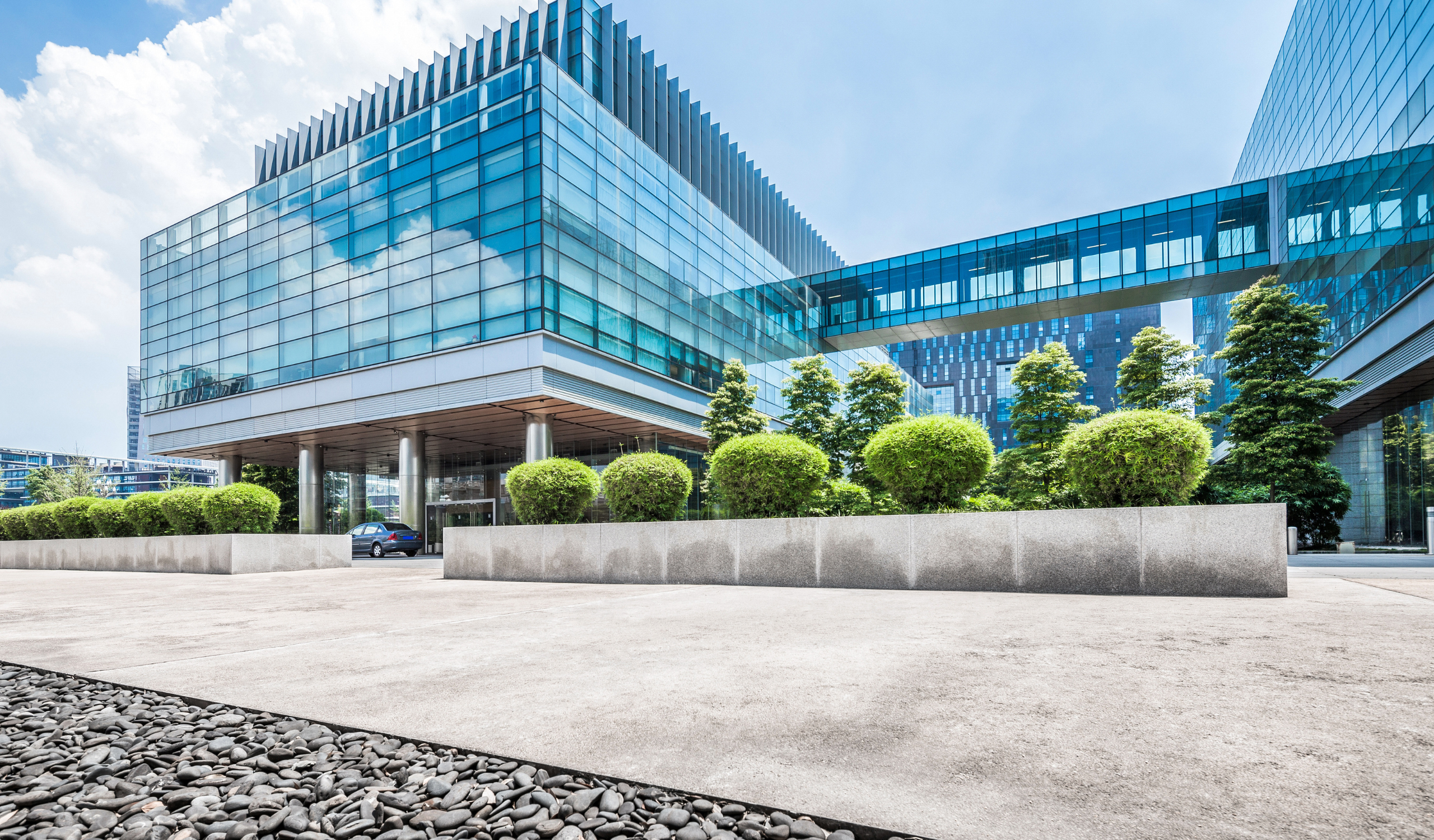
Commercial security planning does not start with cameras or monitoring equipment. It starts with understanding the property itself.
Every commercial property has its own layout, traffic patterns, entrances, parking areas, buildings, storage spaces, and less visible areas. These details can influence where security equipment is placed, what areas require additional attention, and how a business responds when something unexpected happens.
Backstreet Surveillance works with businesses on commercial surveillance solutions, including mobile surveillance technology designed for properties that may have large or changing areas to monitor. Looking at the layout of a property first can help businesses make more informed decisions about how those solutions should be used.
Start With the Property, Not the Equipment
It can be tempting to begin a security project by thinking about how many cameras are needed or what type of monitoring system should be installed. However, equipment decisions make more sense after the property has been evaluated.
A small office building with a single entrance has very different security considerations than a large commercial property with several buildings, multiple parking areas, loading zones, and outdoor storage.
The first step is understanding how people and vehicles move through the property. Employees may use one entrance while deliveries arrive through another. Customers may have access to the front of a building while employees use a separate entrance. Service vehicles may travel through areas that are rarely used by other people.
These patterns can create areas that receive a lot of activity as well as areas that receive very little. Both can matter when planning commercial security.
Entrances and Access Points
Entrances are some of the most obvious areas to consider, but businesses should look beyond the main doors.
Commercial properties may have employee entrances, delivery doors, loading docks, garage doors, emergency exits, and gates. Each access point can serve a different purpose and may have different security concerns.
A delivery entrance, for example, may be active throughout the day but much quieter at night. A gate may control access to a large outdoor area without having anyone stationed there continuously.
Understanding how each access point is used can help determine where visibility is most important.
This does not necessarily mean every entrance needs identical security equipment. The goal is to understand what happens at each location and determine what level of visibility makes sense.
Parking Areas Can Be Easy to Overlook
Parking areas are another important part of a property’s layout.
Large parking lots can create significant distances between a building and the edge of the property. Employees and customers may move through these areas throughout the day, while activity can change considerably after business hours.
The location of entrances, exits, walkways, lighting, and nearby buildings can all influence how easily the area can be observed.
A business may have excellent visibility around its main building while having much less visibility across a distant section of the parking lot. That does not necessarily mean there is a security problem, but it is an area worth considering during the planning process.
The same applies to employee parking, visitor parking, delivery areas, and spaces used for company vehicles.
Large Properties Require a Different Approach
The larger a property becomes, the more difficult it can be to monitor everything from a single location.
A commercial facility may include several buildings spread across a large area. A warehouse may have outdoor storage. A construction site may change from one month to the next as new structures, equipment, and access routes are added.
In these situations, the property itself becomes part of the security challenge.
Businesses may need to think about areas that are far away from the primary building or outside the normal line of sight of employees. They may also need to consider how temporary changes affect visibility.
For some locations, mobile surveillance can provide additional flexibility. Mobile surveillance trailers can be positioned in areas where additional monitoring is needed without requiring the same permanent infrastructure as a fixed installation.
Perimeters Matter Too
Security planning should not stop at the walls of a building.
The perimeter of a commercial property can include fences, gates, roads, parking areas, landscaping, open fields, storage areas, and other boundaries. Depending on the property, activity around these areas may be just as important as what happens inside the building.
A property with a long or irregular perimeter can be particularly challenging to monitor. A fence may provide a physical boundary, but businesses may still need to consider what is happening around gates, corners, access roads, or areas that are difficult to see from the main building.
Thinking about the perimeter as part of the overall property can help businesses identify where additional visibility may be useful.
Property Changes Can Change Security Needs
Commercial properties are rarely completely static.
A business may expand its parking area, begin a construction project, add outdoor storage, change its traffic flow, or start using a section of the property that previously had little activity.
Those changes can affect security planning.
A camera that made sense when a property was smaller may no longer provide the same coverage after an expansion. A temporary construction area may introduce new equipment, materials, entrances, and access routes. A previously quiet part of the property may become much busier.
This is one reason commercial security planning should not necessarily be treated as a one-time decision.
As the property changes, it can be useful to review whether the existing security approach still matches the way the property is being used.
Visibility and Lighting Work Together
Lighting is another part of property layout that deserves attention.
Poor lighting can make it harder to see activity around entrances, parking areas, walkways, and other parts of a property. Buildings, walls, landscaping, signs, and other structures can also create areas where visibility is limited.
Security planning should consider these physical features rather than treating cameras or monitoring equipment as completely separate from the property.
A well-positioned surveillance system can provide useful visibility, but its effectiveness depends partly on what it can actually see. Understanding the location of buildings, obstructions, access points, and lighting can help businesses make more practical decisions about placement.
A Security Plan Should Fit the Property
There is no single security setup that works equally well for every commercial property.
The right approach depends on how the property is laid out, how it is used, what areas require attention, and how those factors may change over time.
Backstreet Surveillance approaches commercial surveillance with these practical considerations in mind. For businesses dealing with large properties, outdoor areas, construction sites, or changing security needs, mobile surveillance can be one option to consider alongside other security measures.
The important starting point is not simply asking, “How many cameras do we need?”
A better question may be, “What does our property require us to see?”
Once a business understands how people, vehicles, equipment, and activity move through its property, it becomes easier to identify areas that deserve additional attention. From entrances and parking lots to perimeters and remote outdoor spaces, the layout can reveal security considerations that may otherwise be overlooked.
Commercial security is ultimately about more than equipment. It is about understanding the environment that needs to be protected and choosing solutions that make sense for that environment. When property layout is considered from the beginning, businesses can build a security strategy that is better suited to the way their property actually works.
