
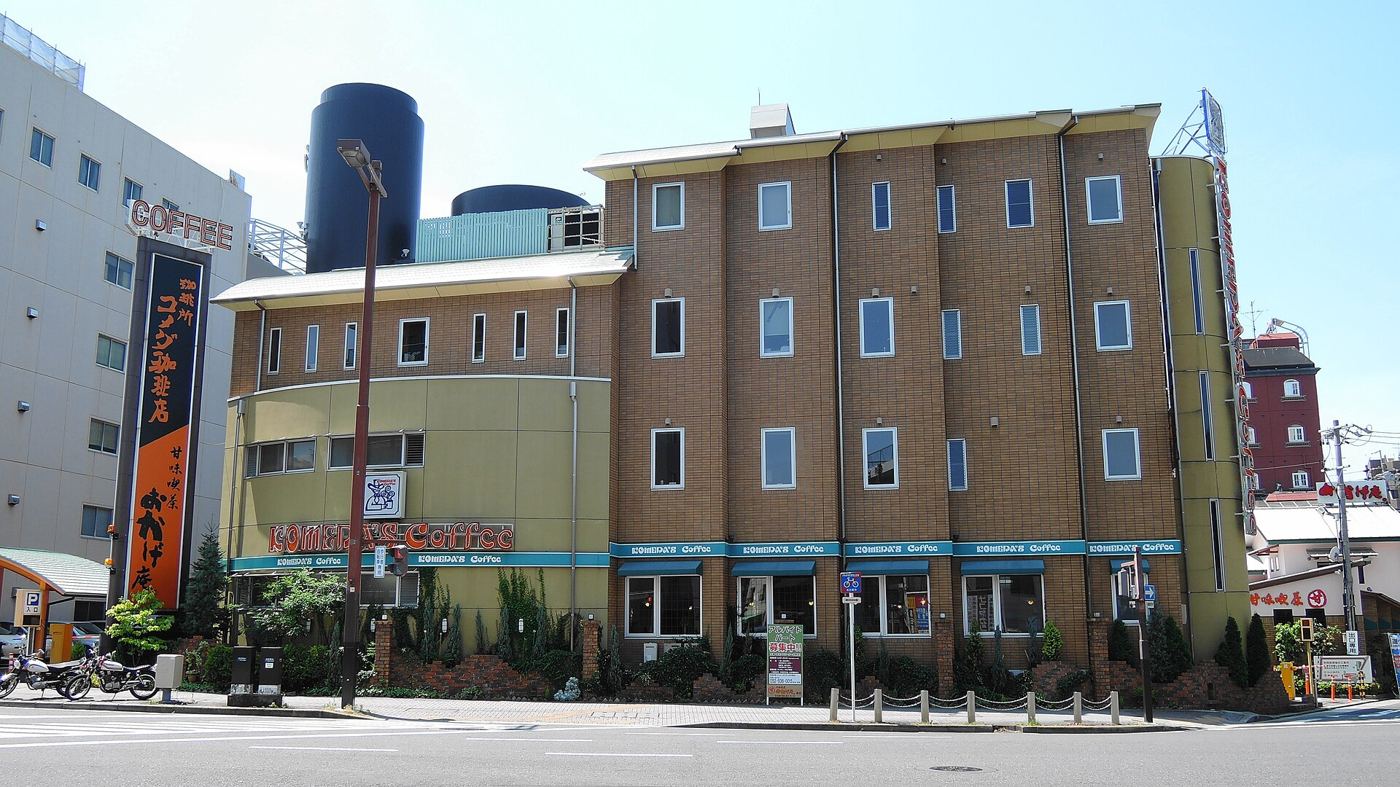
Not everyone who wants to own a business wants to invent one. Between the employee and the founder stands the franchisee — owner of a local business, tenant of a national brand — and the model is enjoying one of its periodic booms. Coffee, fitness, tutoring, home services, pet care: the franchise directories lengthen yearly, bought into by first-time owners who are purchasing, in effect, a head start — brand, systems, supply chain and a manual written by other people’s mistakes.
What the fee buys, and what it doesn’t
The honest arithmetic starts with the costs: an upfront franchise fee, a royalty on revenue whether profitable or not, mandated suppliers and fit-out standards. What it buys is real — instant recognition, proven pricing, training, and a failure rate that industry associations such as the International Franchise Association consistently report as far below independent start-ups. What it does not buy is the thing that decides local success anyway: the owner’s management, hiring and presence. A franchise is a business with training wheels, not autopilot.
Reading the fine print like an owner
Experienced advisers give prospective franchisees the same three instructions. Talk to existing owners — including ones who left — and ask what the brochure omits. Model the economics at seventy percent of the franchisor’s projections, and see if the business still feeds a family. And read the territory, renewal and exit clauses as if the relationship were already over, because one day it will be. Our business section maintains a due-diligence checklist distilled from owners who learned these lessons at full price.
The model’s moment
The boom’s fuel is demographic and financial: experienced employees with redundancy settlements or savings, seeking autonomy without a blank page; brands expanding without spending their own capital; lenders more comfortable with proven formats. In uncertain economies, the middle path widens. Franchising’s genius was never the burger or the gym. It is the conversion of one person’s hard-won knowledge into another person’s first day — for a fee, and increasingly, to both parties’ satisfaction.
The strongest signal in the current boom is the multi-unit operator: franchisees who succeed with one outlet and methodically acquire their fifth, becoming regional businesses in their own right. The ladder from employee to owner to small empire now has a standardised middle — and franchising is it.
Due diligence has a cultural test too: spend a day working in an existing outlet before signing anything. The romance of ownership survives contact with the mop and the rota, or it doesn’t — and it is far better to learn which before the loan than after.
Prospective owners should also price their own temperament honestly: franchising rewards operators who love systems and chafes founders who need to reinvent. Neither is superior — but they are different lives wearing the same “business owner” label, and the franchise contract lasts a decade. Choose the life first. The brand, carefully audited, comes second.
