
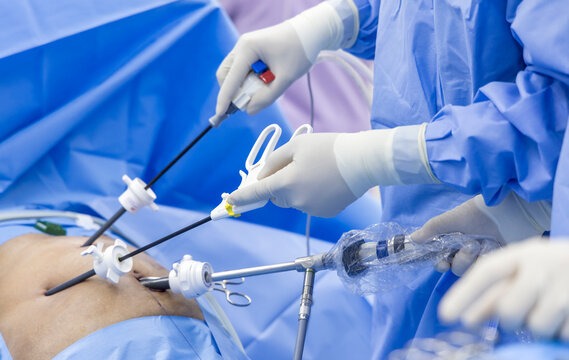
Choosing to pursue Surgical Tech Certification is one of the most direct ways to build a stable, respected, and in-demand career in healthcare without going through years of medical or nursing school. Surgical technologists are vital members of the operating room team, working side by side with surgeons, nurses, and anesthesiologists to ensure that every procedure runs smoothly and safely.
If you’re curious about what certification involves, how to qualify, and what life looks like after you’re certified, this guide will walk you through it step by step.
What Does a Surgical Technologist Actually Do?
Before you decide to invest in training and exams, it helps to understand the role itself.
A surgical technologist (often called a scrub tech or operating room tech) is responsible for:
- Preparing the operating room (OR):
Setting up sterile trays, arranging instruments, checking equipment, and ensuring that everything the surgeon might need is ready and functioning. - Maintaining a sterile field:
One of the most critical responsibilities. Surgical techs ensure that the instruments, supplies, and environment remain sterile to reduce the risk of infection. - Assisting during surgery:
Passing instruments and supplies to the surgeon, holding retractors, counting sponges and instruments, and anticipating what the surgical team will need next. - Post-operative duties:
Helping to dress wounds, manage specimens, clean and re-sterilize instruments, and prepare the OR for the next case.
It’s a hands-on, fast-paced job that requires focus, teamwork, and calm under pressure. Because of its direct impact on patient safety, employers strongly value formal training and credentials.
What Is Surgical Tech Certification?
At its core, Surgical Tech Certification is a formal validation that you have mastered the skills and knowledge required to work safely and effectively as a surgical technologist, and it’s a key step if you’re wondering how to become a surgical technologist. Instead of just taking your school’s word for it, an independent certifying body tests you with a standardized exam and, if you pass, grants you a credential recognized by employers across the country.
Typically, certification involves:
- Completing an accredited surgical technology program
- Meeting specific clinical or educational requirements
- Passing a comprehensive exam covering anatomy, sterile technique, surgical procedures, instruments, patient care, and professional ethics
- Maintaining your credential through continuing education or periodic renewal exams
Many hospitals prefer or require certified surgical techs, especially larger or more competitive facilities such as trauma centers, teaching hospitals, and specialty surgery centers.
Why Certification Matters So Much
You might wonder: “If some places still hire without certification, is it really worth the effort?” In most cases, the answer is yes—and here’s why.
1. Better job opportunities
Certified techs often get:
- First consideration for open positions
- Access to higher-level roles or specialties (orthopedic, cardiovascular, neurosurgery, etc.)
- More job mobility if you want to move to a different city or state
As more states and hospitals tighten their requirements, having a recognized credential can be the difference between being eligible and not even making it past the application screening.
2. Stronger earning potential
While pay ranges vary by region, experience, and type of facility, certification can:
- Help you negotiate a higher starting wage
- Make you a stronger candidate for raises and promotions
- Qualify you for additional responsibilities (like preceptor or team lead roles) that may come with differential pay
Even a small hourly increase adds up significantly over the course of a year or a career.
3. Proof of competence and commitment
When you sit for your Surgical Tech Certification exam, you’re demonstrating that you’ve put in the time to master the clinical knowledge, not just pass your school exams. Employers see that as a sign of professionalism, responsibility, and dedication to patient safety.
4. Confidence and trust in the OR
Knowing that you have passed a rigorous exam boosts your own confidence. Surgeons and nurses are also more likely to trust your skills and judgment when they know you’re certified, which makes teamwork smoother and reduces stress during high-pressure cases.
Eligibility: What You Need Before You Can Get Certified
The specific requirements can vary slightly depending on which certifying organization you choose, but you’ll usually need:
- A high school diploma or equivalent (GED).
This is the minimum educational foundation. - Completion of an accredited surgical technology program.
Programs are typically offered at community colleges, technical schools, or some hospitals. They may lead to a certificate, diploma, or associate degree and commonly take 12–24 months. - Clinical experience.
Most programs include hands-on training in real operating rooms, where you’ll log cases and gain practical skills under supervision. - Good standing and documentation.
You’ll need transcripts, proof of graduation, and sometimes verification of clinical hours to apply for the certification exam.
If you’re already working in the field without formal schooling (in some regions, this still happens), there may be alternate pathways that recognize on-the-job experience, though they usually come with strict documentation requirements.
Inside the Certification Exam: What to Expect
The certification exam is designed to measure your readiness to work safely and effectively from day one. While details vary, most exams:
- Are computer-based
- Include multiple-choice questions (often 175–200 questions)
- Cover key domains such as:
- Anatomy and physiology
- Microbiology and infection control
- Surgical procedures by specialty (general, OB/GYN, orthopedics, etc.)
- Instruments, equipment, and supplies
- Sterile technique and aseptic practice
- Perioperative patient care and safety
- Professional ethics and communication
- Anatomy and physiology
You’ll usually receive a pass/fail result, and in many cases a scaled score. If you don’t pass the first time, you can often retake the exam after a waiting period, though additional fees apply.
How to Prepare Effectively for the Exam
Passing isn’t just about memorizing facts; it’s about understanding how the OR works as a system and how your decisions affect patient safety in real time. To build that kind of confidence, you need smart, consistent practice, something MedicalPrep can help you with through structured question banks, realistic exam-style quizzes, and focused review tools that keep you sharp and test-ready
- Use multiple resources:
Combine your program notes, textbooks, dedicated exam prep books, and reputable online question banks. - Create a study schedule:
Break down topics into weekly goals (e.g., Week 1: anatomy and physiology; Week 2: infection control; Week 3: general surgery procedures, etc.). Consistency beats cramming. - Practice with exam-style questions:
This helps you get used to the format and timing. After each practice test, review the explanations, especially for questions you missed. - Focus on weak areas:
If you struggle with instrument identification or microbiology, schedule extra review sessions for those topics. - Study with classmates:
Quizzing each other on instruments, steps of procedures, and sterile technique can make studying more active and less boring. - Simulate the test environment:
Take a full-length practice test without distractions to build stamina and get a realistic sense of timing.
Maintaining and Renewing Your Credential
Certification isn’t a “one and done” achievement. To stay current, you’ll typically need to:
- Earn a certain number of continuing education (CE) credits over a specific period (often every 2–4 years).
- Attend workshops, in-service trainings, conferences, or complete approved online courses.
- Submit documentation and renewal fees to your certifying body on time.
This ongoing process ensures that certified techs stay up to date with advances in surgical techniques, equipment, and safety standards.
Career Paths After Getting Certified
Beyond getting hired, Surgical Tech Certification can open doors to a variety of career growth opportunities:
- Specialization:
Focus on orthopedics, cardiothoracic, neurosurgery, transplant, or pediatric surgery. Specialized skills are often in high demand and can bring higher pay. - Travel surgical tech:
Certified techs can work short-term contracts in different cities or states, usually at higher pay rates, with housing and travel stipends. - Team lead or preceptor:
Experienced techs may supervise others, coordinate supplies and schedules, or train new staff and students. - Central sterile processing or materials management:
Some techs move into roles focused on instrument sterilization, inventory, and equipment management. - Further education:
You can leverage your surgical tech background to pursue nursing, physician assistant programs, or other healthcare degrees if you decide to advance further.
Challenges and Realities of the Role
The credentials open doors, but the job itself is not easy. It’s important to be realistic:
- Physically demanding:
Long hours standing, moving patients, pushing heavy equipment, and working in lead aprons during radiologic procedures. - Emotionally intense:
You’ll be present during emergencies, trauma cases, and sometimes poor outcomes. Learning coping strategies and healthy boundaries is essential. - Irregular hours:
Rotating shifts, on-call coverage, weekends, and holidays are common—especially in facilities with 24/7 surgical services. - High accountability:
Small mistakes, like a break in sterility or a miscounted instrument, can have serious consequences. Attention to detail is non-negotiable.
Despite the challenges, many surgical technologists describe their work as deeply rewarding, especially when they see patients recover and return to their normal lives.
Final Thoughts
If you’re drawn to the operating room environment, enjoy hands-on work, and want a meaningful healthcare career without spending a decade in school, committing to Surgical Tech Certification is a strong and practical choice. It signals to employers that you take patient safety seriously, increases your employability, and helps you stand out in a competitive job market.
With the right training program, focused exam preparation, and a willingness to keep learning throughout your career, you can build a stable, respected role on the surgical team. From your first day in scrubs to the moment you confidently pass instruments across the sterile field, certification supports every step of your journey into the world of surgery.
