
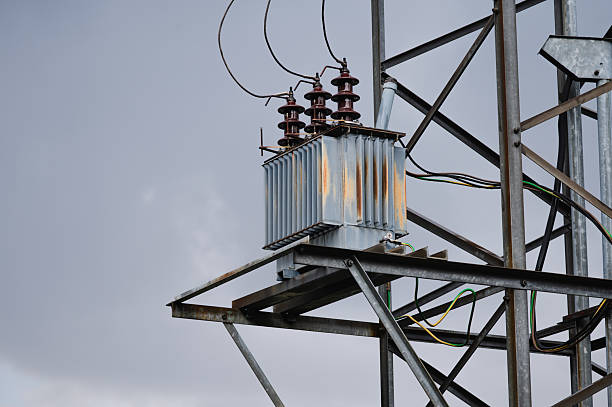
Isolation transformers play a vital role in modern electrical systems by improving safety, enhancing equipment protection, and reducing electrical noise. As industries move toward more sensitive and interconnected technologies, understanding the importance of an isolation transformer becomes essential for reliable and uninterrupted operation. This blog explores the function of isolation transformers, their contribution to safety, and how they support noise reduction across various applications.
Meta Power Solutions provides extensive insights on transformer classifications, including additional information available on their main transformer types page.
What Is an Isolation Transformer?
An isolation transformer is a specific type of electrical transformer designed to separate the primary and secondary windings. Unlike typical transformers used to adjust voltage levels, isolation transformers focus on creating electrical separation, providing a protective barrier between circuits.
How Isolation Transformers Work
Isolation transformers operate on the principle of electromagnetic induction. The primary and secondary windings do not share a direct connection; instead, energy transfers through a magnetic field. This separation helps prevent electrical faults from passing between circuits, increasing overall safety.
Why They Are Important in Modern Systems
As workplaces, industries, and hospitals rely heavily on sensitive electronic equipment, isolation becomes necessary to avoid disturbances. Isolation transformers are widely used in laboratories, medical rooms, control panels, and audio-visual equipment where consistent voltage and electrical noise reduction are critical.
Benefits of Isolation Transformers in Electrical Systems
1. Improved Electrical Safety
Protecting Against Electrical Shock
The primary function of an isolation transformer is to minimize shock hazards. Since the output side is isolated from the input, the chance of a fault directly reaching users or equipment significantly decreases.
Reducing the Risk of Ground Faults
Ground loops and unexpected voltage leakage pose serious risks in industrial settings. Isolation transformers help break these loops, preventing possible electrical accidents or system failures.
Safety remains one of the strongest reasons industries incorporate isolation transformers into their electrical setups.
2. Effective Noise Reduction
Blocking Electromagnetic Interference
Electrical noise, often caused by motors, drives, switching devices, and unstable power environments, can interfere with sensitive equipment. An isolation transformer acts as a filter that blocks unwanted disturbances from entering critical circuits.
Supporting High-Precision Equipment
Laboratory instruments, measuring systems, and medical devices require stable, clean power. Isolation transformers allow smooth operation by providing noise-free electrical input.
Protecting Communication and Audio Systems
Audio equipment, broadcasting tools, and communication systems are especially sensitive to distortion. Isolation transformers ensure clearer signals and enhanced performance by preventing interference.
3. Enhanced Equipment Longevity
Electrical noise and sudden surges can shorten equipment lifespan. High-value devices, particularly those used in industrial control rooms, laboratories, or hospitals, benefit from the additional protection an isolation transformer offers. By reducing disturbances and regulating power flow, isolation transformers contribute to longer equipment service life and fewer maintenance needs.
Applications of Isolation Transformers in Different Industries
Isolation transformers are versatile and used across multiple sectors. Their ability to improve safety and reduce electrical noise makes them suitable for several technical applications.
1. Medical and Healthcare Facilities
Medical devices such as diagnostic machines, surgical equipment, and monitoring systems require stable, isolated power sources. Isolation transformers protect patients and healthcare workers from electrical shocks and support consistent performance of essential systems.
2. Industrial Automation and Control Panels
Automation systems depend on precise, uninterrupted electrical signals. Isolation transformers protect programmable logic controllers, sensors, and control devices from disturbances caused by heavy machinery or fluctuating power loads.
3. IT and Data Centers
Servers, networking equipment, and data storage systems are vulnerable to electrical noise. Isolation transformers help maintain stable conditions, preventing data corruption or sudden shutdowns.
4. Audio-Visual and Broadcasting Equipment
Recording studios, broadcasting rooms, and communication setups rely on clean power. Isolation transformers help prevent hums, distortions, and signal disruptions that compromise audio or video quality.
How Isolation Transformers Differ from Other Electrical Transformers
An isolation transformer serves a different purpose compared to step-up or step-down varieties. While many electrical transformer types focus primarily on changing voltage levels, isolation transformers emphasize protection and noise filtering.
For a complete explanation of transformer categories, users can explore the transformer types page available on the Meta Power Solutions website. This resource provides additional insights into how various transformers function and where they are best applied.
Selecting the Right Isolation Transformer
Choosing an appropriate isolation transformer depends on several technical and operational considerations.
1. Load Requirements
Evaluate the total load capacity to ensure the transformer can handle the equipment safely and efficiently.
2. Voltage and Frequency
Isolation transformers must match the system’s voltage and frequency specifications to avoid performance issues.
3. Environmental Conditions
Industrial settings may require transformers with additional protection, such as shielding or cooling features.
4. Application-Specific Needs
Different industries may require medical-grade, industrial-grade, or noise-isolating transformer types. Carefully assessing your environment ensures the right choice.
For technical guidance or personalised assistance, users can reach out through the contact page of the Meta Power Solutions website.
Why Isolation Transformers Are Essential in Today’s Electrical Landscape
Electrical systems continue to become more complex and integrated, making safety and reliability top priorities. Isolation transformers provide a stable, noise-free, and secure electrical environment, allowing sensitive equipment to operate at optimal performance. Whether used in healthcare, manufacturing, or communication systems, they remain a cornerstone of modern electrical protection.
Meta Power Solutions continues to support industries with valuable information and expertise across various transformer types, helping professionals make informed decisions and maintain efficient electrical systems.
Conclusion
Isolation transformers play a foundational role in creating safe, stable, and interference-free electrical environments. By separating input and output circuits, they reduce the risk of electrical shock, protect against ground faults, and filter out noise that affects sensitive equipment. Their use across healthcare, industrial automation, data centres, laboratories, and audio-visual systems highlights their importance in modern electrical infrastructure.
Understanding how an isolation transformer functions allows facility managers, engineers, and technicians to make informed decisions when selecting the right protection for their systems. As electrical technology continues to evolve, the need for clean and reliable power becomes even more essential. Meta Power Solutions provides helpful resources and guidance on transformer types, supporting professionals as they work toward safer and more efficient operations. For further assistance or project-specific enquiries, users can get in touch through the contact page on the website.
