
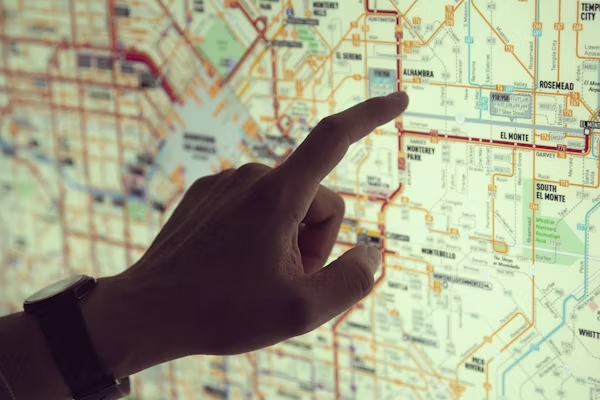
Modern architecture involves the construction of buildings that not only provide space but also functionality to the people residing in or using these buildings. This also means that people want a smooth experience in accessing the various functionality modules, as well as when moving within the buildings. So, modern architecture should cater to easy and adaptable navigation of a building by the people.
People flow planning is the need of modern architecture, as it helps to ensure that people can move in a building safely, smoothly, comfortably, and without any delays. When people flow is planned, it must be ensured that the movement of people is managed across the entire building and not only at the entry and exits.
Essentials of People Flow Planning
People flow planning needs to be done with due diligence so that it can achieve its objectives of effective people movement as well as operational efficiency of a building. Some of the key elements in planning people flow are:
- Movement Analysis
Analyzing the movement of people in the building is important to properly plan people flow. When analyzing, it is also important to understand the layout of the building space and how people move through it all-day-long. With the help of movement analysis, the planners can identify the bottlenecks in smooth movement and remove them. Moreover, this analysis helps to know the movement needs of different people and plan the space accordingly. Integrating professional insights from experts in Traffic Flow Traffic Management can further enhance building design strategies by ensuring smoother navigation patterns and reducing congestion in high-traffic areas.
- Peak Time Data
For properly planning people flow, it is also essential to know the peak time data or the time when the space is used to its maximum capacity. With this data, planners can ensure that the required steps are taken to manage the effective flow of people during rush hours. For instance, during peak hours, additional exits may be opened so that there is no hindrance to movement.
- Sign Use
When managing the flow of people across a building, planners should ensure that they use appropriate signs at the right places. The signs used should be clear and direct people to go the right way to reach their destination within a building.
- Staffing
People flow planners should also ensure that enough staff are available to guide and monitor people’s movement in a building. The staff should be well-trained in managing the traffic flow. In addition, the staff should be aware of the building layout and plan so that they can guide people in the right direction. They should also know how to use the various tools, resources, and technology provided within a building for the easy movement of people.
- Technology
The use of technology in people flow planning cannot be overlooked. Planners should make use of technology to get real-time people movement data when planning people flow. Further, when executing people flow plans, technologies, like automated people counters or queue management systems, can be provided in a building, so that the movement of people is seamless.
Benefits of People Flow Planning
People flow management offers several benefits, such as:
- No congestion in the area of the building
- Effortless navigation in the building
- Clear guidance and direction
- Improved efficiency in people flow
- Easy and quick access to different areas in a building
- Safe movement
- On-time communication in case of bottlenecks
- Quick resolution of traffic issues
To Sum It Up
People flow planning has become important in modern buildings, as it allows the smooth movement of people. Proper people flow planning in a building can ensure the avoidance of traffic congestion, accidents, and delays. It can also enhance the user experience in a building.
