
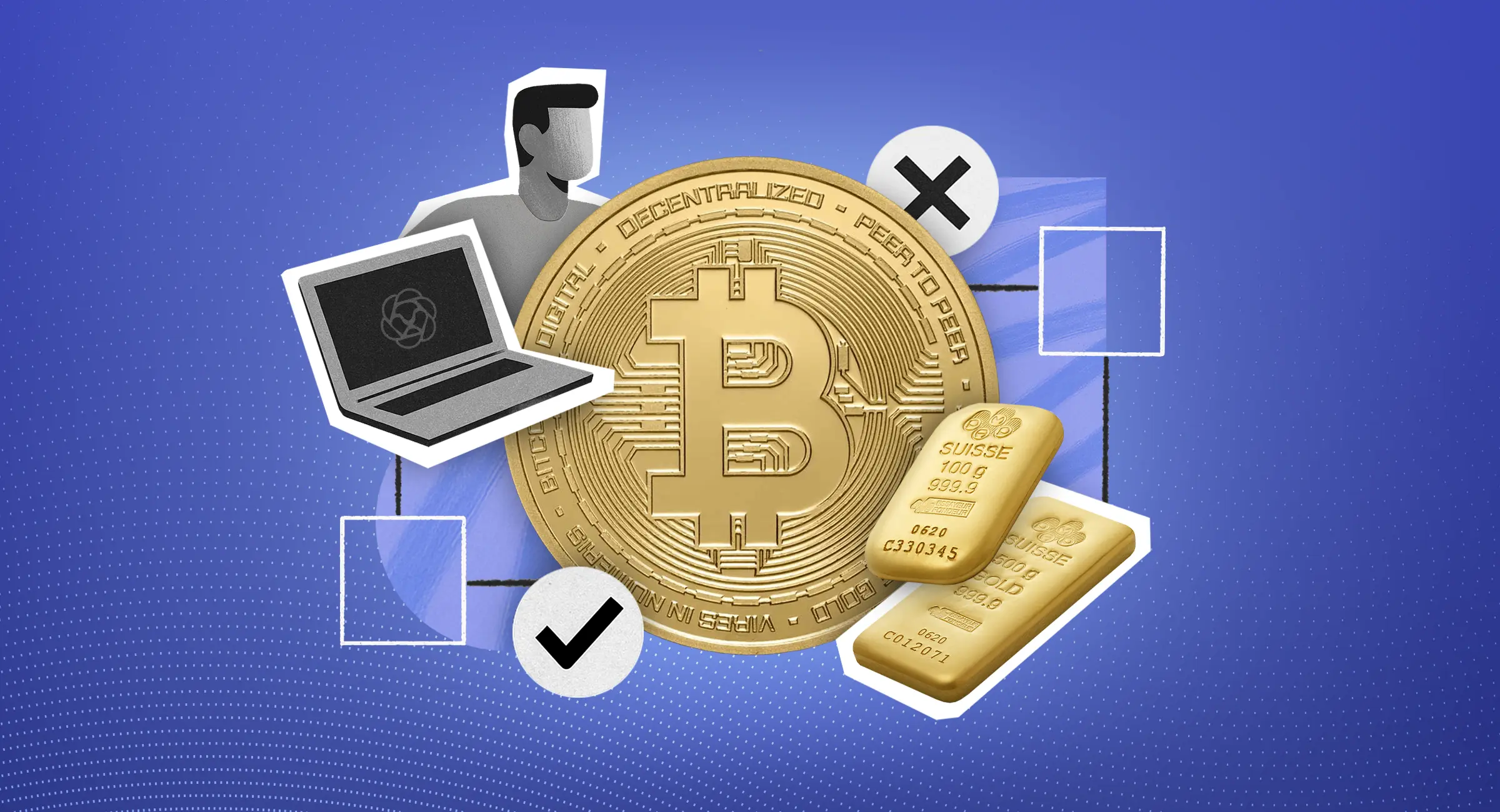
The global financial system is not only about numbers, transactions, or regulations — it is also about culture. The way people interact with money reflects their values, levels of trust, and social structures. For centuries, financial culture has been shaped by institutions: banks, governments, and centralised exchanges. Yet the rise of the P2P trading platform is beginning to challenge this dominance. It represents more than technological change; it embodies a cultural transformation where individuals reclaim control, decentralisation becomes normal, and financial trust shifts from authority to community.
The Decline of Institutional Exclusivity
In the traditional model, banks and financial institutions acted as gatekeepers. Access to finance required official approval, paperwork, and compliance with systems designed for large-scale efficiency rather than individual empowerment. This exclusivity shaped a culture where people accepted that institutions had the final word in financial matters. The P2P trading platform, however, removes these barriers. It allows anyone with a smartphone to enter global markets, bypassing intermediaries. The cultural shift is profound: participation in finance is no longer a privilege granted by institutions but a right exercised by individuals.
Trust Without Central Authority
Trust has always been the cornerstone of financial culture. Traditionally, people trusted banks because governments regulated them and because history suggested they were reliable. Yet crises, bank failures, and hidden fees have eroded that trust for many. A P2P trading platform introduces a new model: trust that is earned through reputation, escrow, and transparency. Instead of deferring to central authority, users rely on community feedback, blockchain verification, and their own vigilance. This redefines financial trust as something distributed and participatory rather than imposed from above.
The Culture of Responsibility
With freedom comes responsibility. On a P2P trading platform, users must secure their private keys, verify their partners, and recognise potential scams. This creates a cultural environment where financial literacy and personal accountability are central. It contrasts sharply with traditional banking, where responsibility is outsourced to institutions. Over time, this shift nurtures a generation that is not only more financially independent but also more cautious, proactive, and educated about the mechanics of money.
Globalisation of Local Practices
Financial culture has always been shaped by local traditions: barter in village markets, mobile money in Africa, QR codes in Asia. What the P2P trading platform does is take these practices and connect them into a global network. Local payment methods become integrated into peer-to-peer systems, allowing traders from different regions to interact seamlessly. This creates a global culture of finance that is diverse but connected, reflecting both local realities and international opportunities.
Inclusivity as a Cultural Norm
Perhaps the most striking change is the normalisation of inclusivity. In the old model, millions of people were excluded from finance simply because they lacked identification, lived far from a bank, or could not afford high fees. The P2P trading platform flips this narrative by making participation open to anyone with digital access. This inclusivity is not just a technical achievement but a cultural milestone. It redefines the very idea of who belongs in the financial system and challenges the long-standing assumption that finance is for the privileged few.
Resistance and Adaptation of Institutions
Cultural shifts rarely occur without resistance. Many banks and regulators view peer-to-peer systems with suspicion, concerned about fraud, tax evasion, or loss of control. Yet, even as institutions push back, they are also adapting. Some integrate peer-to-peer features, while others explore blockchain-based services. The very fact that traditional players feel compelled to respond demonstrates the cultural impact of the P2P trading platform. It is no longer a fringe idea but a force institutions must reckon with.
The Emergence of a New Financial Identity
For individuals, using a peer-to-peer platform changes not only how they transact but how they see themselves. A user of a P2P trading platform is not a passive customer but an active participant, a decision-maker responsible for their own financial destiny. This empowerment reshapes financial identity, giving people a sense of ownership that institutions could never provide. It creates a culture of independence that spreads beyond finance into broader social and economic life.
Looking Ahead: Culture as Infrastructure
The coming decade will likely see peer-to-peer trading become more deeply embedded in global culture. As generations grow up comfortable with decentralised systems, the P2P platform may be viewed as a natural part of financial infrastructure. What seems disruptive today will become normal tomorrow. The cultural transformation is already underway, with peer-to-peer systems embodying values of independence, transparency, and inclusivity that resonate globally.
The rise of peer-to-peer platforms shows that finance is not only evolving technologically but culturally. The P2P trading platform reflects a new era where control belongs to individuals, trust is distributed, and inclusivity is non-negotiable. It signals a global shift in how people perceive and practice finance — one that will shape economies, societies, and the future of money itself.
