
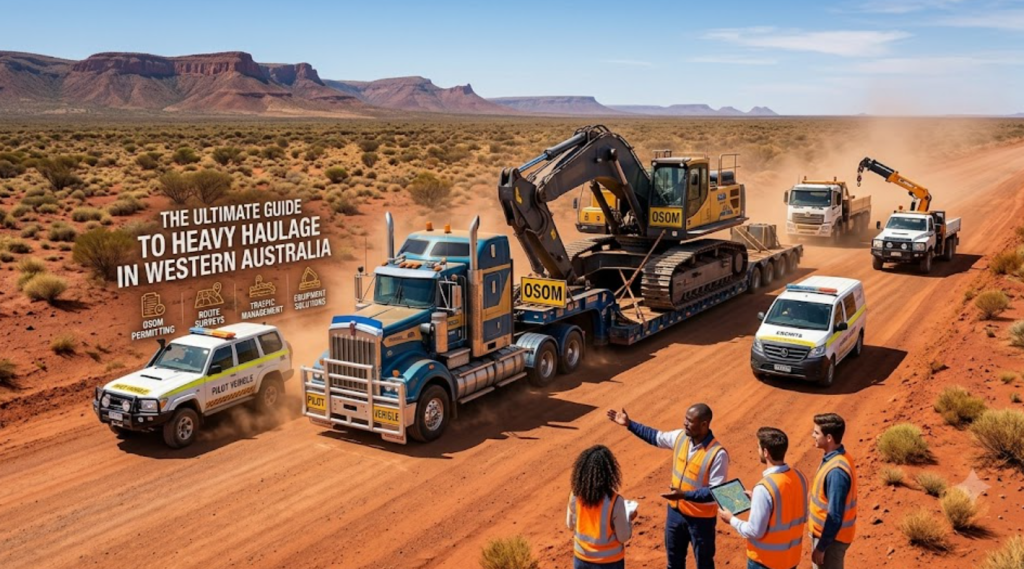
Heavy haulage in Western Australia is a fundamental part of the region’s logistics and transportation sectors. With vast distances and varied terrains, the state poses unique challenges for transport companies. Businesses in the heavy haulage industry require specialised equipment and expertise to move oversized loads safely and efficiently. As such, it is important to understand the dynamics of the industry, regulations in place, and the best practices for heavy haulage Western Australia.
Understanding Heavy Haulage
Heavy haulage refers to the transportation of oversized and overweight loads that standard vehicles cannot manage. This can encompass anything from construction equipment and mining machinery to large-scale industrial components. These movements necessitate meticulous planning and execution.
Importance in Western Australia
Western Australia, with its vast expanse and rich mineral resources, relies heavily on the heavy haulage industry. This is crucial for the mining sector, agriculture, and infrastructure development, supporting the economy by ensuring the resources and equipment are transported efficiently to various locations across the state.
Regulations and Compliance
The industry is subject to stringent regulations to ensure safety and minimise the risk of accidents. Companies must adhere to guidelines set forth by local and federal authorities. This includes acquiring special permits for oversized loads, adhering to designated routes, and ensuring vehicles meet safety standards.
Specialised Equipment and Vehicles
Heavy haulage requires a range of specialised vehicles and equipment. This includes multi-axle trailers, prime movers, and heavy-duty cranes. Each piece of equipment plays a vital role in handling different dimensions and weights of loads, ensuring stability and safety during transportation.
Challenges Faced by Heavy Haulage Companies
One of the principal challenges is navigating Western Australia’s diverse landscapes, from urban areas to remote regions. Weather conditions, road quality, and logistical constraints all add layers of complexity to haulage operations.
Safety Considerations
Safety is paramount in heavy haulage operations. Companies must implement rigorous safety protocols, including route planning, load securing, and vehicle maintenance checks. This aims to protect both the workforce and the public, minimising the risk of accidents during transportation.
Route Planning and Logistics
Effective route planning is essential in heavy haulage, particularly given the size and weight of the loads. Logistics teams must evaluate roads, bridges, and transit areas to ensure they can accommodate the load. This often involves coordinating with local authorities for traffic management and road closures.
The Role of Technology
Advancements in technology have significantly enhanced the efficiency and safety of heavy haulage. GPS tracking, real-time monitoring systems, and innovative loading solutions have streamlined operations, allowing for more precise planning and execution.
Environmental Impact
The heavy haulage industry faces increasing pressure to manage its environmental impact. Companies are exploring eco-friendly options, such as fuel-efficient vehicles and optimised routes to reduce emissions and decrease their carbon footprint.
Choosing the Right Heavy Haulage Partner
Selecting a reliable and experienced partner is crucial in the heavy haulage industry. Companies like National Heavy Haulage, known for their expertise and well-maintained fleet, are essential for ensuring safe and efficient operations across Western Australia.
Cost Considerations
The costs of heavy haulage can vary significantly based on the size, weight, and distance of the transport. Additional factors include fuel costs, permit fees, and the need for additional equipment or personnel. Accurately estimating these costs is critical for budgeting and operational planning.
Case Studies
Real-world cases offer invaluable insights into the nuances of heavy haulage. Examining previous projects, such as large-scale equipment relocations for mining operations, can illuminate best practices and innovative solutions.
The Future of Heavy Haulage
The industry is poised for growth as technological advancements continue to evolve. However, companies must remain adaptable, staying abreast of regulatory changes and market demands to maintain a competitive edge.
Conclusion
The ultimate guide to heavy haulage in Western Australia underscores the significance of the industry in supporting economic activities. With the right approach, equipment, and expertise, companies can successfully navigate the complexities of heavy transport, ensuring efficient and safe delivery of goods and resources across the state.
