
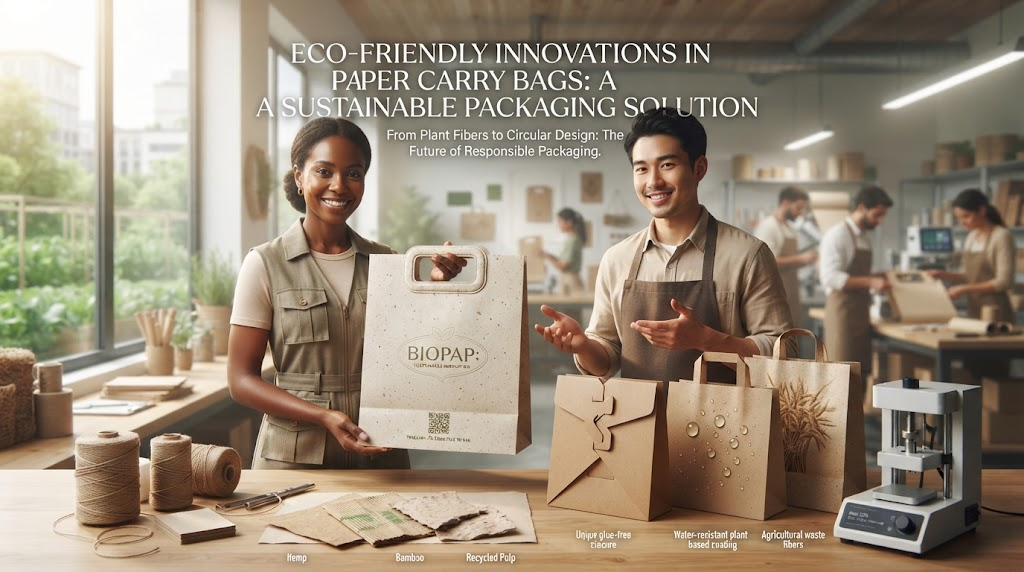
In recent years, the demand for sustainable packaging solutions has increased significantly, driven by both consumer awareness and regulatory measures aimed at reducing environmental impact. Among various eco-friendly options, paper carry bags have emerged as a preferred choice for businesses looking to minimise their carbon footprint while offering practical and attractive packaging to customers.
The Environmental Benefits of Paper Carry Bags
Paper carry bags are crafted from renewable resources, typically sourced from responsibly managed forests. Unlike plastic bags, which contribute heavily to pollution and landfill accumulation, paper bags decompose rapidly and can be recycled efficiently, reducing waste and environmental strain. This biodegradability ensures that if disposed of improperly, paper bags pose far less risk to ecosystems.
Innovations in Materials and Production
Advancements in the materials used for paper carry bags have improved their durability and functional lifespan. The development of high-strength recycled paper and the incorporation of innovative coatings ensure that paper bags can carry heavier loads without tearing. Additionally, water-based and biodegradable inks are now used in printing, further enhancing the eco-friendliness of these bags.
Design Enhancements for User Convenience
Modern paper carry bags are designed with user convenience in mind. Features such as reinforced handles, gusseted sides, and foldable structures make them both sturdy and easy to store. These design improvements not only enhance the user experience but also encourage reuse, which contributes to sustainability.
Compliance with Environmental Regulations
Governments and regulatory bodies globally have introduced legislation aimed at reducing the use of single-use plastics. Businesses adopting paper carry bags benefit from compliance with these regulations, avoiding penalties and promoting a positive brand image associated with environmental responsibility.
Manufacturing Processes Focused on Sustainability
Leading manufacturers of paper carry bags now incorporate sustainable practices in their production processes. These include the use of renewable energy sources, water recycling systems, and minimisation of chemical usage. Such practices ensure that the environmental benefits of the final product are not offset by the production footprint.
Customisation and Branding Opportunities
Paper carry bags offer excellent opportunities for customisation, allowing businesses to print logos, promotional messages, or decorative designs. This eco-friendly packaging solution serves as an effective marketing tool while reinforcing a company’s commitment to sustainability.
Cost Considerations and Economic Advantages
Although the initial cost of paper carry bags may be higher than that of plastic alternatives, the long-term benefits including increased consumer preference, avoidance of plastic-related taxes, and enhanced brand loyalty can outweigh these expenses. Furthermore, as demand rises and production scales up, the costs associated with paper bags are becoming increasingly competitive.
The Role of Consumers in Adoption
Consumer behaviour is a critical factor driving the adoption of paper carry bags. Increased environmental awareness has led customers to prefer businesses that use sustainable packaging. Educating consumers about the benefits and encouraging the reuse of paper bags furthers the impact of this green initiative.
Challenges and Limitations
Despite many advantages, paper carry bags face challenges such as susceptibility to moisture and limitations in carrying extremely heavy items. However, ongoing research is focused on mitigating these issues through enhanced materials and coatings without compromising environmental benefits.
Innovations in Coatings and Treatments
Recent innovations include the application of biodegradable coatings that provide water resistance and durability. These treatments help paper carry bags perform better in diverse conditions, making them a viable alternative to plastic bags in various industries including food delivery and retail.
Integration with Circular Economy Principles
Paper carry bags align well with circular economy principles by promoting the use of recycled materials, designing for recyclability, and encouraging reuse. Through responsible waste management and consumer participation, paper bag usage supports a reduction in resource extraction and waste generation.
Future Trends in Sustainable Packaging
The future of paper carry bags lies in continual innovation, including the use of nanotechnology, cleaner production methods, and smart packaging that can provide information or freshness indicators. These advancements are expected to further enhance the appeal and functionality of paper-based solutions.
Case Studies of Successful Implementation
Many organisations have successfully transitioned to paper carry bags, citing environmental benefits and customer satisfaction. These case studies demonstrate the feasibility of large-scale adoption and the positive impact on corporate social responsibility goals.
Conclusion: Embracing Eco-Friendly Paper Carry Bags
Eco-friendly innovations in paper carry bags represent a significant stride towards more sustainable packaging solutions. By combining environmental responsibility with practical design and manufacturing advances, paper carry bags offer a viable alternative to traditional packaging materials. Their adoption supports broader sustainability objectives while meeting the functional and economic needs of modern businesses.
