
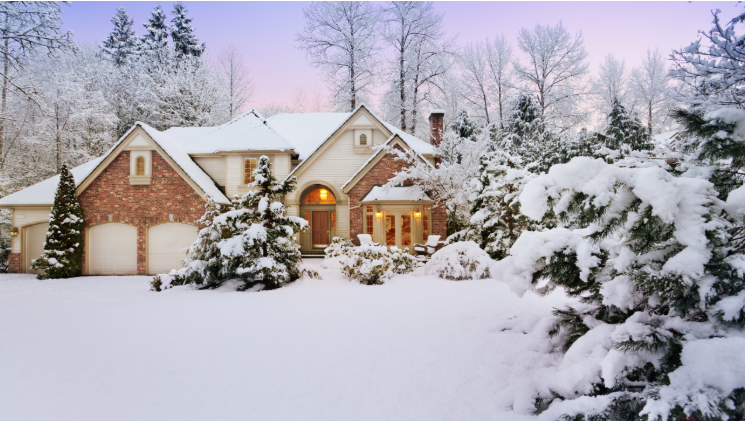
Winter weather can make even familiar parts of a property more difficult to navigate. Snow, ice, shorter days, and changing conditions can all affect how homeowners use their driveways, walkways, entrances, and outdoor spaces.
A little preparation before the first major snowfall can make snow removal easier and help keep the property organized throughout the season. It does not have to be complicated. In many cases, the most helpful steps are simply identifying areas that need attention, moving obstacles out of the way, and making sure everyone involved knows what needs to be cleared.
Walk the Property Before Winter Arrives
One of the easiest ways to prepare is to walk around the property before the weather changes.
Look at the driveway, sidewalks, front entrance, steps, pathways, gates, and any other areas that may need to be accessed after a snowfall. Pay attention to uneven surfaces, narrow sections, low spots, drainage areas, or places where snow tends to accumulate.
This is also a good opportunity to notice anything that could become difficult to see once it is covered by snow. Marking or identifying the location of landscaping features, curbs, steps, drains, or other obstacles can make winter maintenance easier.
Move Items That Could Get in the Way
Outdoor furniture, garden decorations, hoses, toys, planters, tools, and other seasonal items can become obstacles once snow begins to fall.
Putting these items away before winter weather arrives gives snow-removal equipment more room to work and reduces the chance of something being damaged or buried under snow.
Vehicles should also be considered. If a driveway needs to be cleared, knowing where vehicles will be parked can make the process much easier. When possible, homeowners should have a plan for moving vehicles so the entire driveway or other important areas can be accessed.
Keep Walkways Accessible
Walkways often receive less attention than driveways, but they are an important part of preparing a property for winter.
Think about the paths people use most often. The route from the driveway to the front door may be the obvious one, but there may also be pathways to a side entrance, garage, mailbox, shed, or other frequently used area.
Keeping these routes clear of outdoor furniture, equipment, decorations, and other obstacles gives snow removal a clear path and makes it easier to maintain the property throughout the season.
Identify Areas That Need Extra Attention
Not every part of a property handles winter weather in the same way.
Some areas may collect more snow because of their location, while others may develop ice more easily because of shade or drainage. A section near a downspout, for example, may behave differently from the rest of the driveway or walkway.
Take note of these areas before winter begins. If there are locations that consistently require extra attention, pointing them out ahead of time can help create a more effective snow-removal routine.
Think About Where Snow Will Go
Snow has to go somewhere after it is removed.
Before the first major storm, consider where snow can safely be placed without blocking entrances, walkways, drainage areas, visibility, or access to other parts of the property.
This becomes particularly important on smaller properties where there may not be many convenient places to pile snow. Having a plan ahead of time can prevent the need to move the same snow more than once.
Communicate Clearly With Your Snow-Removal Provider
If you use a professional snow-removal service, take a few minutes to explain the property and your expectations before the season begins.
Let the provider know which areas need to be cleared, where vehicles are normally parked, which entrances are most important, and whether there are any specific areas that require extra attention.
It can also be helpful to point out things that may not be obvious once the ground is covered with snow, such as landscaping features, drainage areas, retaining walls, or less visible edges of the property.
Clear communication at the beginning of the season can make each visit more straightforward and reduce confusion when the weather changes quickly.
Keep Winter Equipment Easy to Access
Even homeowners who use a snow-removal service may want to keep a few basic items available.
A shovel, ice scraper, ice melt, or other winter equipment can be useful for handling small areas between service visits or dealing with steps and entrances.
These items are much easier to find before the first storm than after several inches of snow have already arrived. Store them somewhere that is easy to access throughout the winter.
Look Ahead Before Each Storm
Once winter is underway, a quick check before a significant snowfall can make a difference.
Move vehicles if necessary, bring in anything that has been left outside, and make sure the areas that need to be cleared are accessible. If there are any changes to the property or parking arrangements, communicate them with your snow-removal provider.
Taking a few minutes to prepare can make the actual snow-removal process much more efficient.
A Little Preparation Goes a Long Way
Preparing a property for winter is mostly about knowing what you have, where everything is, and what needs to be accessible when snow arrives.
Walk the property, put away seasonal items, identify areas that need extra attention, consider where snow can be placed, and communicate clearly with anyone helping with snow removal.
Gabriel Soffer, founder and owner-operator of Gabriel’s Lawn Service GLS LLC in Pottstown, Pennsylvania, approaches snow removal as part of broader seasonal property maintenance. Every property is different, and understanding those differences before winter arrives can help homeowners keep their outdoor spaces more manageable throughout the season.
A little preparation before the first storm can save time, reduce confusion, and make winter property maintenance much easier from the start.
