
For investors new to derivatives trading, the Nifty 50 option chain may seem overwhelming. It features data on call and put, strike prices, premiums, open interest and volume. Knowing this information can help investors read the information available in an option chain and know the different positions of various option contracts around the Nifty 50 index. It’s important to note that leverage is an option and may lead to significant losses, so investors should be cautious about trading.
What Is An Option Chain?
An option chain is a table showing the option contracts available for an asset that is the underlying of the options. Typically displays contracts for various strike prices and expiration dates.
Securities, like shares, and some investment products are normally stored in a Demat Account that is joined while derivatives trading is normally done from a trading account with the required segment activation. Before beginning options trading, investors should look at their broker’s regulations.
What Is A Call Option?
Depending on its structure, a call option can provide the buyer with the right, but not the obligation, to purchase the underlying asset at a fixed price sometime before or on the day of the strike price’s expiration.
Nifty 50 options are based on the Nifty 50 index, not individual stocks. The buyer of a call is hoping that the price of the index will go up, but many other factors come into play including option premiums, time until expiration and volatility.
The buyer will pay a premium for the right to purchase. Failure to see the anticipated movement within a specified time frame can cause the option to become less valuable, or it may expire with no value.
What Is A Put Option?
A put option is an option contract that allows the buyer to sell the underlying asset at the strike price, as specified in the contract.
A buyer of a put could use the put if he thinks the underlying index is going to go down, or as a hedge. Like call options, put options have a premium and an expiry date.
The risks of option sellers vary from those of the option buyers, since the sellers of options are paid a premium and have a responsibility should the option be exercised or settled under the contract.
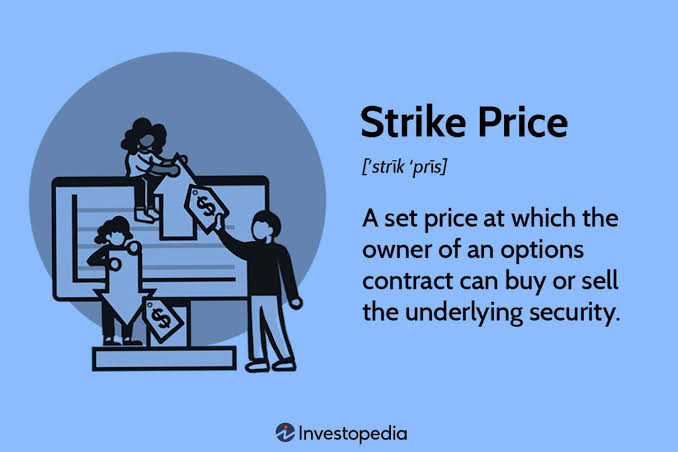
What Is A Strike Price?
The strike price is the predetermined price level associated with an option contract. Nifty 50 option chains contain multiple strike prices above and below the current index level.
For example, if the Nifty 50 is trading near 25,000, an option chain may display strikes such as 24,800, 24,900, 25,000, 25,100 and 25,200, depending on the available contracts.
What Does Premium Mean?
The premium is the price paid by the option buyer to acquire the contract. It changes continuously during market hours based on several factors.
These include the underlying index’s movement, time remaining until expiry, implied volatility and the relationship between the current index level and strike price.
What Are Open Interest And Volume?
Open interest represents the number of outstanding option contracts that remain open and have not been closed or settled. It provides information about the outstanding positions in a particular strike and expiry.
Volume, on the other hand, represents the number of contracts traded during a particular period. High volume indicates active trading, while open interest reflects outstanding positions.
These figures are different and should not be treated as interchangeable. Traders often examine both alongside price and other market information.
How To Read A Nifty 50 Option Chain
When reading an option chain, investors can first identify the expiry date and current Nifty 50 level. They can then examine the available strike prices and compare the call and put premiums.
The next step is to review volume and open interest for different strikes. These figures can show where trading activity and outstanding positions are concentrated, but they should not be interpreted as standalone signals for future market direction.
Changes in open interest, premium and volume can occur for several reasons. A complete assessment may therefore require additional market data and an understanding of the option’s pricing factors.
Before analysing a nifty 50 option chain, investors should consider the expiry date, strike price, premium, implied volatility, liquidity and applicable contract specifications. They should also understand the margin and settlement rules before entering a derivatives position.
Conclusion
The Nifty 50 option chain is a compilation of calls, puts, strike prices, premium, open interest, volume and expiry details. While understanding these components can help to make the data more intelligible, options trading has leverage and market risk components. Information about the market and trading facilities can be obtained from platforms like 5paisa and investors should make their choice according to their goals, risk appetite and knowledge about derivatives.
