
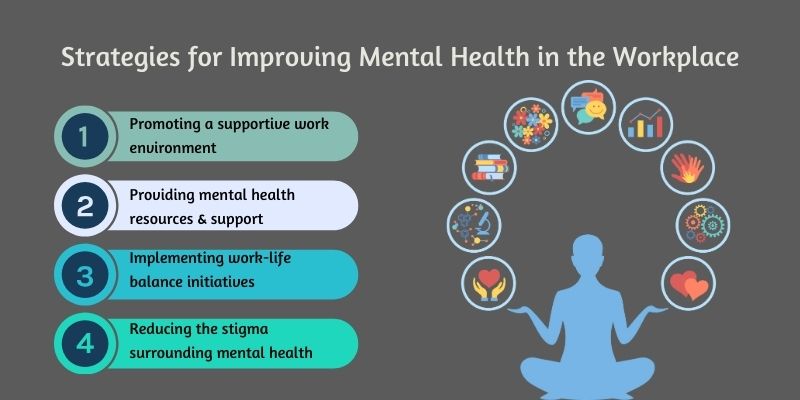
Effective corporate health management is an essential component in today’s businesses as organisations strive to improve their employees’ health and wellbeing. Integrating corporate health management practices not only contributes to a healthier and happier workforce but also enhances productivity and reduces healthcare costs.
Understanding Corporate Health Management
Corporate health management involves the implementation of health and wellness programmes and policies within a workplace to promote the physical and mental health of employees. These strategies include preventive measures, health education, lifestyle coaching, and intervention plans that aim to support employee wellbeing both in their professional and personal lives.
The Importance of Workplace Wellbeing
A focus on workplace wellbeing can significantly impact a company’s success. Healthy employees tend to be more productive, exhibit lower absenteeism rates, and demonstrate higher job satisfaction. This, in turn, contributes to a more positive workplace culture and can help attract and retain top talent.
Benefits of Corporate Health Management Initiatives
Implementing corporate health management initiatives offers numerous benefits to both employees and employers. These include improved employee morale, reduced healthcare expenses, increased productivity, and enhanced company reputation. Furthermore, these initiatives foster a sense of community and support within the workplace.
Strategies for Enhancing Workplace Wellbeing
Several strategies can be employed to enhance workplace wellbeing. These strategies should be tailored to meet the unique needs of the organisation and its employees. Key strategies include regular health checks, stress management workshops, and physical activity programmes.
Regular Health Assessments
Conducting regular health assessments can help both employers and employees understand health risk factors and prevent potential health issues. These assessments provide valuable data that can inform targeted health interventions and policies.
Stress Management Workshops
Stress is a common issue within many workplaces. Offering stress management workshops can equip employees with techniques to manage stress effectively, promoting mental health and resilience across the workforce.
Physical Activity Programmes
Incorporating physical activity programmes in the workplace encourages healthier lifestyles among employees. Initiatives can include on-site fitness classes, walking meetings, or partnerships with local gyms to provide discounted memberships.
Creating a Supportive Environment
Creating a supportive environment is crucial for the success of corporate health management programmes. Managers and leaders must foster an inclusive culture where employees feel encouraged to participate in health and wellness activities.
Leadership Involvement
Leadership involvement is key to ensuring the success of health management strategies. Leaders should actively participate in health programmes and promote a culture of wellbeing by setting a positive example.
Employee Engagement
Engaging employees in the planning and implementation of health strategies increases their effectiveness. Encouraging feedback and involvement can lead to more successful adoption of health initiatives.
Evaluating the Success of Health Management Strategies
It is important to evaluate the effectiveness of corporate health management strategies regularly. This can be done by tracking key performance indicators such as employee health metrics, participation rates, and overall job satisfaction.
Feedback Mechanisms
Implementing feedback mechanisms allows organisations to collect insights from employees regarding the success of health initiatives and identify areas for improvement.
Continuous Improvement
Organisations should aim for continuous improvement in their corporate health management strategies. Regular updates and revisions to programmes ensure they remain relevant and effective in promoting employee wellbeing.
In conclusion, effective corporate health management plays a critical role in enhancing workplace wellbeing. By implementing strategic health initiatives and fostering a supportive environment, companies can ensure a healthier, more engaged, and productive workforce.
