
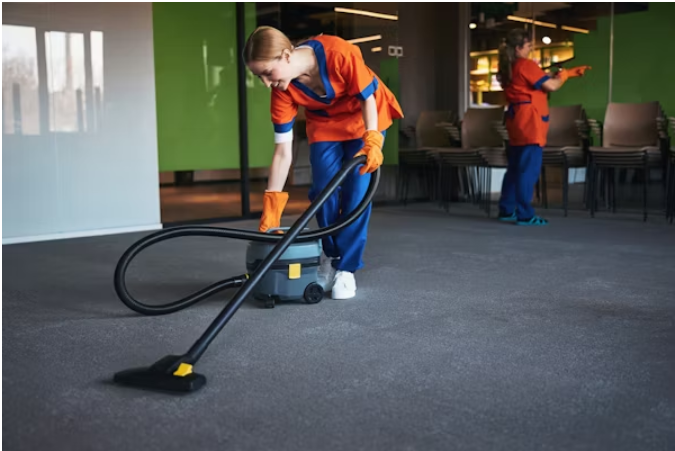
Commercial carpets take a beating every single day. Foot traffic, spills, and ground-in debris work together quietly, wearing the fibres down faster than most property managers realise. The real cost is not the cleaning — it is the early replacement. Understanding how proper maintenance slows that process can save a business thousands of dollars over the life of its flooring.
Finding cheap carpet cleaning Auckland services that genuinely deliver results is possible — and for commercial properties, it is one of the smartest maintenance decisions a business can make. Regular professional cleaning removes the embedded grit and residue that wears fibres down from the inside, keeping carpets healthier, fresher underfoot, and lasting years longer than flooring that only gets surface attention. The right service at the right price protects both the carpet and the budget over the lifetime.
What Is Actually Happening Beneath Your Feet
How Dirt Becomes Structural Damage: Every step pushes soil particles deeper into the carpet pile. Over time, those particles act like sandpaper against the fibres, cutting and fraying them from the inside out. The damage is invisible at first. Then one day the carpet looks dull and worn even after vacuuming, and no amount of surface treatment brings it back. That is not a cleaning problem — it is a structural one.
The Compounding Effect of Spills and Humidity: Liquid spills that are not treated promptly seep into the backing layer and attract more grit. In Auckland’s humid climate, this accelerates abrasive soiling, a process where sticky residue binds with particles and each footfall grinds the mixture further in. Entry zones and corridors show the worst of it. Surface vacuuming manages it temporarily, but only professional extraction removes what is already embedded.
The Real Maths Behind Premature Replacement
Why Maintenance Beats Replacement Every Time: Replacing commercial carpet in a mid-sized office or retail space can run into tens of thousands of dollars once materials, labour, and business disruption are factored in. Regular professional cleaning, perhaps twice a year for high-traffic zones, costs a fraction of that. Properties following a consistent maintenance schedule often get eight to twelve years from their carpet. Neglected ones sometimes need replacing in four.
What Manufacturer Warranties Actually Require: Most commercial carpet manufacturers include maintenance clauses in their warranties. Documented proof of regular professional cleaning is often required to make a valid claim. Skipping regular service does not just wear the carpet faster — it can void the warranty entirely. That is a double loss many businesses discover only when it is too late, and no amount of retroactive cleaning fixes the situation.
Deep-Cleaning Techniques That Preserve Fibres From the Inside Out
The Method That Reaches What Vacuums Cannot: Professional deep-cleaning relies on hot water extraction to flush out particles sitting far below the surface. The process injects heated water and cleaning solution under pressure, then immediately extracts it along with dissolved soiling. Rental machines and domestic cleaners cannot replicate this. The difference in residue removal is significant — less residue means less re-soiling between services, and fibres that last considerably longer as a result.
Stain Protector Applications That Hold Between Cleans: Post-cleaning stain protector treatments restore the factory-applied barrier that wears away with use. Applied correctly after a deep clean, these treatments give fibres a protective coating that repels liquid and slows soiling. It makes a visible difference in how a carpet looks six months after a professional service, compared with one that skipped this step and is already looking flat and grimy again.
Building a Routine That Keeps Commercial Flooring Looking Sharp
Vacuuming Schedules That Match Real Traffic Levels: Daily vacuuming in entry areas and busy corridors removes loose soil before it gets worked deeper into the pile. Lower-traffic zones can be managed three times a week. The key is consistency — irregular vacuuming allows build-up, and once grit is embedded, no standard vacuum shifts it. Adjusting the schedule to zone usage is a simple change that extends cleaning intervals and reduces professional service costs.
Practical Steps for Combining Routine and Professional Care:
- Vacuum entry zones and corridors daily to remove abrasive surface soil before foot traffic works it further into carpet fibres.
- Treat spills immediately with a clean cloth and blot rather than rub, preventing liquid from penetrating the carpet backing layer.
- Schedule professional extraction cleans at least twice yearly for high-traffic commercial areas and annually in lighter-use zones.
- Request a post-clean stain protector application to restore the fibre barrier and slow re-soiling between professional services.
- Keep a maintenance log with service dates and methods to support warranty claims and any health and safety compliance requirements.
Matching Service Frequency to Real Usage Patterns: A reception area in a busy commercial building needs more attention than a back office. Mapping carpet zones by traffic level and adjusting cleaning frequency accordingly is a strategy many businesses overlook. A professional assessment of the space and a recommended schedule costs nothing to request — and often identifies problem areas before visible damage makes full replacement the only option left on the table.
Protect What You Have Paid For Before It Is Too Late
Every month without a proper maintenance plan is another month of avoidable wear on a significant business asset. Regular professional carpet cleaning delivers lower replacement costs, better-looking premises, and warranty coverage that holds up when it matters. If your flooring is overdue for a deep-clean or there is uncertainty about the right schedule for your space, contact a certified carpet cleaning specialist today for a free assessment and tailored maintenance plan.
