
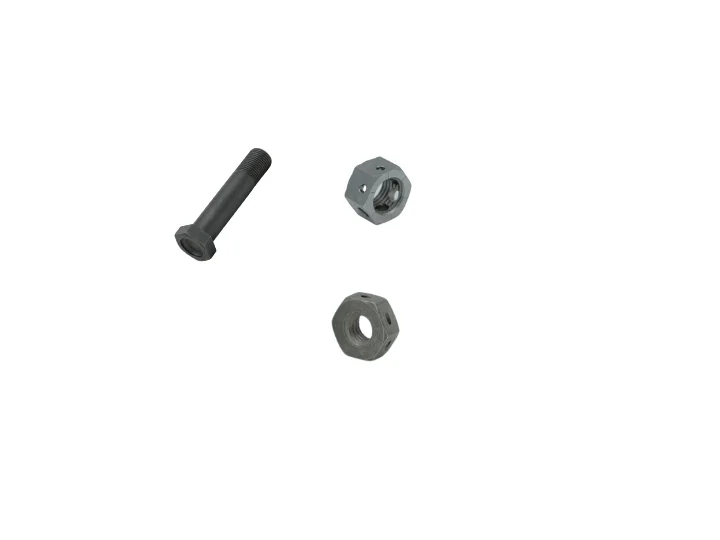
Aircraft structures depend on thousands of fastening points that quietly hold everything together while a plane climbs and later descends. Each joint carries heavy load and resists fatigue across a long operational life. When those connections behave as designed, stability stays intact through demanding flight conditions and shifting weather across busy routes.
Behind every safe airframe sits a supply network that few passengers ever notice. Aerospace components suppliers with proven engineering depth give aircraft builders dependable parts that meet strict airworthiness standards and shorten approval timelines. This kind of support reduces costly delays and helps design teams trust each fastener long before a finished wing ever leaves the busy assembly bay.
When Small Flaws Travel All The Way To The Sky
Hidden Defects Carry Real Consequences: A fastener that looks acceptable can still hide thread irregularities, weak plating, or uneven hardness from a rushed process. Such flaws rarely show on day one. They surface later as loosening joints or fatigue cracks, and by then the cost of inspection and rework has already climbed well beyond the original part price.
Tolerances Decide The Margin Of Safety: Aerospace joints work within tight dimensional limits, and tight limits demand disciplined precision engineering at every stage. A few microns of deviation can change how a clamp load settles or how stress spreads through a panel. Manufacturers who respect these limits protect the slim safety margins that keep an airframe predictable under pressure.
Experience Earns Its Place On Every Flight
Repeatable Quality Comes From Discipline: Skilled manufacturers refine each production cycle through careful measurement and steady correction rather than guesswork. They track tool wear and batch variation so that part ten thousand behaves like part one. That consistency matters, because aircraft fleets need fasteners that respond the same way across years of repeated maintenance and overhaul.
Material Knowledge Shapes Long Life: Choosing titanium, high-grade steel, or a specialist alloy for the right joint takes hard-won judgement. Experienced makers understand how each metal reacts to heat treatment and to the galvanic contact and cyclic loads of flight. That understanding helps them recommend fasteners that resist corrosion and fatigue, so your assemblies hold their strength far longer in service.
Strong Joints Begin At The Source
Process Control Starts With The Raw Bar: Quality is set long before a thread is ever cut. Careful suppliers verify incoming alloy stock and reject any material that drifts outside specification after a chemistry check. Catching a problem at the bar stage stops a flawed metal from ever reaching a finished fastener, which saves enormous trouble downstream in the build.
Testing Turns Doubt Into Proof: Sample checks alone leave too much to chance on critical hardware. Thorough makers run tensile pulls, hardness sweeps, and dimensional scans across each batch so weaknesses surface in the lab, not on the runway. You receive parts backed by data, and that data quietly removes the guesswork from your own quality sign-off.
Signs A Supplier Can Handle Aviation Work
Capabilities Worth Checking Before You Commit: Before you place an order, look closely at how a supplier proves its competence. The strongest partners show evidence rather than claims, and they welcome scrutiny of their methods. A short checklist helps you separate genuine aerospace capability from general workshops that simply hope to win the contract.
- Certified quality systems such as AS9100 that govern traceability from raw bar to finished fastener.
- In-house testing for tensile strength, hardness, and thread integrity rather than reliance on outside labs alone.
- Documented material certificates that confirm alloy grade, melt source, and full chemical composition.
- Controlled heat treatment and plating processes that protect against hydrogen embrittlement and early corrosion.
- A track record with airframe and engine programmes that demand proven reliability under audit.
Documentation Tells The Real Story: Paperwork might seem dull next to the hardware, yet it carries the proof an auditor needs. Complete records let an inspector trace a single bolt back to its melt and machine. When that trail stays clear, you spend less time chasing answers during a recall and more time keeping aircraft flying.
The True Price Of Cutting Corners
Cheap Parts Can Cost A Fortune: A lower quote looks attractive on a spreadsheet until a substandard batch grounds an aircraft. Unplanned downtime drains revenue fast, and emergency replacements rarely arrive cheap. The savings vanish the moment a fleet sits idle waiting for parts that should have been right the first time around.
Reliability Protects Your Reputation: Operators remember which builders deliver trouble-free aircraft, and they remember the ones that did not. Strong fastener quality feeds directly into despatch reliability and customer confidence. When components perform exactly as promised, your brand earns the quiet trust that wins repeat orders and long-term programme partnerships.
Building Confidence Into Every Joint
Strong aerospace structures begin long before assembly, in the hands of makers who treat each fastener as a safety promise. The right manufacturing partner turns tight tolerances and tested materials into parts you can fly with certainty. Choose that expertise now, and give your next airframe the durable foundation it truly deserves.
