
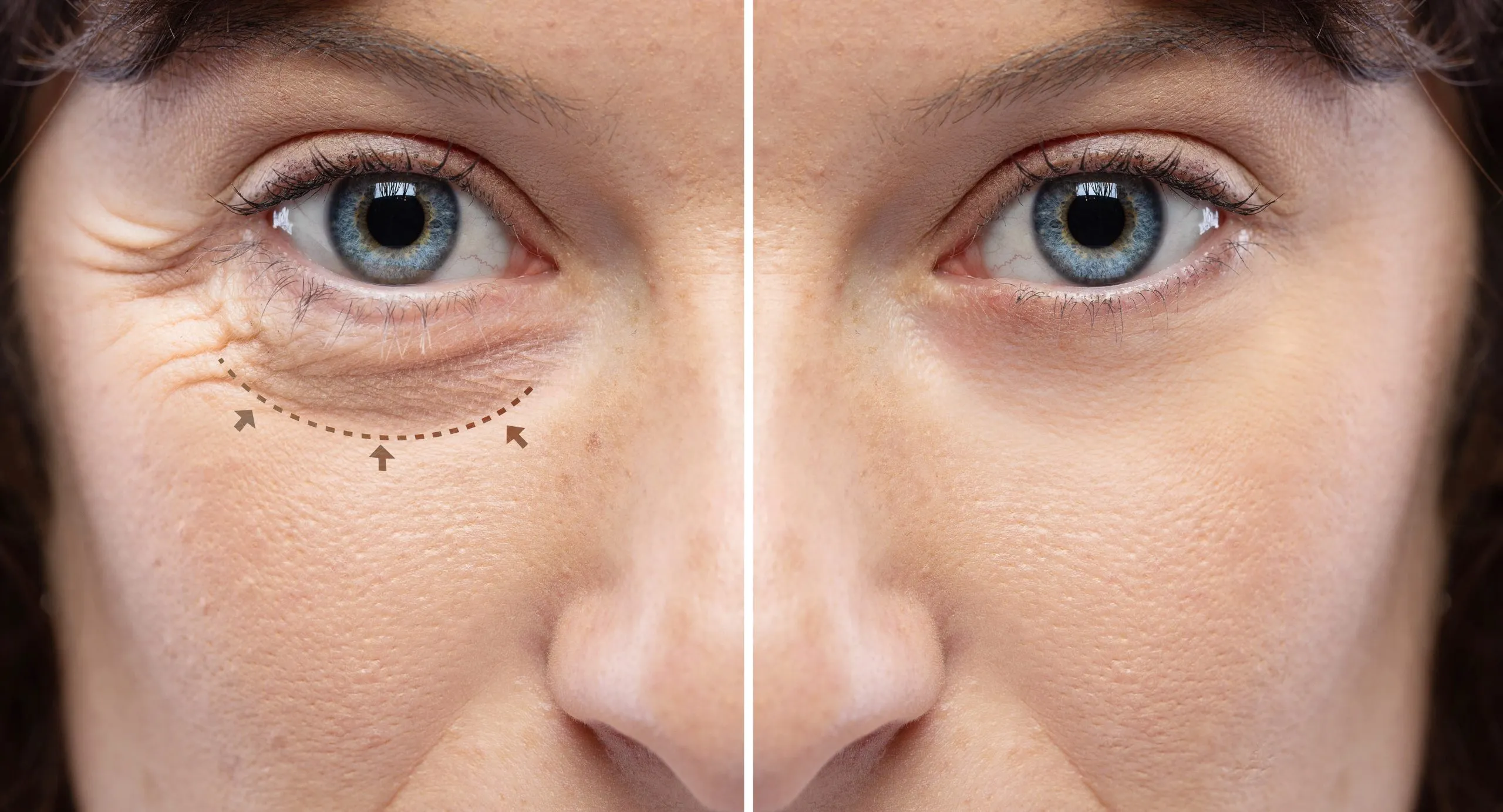
Eye bags, the puffy under-eye areas that make you look tired or older than you feel, are a common concern for many adults. While occasional swelling after lack of sleep is normal, persistent eye bags often result from aging, fluid retention, genetics, and lifestyle factors.
The good news? Effective treatment to remove eye bags exists, and you have options — from surgical procedures to non-invasive solutions. Understanding the differences between these approaches can help you choose the method that best suits your goals, lifestyle, and comfort level.
Understanding Eye Bags
Before deciding on treatment, it’s important to understand why eye bags form. The skin under the eyes is thin and delicate, and over time:
- Fat pads under the eyes may descend or bulge, creating puffiness.
- Collagen and elastin decline, leading to sagging and laxity.
- Fluid retention from poor sleep, high salt intake, or allergies can temporarily worsen puffiness.
Genetics also play a role — some people are naturally predisposed to under-eye puffiness. Knowing the underlying cause helps determine which treatment will be most effective.
Surgical Treatment: Blepharoplasty
Blepharoplasty
commonly known as eyelid surgery, is the most definitive treatment to remove eye bags. This procedure involves:
- Removing or repositioning fat pads to reduce puffiness.
- Tightening loose skin and muscles under the eyes.
- Sometimes combining with upper eyelid surgery for a full rejuvenation.
Pros of Surgical Treatment:
- Immediate and long-lasting results.
- Can address both fat and loose skin.
- Dramatic improvement in overall eye appearance.
Cons of Surgical Treatment:
- Requires anesthesia and a recovery period of 1–2 weeks.
- Risks include swelling, bruising, and, in rare cases, complications like dry eyes.
- Higher cost compared to non-invasive options.
Surgery is ideal for those with pronounced eye bags or sagging skin who want permanent results and are willing to undergo downtime.
Non-Surgical Treatment: Fillers and Skin Tightening
For mild to moderate eye bags, non-invasive options are increasingly popular. These include:
1. Dermal Fillers
Hyaluronic acid fillers can be injected into the tear trough to smooth the transition between the lower eyelid and cheek. This reduces shadows and the appearance of puffiness.
Pros:
- Quick procedure with minimal downtime.
- Immediate improvement that lasts 12–18 months.
- Non-permanent and adjustable if needed.
Cons:
- Doesn’t remove fat — only masks the appearance of hollows or shadows.
- Requires periodic maintenance.
- Risk of swelling, bruising, or uneven results if not performed by a skilled practitioner.
2. Skin Tightening Treatments
Laser therapy, radiofrequency, and microneedling stimulate collagen production, improving skin firmness and elasticity. Over time, this can reduce mild puffiness and smooth under-eye skin.
Pros:
- Non-invasive with little to no downtime.
- Improves skin texture and elasticity in addition to reducing puffiness.
Cons:
- Multiple sessions may be needed for noticeable results.
- Results are gradual and less dramatic than surgery.
Non-surgical approaches are suitable for those who want subtle improvement, prefer minimal downtime, or are not ready for surgery.
Lifestyle Approaches: Supporting Treatments
Even the best professional treatments work better when combined with lifestyle adjustments:
- Sleep and Hydration: Adequate rest and water intake prevent fluid retention.
- Diet: Reducing salt and alcohol intake minimizes temporary puffiness.
- Allergy Management: Treating underlying allergies reduces inflammation under the eyes.
- Cold Compresses: Can temporarily reduce swelling in the morning.
While these measures won’t eliminate eye bags entirely, they support professional treatments and maintain long-term results.
Comparing Surgery vs Non-Surgical Options
| Feature | Surgical (Blepharoplasty) | Non-Surgical (Fillers & Tightening) |
| Effectiveness | High, permanent | Moderate, gradual |
| Downtime | 1–2 weeks | Minimal |
| Cost | Higher | Lower |
| Risk | Higher, but rare serious complications | Lower, minor swelling/bruising |
| Ideal For | Pronounced puffiness & loose skin | Mild-to-moderate puffiness, desire for subtle improvement |
By comparing these options, you can select a treatment plan that aligns with your goals, comfort level, and lifestyle.
Managing Expectations
It’s important to understand that results vary depending on the cause and severity of eye bags. Surgical removal provides dramatic, long-lasting improvement, while non-surgical treatments offer subtle, gradual enhancement. Combining treatments — for example, fillers followed by skin tightening — can provide a natural, refreshed look without surgery.
Choose the Right Approach for Your Eyes
Eye bags can affect confidence and make you appear tired or older, but effective treatment to remove eye bags is available. Whether you choose surgery for permanent results or non-surgical options for subtle, low-downtime improvement, understanding the differences helps you make an informed decision.
A consultation with a qualified professional will identify the underlying cause, evaluate your goals, and recommend a tailored plan. By combining professional treatment with healthy lifestyle habits, you can refresh your under-eye area, restore a youthful appearance, and enjoy long-lasting confidence.
