
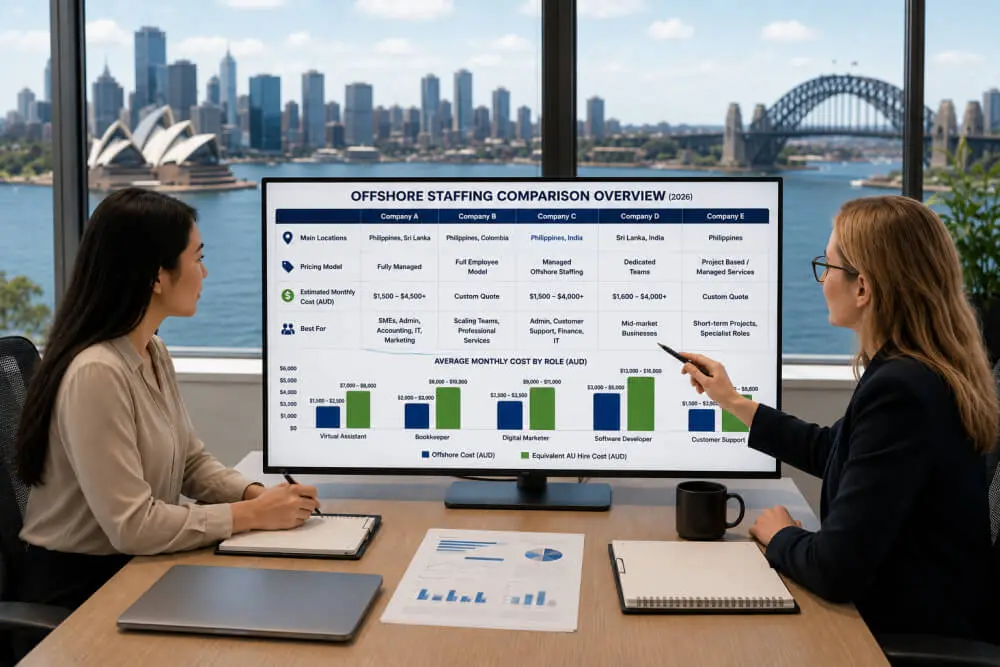
Building a team no longer means limiting your search to candidates within driving distance of a physical office. More companies are turning to offshore staffing services to access talent, reduce costs, and scale operations in ways that a purely local hiring approach often cannot support as effectively.
Why Companies Are Increasingly Considering This Option
Offshore staffing has grown well beyond its early reputation as simply a cost cutting measure. While cost savings remain a genuine factor, many companies now pursue offshore staffing specifically to access specialized skills that may be scarce or expensive within their local labor market, or to build coverage across different time zones that supports extended operational hours.
This shift in motivation reflects a broader maturation of the offshore staffing industry itself, moving from primarily basic, repetitive task outsourcing toward more sophisticated roles including software development, customer support, and specialized administrative functions.
How the Service Model Typically Works
Offshore staffing services generally connect companies with pre vetted talent located in other countries, handling much of the administrative burden involved in international hiring, including compliance with local labor laws, payroll processing, and sometimes providing physical office infrastructure in the offshore location.
This structure allows companies to access international talent without needing to establish their own legal entity or navigate unfamiliar regulatory requirements independently, significantly lowering the barrier to building an effective offshore team compared to attempting this process entirely in house.
Common Roles Filled Through Offshore Staffing

While the specific roles vary depending on company needs, offshore staffing commonly covers software development and IT support, customer service and support roles, administrative and back office functions, and increasingly specialized areas like digital marketing and content creation. The range has expanded considerably as offshore talent pools have matured and companies have grown more comfortable delegating increasingly complex responsibilities to offshore team members.
Addressing Common Concerns About Quality
A common hesitation around offshore staffing involves concerns about work quality or communication challenges compared to local hires. Reputable offshore staffing providers address this directly through rigorous vetting processes, often including skills assessments, language proficiency evaluation, and structured interview processes comparable to standard domestic hiring practices.
Companies that approach offshore staffing thoughtfully, with clear onboarding processes and realistic expectations around cultural and communication differences, often find quality concerns diminish considerably once a working relationship is established and both sides adjust to effective collaboration patterns.
Time Zone Considerations Worth Planning For
Depending on the specific offshore location, time zone differences can range from a minor scheduling consideration to a more significant factor requiring deliberate planning around overlap hours for real time collaboration. Some companies specifically choose offshore locations that provide meaningful overlap with their primary business hours, while others intentionally seek locations offering round the clock coverage through staggered shifts.
Cost Structures and What They Typically Include
Offshore staffing costs generally reflect both the direct compensation for offshore team members and the service fees charged by the staffing provider for handling recruitment, compliance, and ongoing management support. Understanding exactly what is included in a given cost structure, and comparing this against the total cost of equivalent local hiring, provides a clearer picture of genuine value beyond simple headline pricing comparisons.
Building Successful Offshore Working Relationships
Companies that see the strongest results from offshore staffing typically invest meaningfully in clear communication processes, thorough onboarding, and genuine efforts to integrate offshore team members into broader company culture, rather than treating these roles as purely transactional arrangements disconnected from the rest of the organization.
Evaluating Whether This Approach Fits Your Needs
Offshore staffing genuinely suits companies looking to access specialized skills more cost effectively, scale operations flexibly, or extend operational coverage across time zones. Companies considering this approach should evaluate their specific needs carefully, including which roles genuinely suit offshore arrangements and how much direct oversight and communication those roles will realistically require for successful long term outcomes.
