
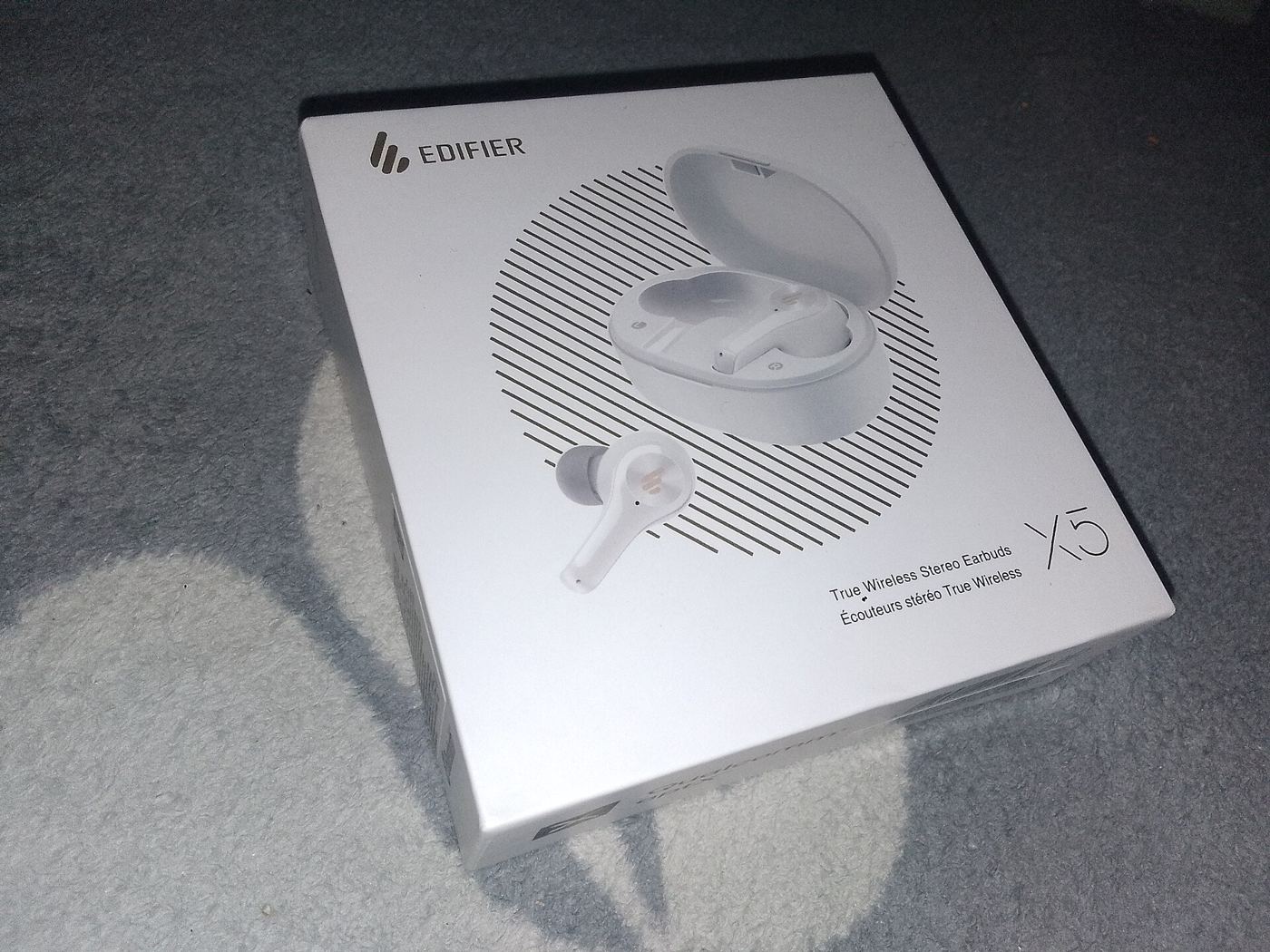
Wireless earbuds began as a convenient way to hear music without cables, but they are steadily becoming tools for communication as well. Several models can now translate a spoken conversation, playing the translated words into the wearer’s ear while a phone handles the heavier processing. Travellers use the feature to follow tour guides, ask for directions and understand announcements in unfamiliar places. The translations are not perfect, and speakers still need to talk clearly and pause between sentences, but the exchange feels far more natural than passing a phone back and forth or pointing at phrases in a book. The experience works best as a two-way exchange. One person speaks into a phone while the other listens through an earbud, then they swap roles for the reply. Market traders, taxi drivers and hotel staff in busy tourist areas have become familiar with the routine, and many say it lowers the stress on both sides of the conversation.
What the Evidence Shows
Tour operators have been quick to experiment. A guide can speak once while visitors hear the commentary in their own language through their earbuds, which keeps groups together and reduces the need for repeated explanations. Museums and city tours see similar potential for recorded and live interpretation alike. There are limits to respect, including background noise, strong accents and technical vocabulary that software may render clumsily. Battery life also shortens when translation runs continuously. Even with those caveats, the direction is clear: earbuds are evolving from simple speakers into personal listening assistants that help people understand the world immediately around them. Language teachers offer a useful warning alongside the enthusiasm: translation earbuds are an aid, not a replacement for learning. A few phrases spoken directly still build goodwill that software cannot copy. Developers agree, and are focusing on accuracy, offline language packs for places with poor signal, and clearer handling of names and numbers. Reporting and analysis from sources such as IEEE Spectrum track the same developments, and specialists following earbud live translation say the direction is now consistent across independent lines of evidence.
The Wider Context
Adoption of earbud live translation follows a familiar pattern with an unfamiliar speed. Early users tolerate rough edges in exchange for advantage, mainstream users arrive when the tool disappears into existing workflows, and the market consolidates around whoever made that transition feel effortless. Vendors are racing less on raw performance now than on integration, support and trust.
What Happens Next
The realistic forecast for earbud live translation is steady integration rather than sudden replacement: embedded in products people already use, improving in increments, and regulated in proportion to its reach. The companies and institutions that plan on that basis, training staff and redesigning processes instead of chasing launches, are the ones the adoption data tends to vindicate. You can follow related developments in our coverage of technology.
It is also worth remembering how quickly the picture in this area has changed before. Positions that looked settled a few years ago have been revised as new data arrived, and the same humility is appropriate now. The strongest coverage of this subject, and the most useful advice, tends to come from sources that update their views openly when the facts move, rather than defending an earlier position long after it has stopped fitting the evidence available.
