
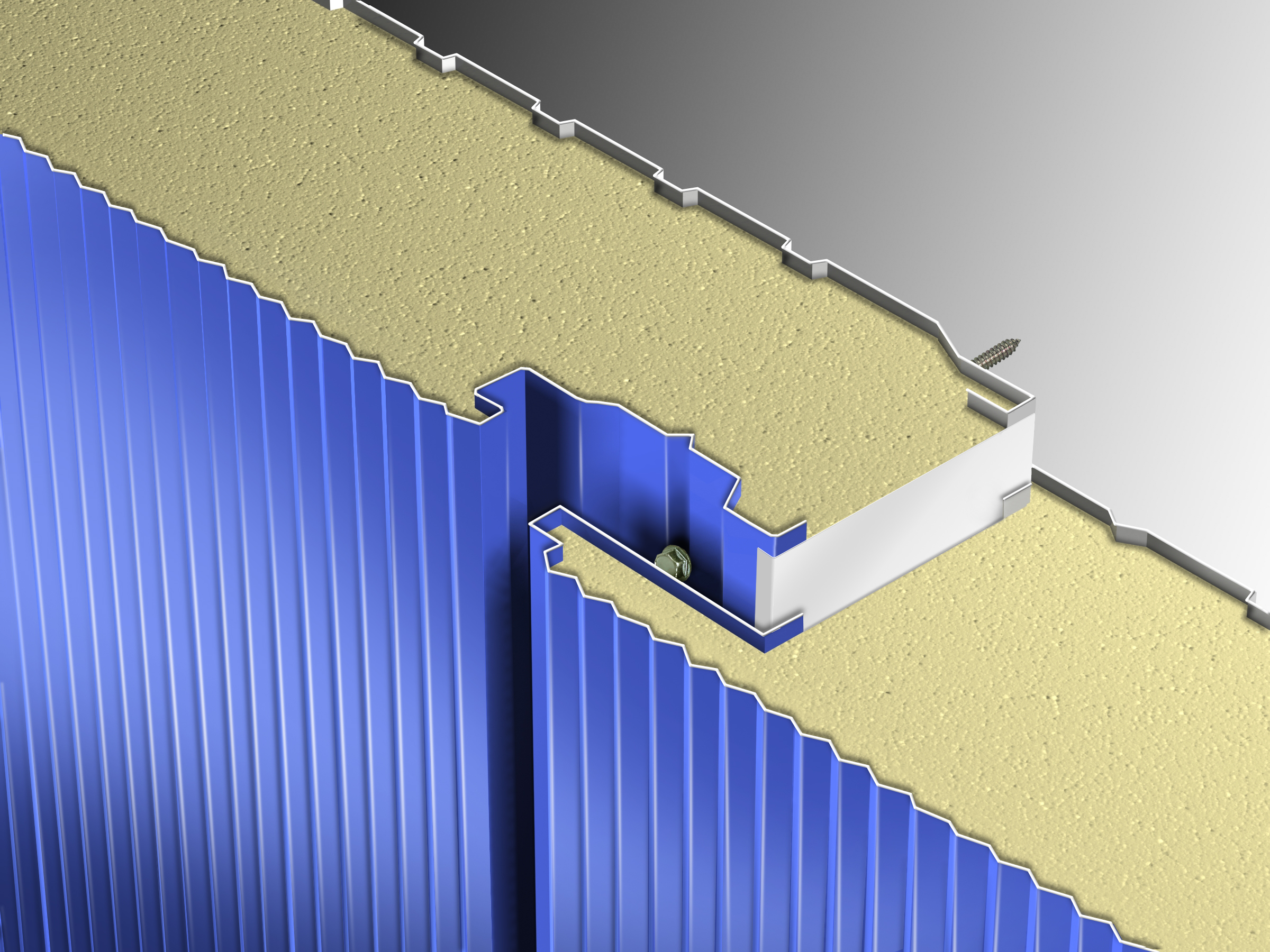
When it comes to construction and renovation projects, choosing the right materials is crucial for ensuring longevity, efficiency, and aesthetic appeal. One popular option for modern buildings is the use of insulated wall panels. These panels offer several benefits that can enhance any construction endeavour.
What are Insulated Wall Panels?
Insulated wall panels consist of a rigid foam core sandwiched between two layers of material, usually metal or composite boards. These panels are used for their thermal insulation properties, structural strength, and ease of installation. They can be utilised in various applications, including commercial, industrial, and residential buildings.
Benefits of Using Insulated Wall Panels
Insulated wall panels provide numerous advantages over traditional building materials. Here are some key benefits:
Energy Efficiency
One of the primary reasons builders opt for insulated wall panels is their excellent thermal insulation. These panels significantly reduce the transfer of heat, thereby keeping indoor environments comfortable while reducing energy consumption.
Structural Strength
Despite their lightweight nature, insulated wall panels are incredibly strong and durable. They offer excellent support and can withstand harsh weather conditions, making them a reliable choice for various applications.
Design Flexibility
These panels come in various designs, textures, and colours, offering architects and builders great flexibility in achieving desired aesthetics. They can be tailored to fit specific design needs, whether for modern or traditional architectural styles.
Easy Installation
The installation of insulated wall panels is straightforward due to their prefabricated nature. This attribute helps speed up construction timelines and reduce labour costs, making it an attractive option for many projects.
Applications of Insulated Wall Panels
The versatility of insulated wall panels makes them suitable for a wide range of applications:
Commercial Buildings
In commercial settings, these panels are often used for their aesthetic appeal and energy-saving capabilities. Offices, malls, and warehouses can benefit from their insulating properties and versatile designs.
Residential Properties
Homeowners looking to enhance energy efficiency and reduce utility bills may find insulated wall panels a worthwhile investment. These panels can be used for exterior walls, providing both insulation and visual appeal.
Industrial Facilities
In industries where temperature control is crucial, such as food storage and manufacturing plants, insulated wall panels help maintain the necessary environment efficiently.
Considerations Before Installation
Before choosing insulated wall panels, it is important to consider factors such as climate, building codes, and architectural requirements. Consulting with professionals can help determine the best type of panels for a specific project.
Climate Considerations
The effectiveness of insulated wall panels can vary based on climate conditions. Areas with extreme temperatures may benefit more due to the panels’ high thermal insulation capacity.
Compliance with Building Codes
It is essential to ensure that the selected panels comply with local building regulations and standards. Professional advice can ensure that the installation meets all necessary requirements.
Professional Guidance
Engaging with professionals for installation not only ensures compliance but also guarantees that the panels are installed to maximise their benefits.
Conclusion
Insulated wall panels are a versatile and efficient solution for modern construction needs. From energy savings to aesthetic versatility, these panels provide significant benefits and can be utilised in a multitude of settings. For anyone considering implementing insulated wall panels in their next construction project, consulting with experienced professionals can ensure that they are making the most informed decision possible.
