
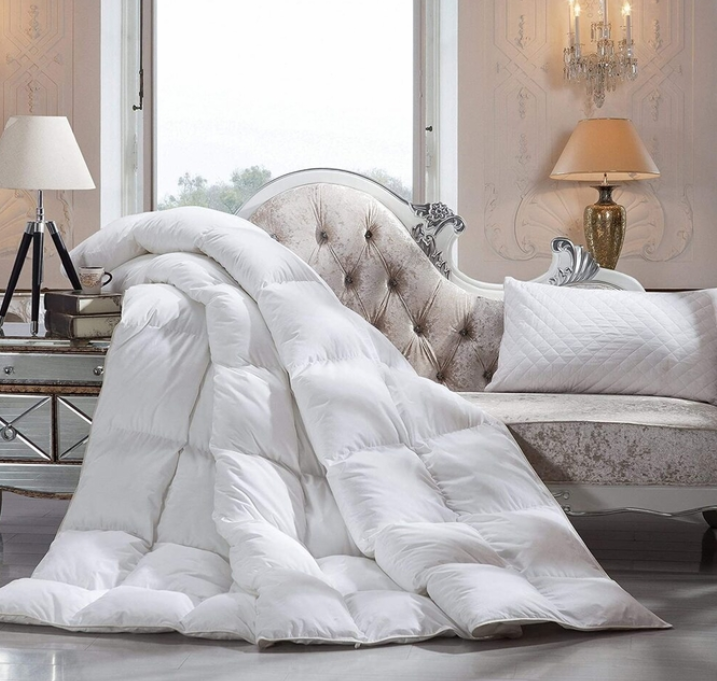
There is something almost confusing about a comforter that feels like nothing at all yet keeps you warm through the coldest nights. That contradiction sits at the heart of what makes premium down bedding so different. It is not just the softness people are chasing. It is that rare balance between weightlessness and deep, steady warmth.
When you pull a luxury down comforter over yourself, the first thing you notice is how little it actually weighs. Yet the warmth it delivers is immediate and consistent. That is not accidental. It comes from how natural down clusters trap air and build insulation without adding mass. Cheap alternatives cannot replicate this, and most people feel that difference the very first night.
When Lightness Does the Heavy Work
Fill Power Explained Simply: Fill power is a measure of how much space one ounce of down occupies. A higher number means more loft, more air pockets, and more insulation per layer. A 700-fill down comforter, for example, creates far more warmth than a lower-rated synthetic product at the same weight. That number is not just a marketing figure. It reflects real performance you can feel.
What Loft Expansion Actually Does: When down clusters expand, they trap warm air close to the body. That air becomes a natural buffer against cold temperatures. The clusters do not press down or compress under their own weight the way synthetic fiberfill does. Left alone long enough, down recovers its shape and keeps performing. Synthetic fill flattens over time, sometimes within a single season. That is the difference people eventually notice, often too late.
Why Natural Down Leaves Synthetic Fills Behind
The Warmth-to-Weight Ratio That Changes Everything: Natural down has one of the highest warmth-to-weight ratios of any bedding material. This is the reason high-altitude sleeping bags and luxury hotel bedding both rely on it. Synthetic alternatives are heavier, less breathable, and lose their loft faster. Sure, they cost less upfront, but they also underperform sooner, which means replacing them more often than anyone plans.
The Breathability Factor Worth Knowing: Down allows moisture to move away from the body. During sleep, the body produces heat and light perspiration. A comforter that traps that moisture creates discomfort, broken sleep, and a heavy, damp feeling by morning. Natural down manages this exchange quietly and naturally. Moisture-wicking insulation is one of those qualities most people only appreciate after switching from synthetic to natural fill for the first time.
The Sensory Experience You Cannot Fake
Why Floating Warmth Feels Different from Dense Layering: There is a distinct difference between a comforter that presses down on you and one that simply surrounds you. Dense layering from heavy synthetic bedding creates a kind of trapped, constricted warmth. Down does the opposite. It creates a floating sensation where warmth wraps around the body rather than sitting on top of it. That sensory difference is exactly what makes high-fill down hard to replace once experienced.
What Happens When Quality Drops: Lower fill power or poor cluster quality means the comforter compresses quickly. Once the loft collapses, the air pockets disappear and warmth drops sharply. People often assume they need more blankets when the real issue is a comforter that has lost its ability to insulate properly. Recognizing this early saves money and a lot of restless nights. Thermal loft retention determines how long a comforter continues performing the way it did on day one.
Choosing the Right Fill Power for Your Needs
Matching Fill Power to Climate:
- 450-550 fill power: A practical choice for warmer climates or those who sleep hot, offering light coverage without excess warmth.
- 600-700 fill power: A versatile range that works across most seasons and sleeping temperatures, balancing warmth and breathability well.
- 750-900 fill power: Best suited for cold climates or those who prefer maximum insulation with the least possible weight added to the bed.
- Down alternative blends: Suitable for allergy-sensitive sleepers, though they rarely match the loft or longevity of pure natural down clusters.
Understanding Thread Count’s Role: The shell fabric encasing the down matters as much as the fill itself. A tightly woven shell keeps down clusters in place and prevents feather poke-through. A shell that is too tight, though, can restrict breathability. The balance between weave density and air circulation determines how well the entire comforter performs night after night, season after season.
How Baffle Box Construction Holds It Together: Most people overlook the internal stitching pattern of a comforter, but it matters more than expected. Baffle box construction creates individual compartments that keep down evenly distributed across the entire surface. Without it, clusters shift and bunch, leaving cold spots that disrupt sleep. A well-constructed baffle box design is what separates a comforter that stays consistent from one that requires constant readjusting through the night.
Sleep Differently, Starting Tonight
Settling for a comforter that underdelivers on warmth or crushes you with its weight is one of those things people put up with longer than they should. The difference between a well-constructed down comforter and a cheap synthetic alternative is not subtle. You feel it in the first hour of sleep and again every morning when you wake up rested rather than overheated or cold. Upgrading your bedding is one of the simplest changes with the most immediate payoff. Choose fill power that matches your climate, check the shell quality, and invest in something that will last. Your sleep is worth that decision.
