
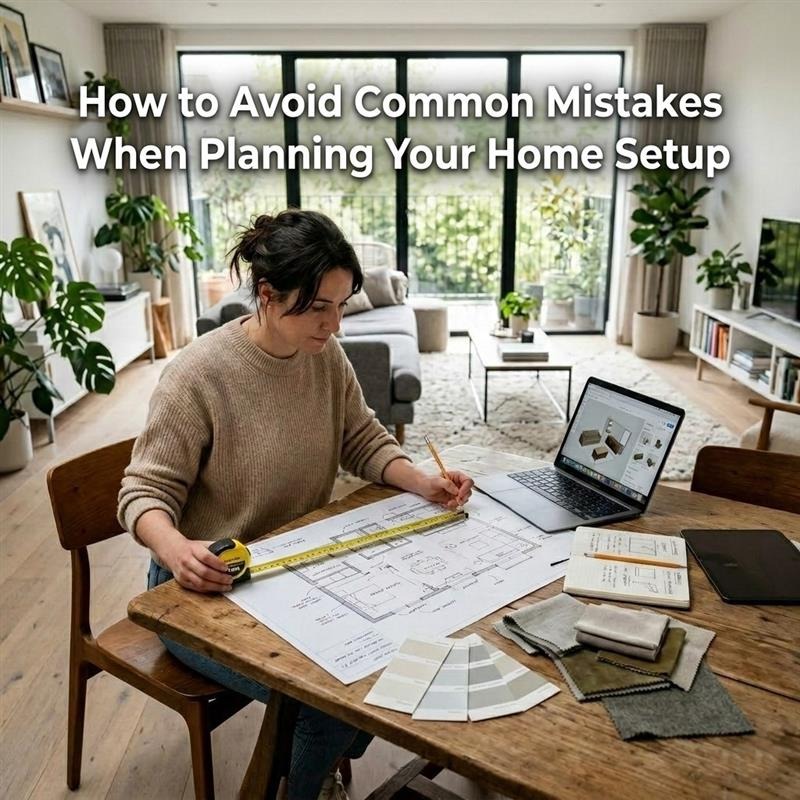
The Importance of Thoughtful Home Planning
Planning a home setup looks simple at first. Most people start by thinking about the furniture they want to buy or the way they want the house to look. But after everything is placed inside the rooms, small problems sometimes begin to appear. A chair might block the walking path, the bedroom might feel tighter than expected, or everyday items may not have a proper place.
These situations are quite common. They usually happen when decisions are made quickly without looking closely at how the space will actually be used. A home is not just about how things appear when guests visit. It is also about how comfortable it feels during normal days when people are moving around, getting ready for work, or relaxing in the evening.
This is why planning matters more than many people realize. Taking a little time to think about layout, movement, and daily habits can prevent a lot of inconvenience later.
Even small things benefit from planning. For example, placing a shoes rack near the entrance keeps footwear in one place instead of spreading across the house. In bedrooms, choosing a bed that suits the size of the room is just as important. In many homes a single cot works well because it leaves enough space for movement and other furniture.
These small decisions may seem minor in the beginning, but they slowly shape how comfortable the home feels over time.
Ignoring Room Size and Layout Proportions
One of the most frequent mistakes people make while setting up their home is not paying enough attention to the actual size of the room. Furniture often looks different in a showroom than it does inside a house.
In a store, rooms appear large and open, so even big furniture pieces look manageable. Once the same piece is brought home, the room may suddenly feel smaller. Walking around becomes slightly difficult and the space may start looking crowded.
This problem can easily be avoided with a bit of measurement before buying furniture. Knowing the dimensions of the room gives a clearer idea of how much space is available. It also helps people decide how many items can comfortably fit without making the room feel packed.
Bedrooms are a good example where proportions matter. If the bed occupies most of the floor area, the room quickly starts feeling tight. In smaller bedrooms, a single cot often becomes a sensible choice. It provides a comfortable place to sleep while still leaving enough room for a cupboard, study table, or walking space.
The goal is not to fill every corner of the room. Leaving some open space is what actually makes a room feel comfortable.
Overlooking Functionality in Furniture Selection
Another common mistake happens when people choose furniture mainly because it looks good. Appearance is important, but everyday usefulness matters just as much.
A piece of furniture might look attractive when displayed in a catalog or showroom, yet it may not suit the daily routine of the household. Over time this becomes noticeable. People may find themselves adjusting their habits around the furniture instead of the furniture helping their routine.
Think about bedrooms again. In a compact room, placing a large bed might seem impressive at first, but it can quickly make the space inconvenient. A single cot, on the other hand, often works better in such situations. It offers enough comfort while leaving room for other essential items.
Practical choices also help keep the house organized. A shoes rack is a simple example of this. When footwear has a designated place near the entrance, it becomes easier for everyone in the house to keep things tidy. Without it, shoes tend to appear in different corners of the home.
Furniture that supports everyday habits usually becomes the most useful furniture in the house.
Poor Furniture Placement and Room Flow
Even when the right furniture is chosen, its placement inside the room can still create problems. Arrangement plays a major role in how easy it is to move around the house.
If furniture blocks natural walking paths, the room may feel uncomfortable even when there is enough space. People might have to move sideways to pass through certain areas or keep shifting chairs and tables to make space.
This is why it helps to think about movement while arranging furniture. Walking from the door to the window, from the bed to the cupboard, or from the sofa to another part of the room should feel smooth.
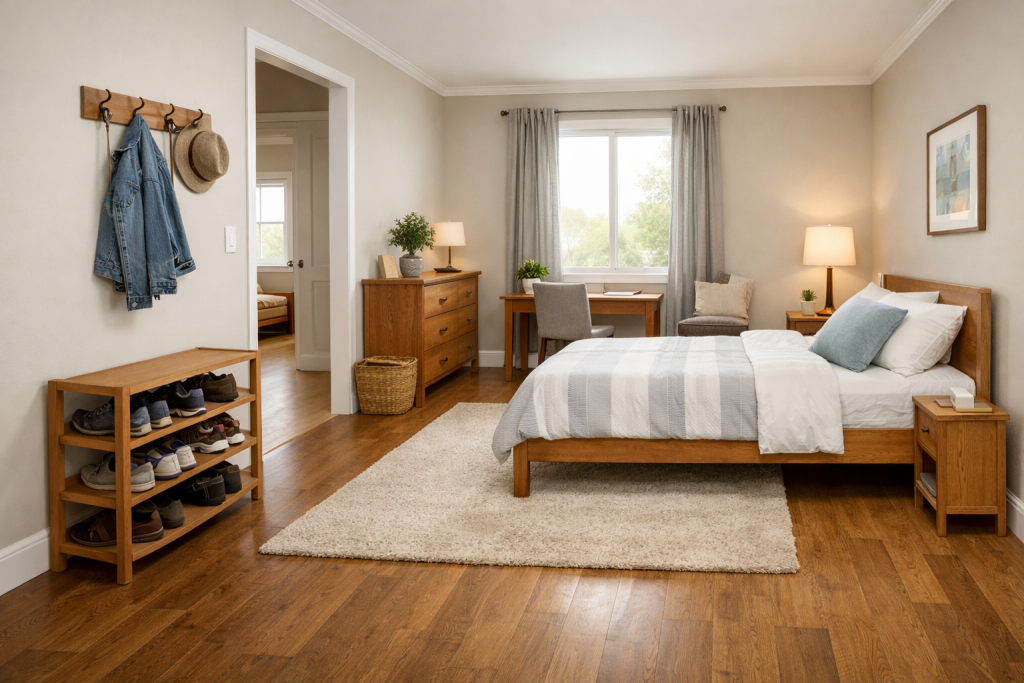
In bedrooms, the position of the bed matters more than people often expect. A single cot should be placed in a way that allows easy access while still leaving enough space to walk around it.
Small furniture pieces also require thoughtful placement. A shoes rack works best when it is placed close to the entrance where it is easy to use. If it is placed too far away, people may stop using it and shoes will slowly start appearing near the doorway again.
When furniture is arranged with movement in mind, the entire home begins to feel more comfortable.
Neglecting Lighting and Storage Needs
Lighting is another factor that sometimes receives less attention during home planning. Many houses rely only on the main ceiling light in each room. While this provides basic brightness, it may not always be enough for different activities.
Reading, working at a desk, or even relaxing in the evening often feels better with softer and more focused lighting. Table lamps or floor lamps can make certain areas more comfortable without changing the overall layout of the room.
Natural light also plays a role in how a home feels. Rooms that receive sunlight during the day usually appear more open and pleasant. Keeping windows free from large furniture helps light spread more evenly across the room.
Storage is equally important when planning a home. Without proper storage spaces, everyday items quickly begin to create clutter.
The entrance area is a common example. Without a shoes rack, footwear can easily pile up near the door. A simple rack keeps things organized and makes the entryway look cleaner.
Bedrooms also need proper storage planning. Even when using a single cot, there should still be enough space to store clothes and other belongings neatly. Otherwise the room may start feeling messy even when it is not actually small.
When both lighting and storage are considered carefully, the home becomes much easier to maintain.
Creating a Well Planned and Comfortable Home
A comfortable home rarely happens by accident. Most of the time it is the result of small but thoughtful decisions made during the planning stage.
Paying attention to room size helps prevent overcrowding. Choosing furniture that suits daily habits makes everyday life easier. Proper placement improves movement within the room and keeps the layout practical.
Lighting and storage also contribute to how organized and pleasant a home feels. Simple additions such as a shoes rack near the entrance or selecting a practical bed like a single cot can make a noticeable difference.
When homeowners slow down and plan carefully, they avoid many of the common mistakes that create inconvenience later. The result is a home that feels balanced, comfortable, and easy to live in every day.
