
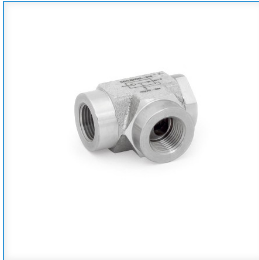
Pneumatic systems power countless industrial operations across automation lines, packaging plants, and manufacturing floors worldwide. Their performance often hinges on how efficiently spent air leaves the actuator at every single stroke. Poor exhaust management quietly erodes your machine speed, cycle consistency, and energy efficiency over time. Understanding this hidden bottleneck helps engineers protect productivity and reduce wasted compressed air.
Modern facilities increasingly rely on quick exhaust valves to maintain rapid actuator response, reduce cycle delays, and protect operational consistency across high-demand pneumatic lines. These compact components vent trapped air directly at the cylinder port, eliminating long return paths through control valves and tubing, which lifts your overall efficiency and supports faster, more reliable machine output.
Why Exhaust Speed Shapes Pneumatic Performance
Pressure Decay And Cycle Timing: When exhaust air takes too long to escape, residual back pressure builds inside the cylinder, slowing piston return and stretching every cycle noticeably. Production lines designed for tight timing begin missing daily targets steadily, especially under heavy load. Even a fractional delay per stroke multiplies into thousands of lost units over a single shift on busy assembly lines.
Energy Loss In Slow Returns: Sluggish exhaust forces compressors to work harder, since restricted ports trap energy that would otherwise convert into useful mechanical motion. That wasted air translates directly into higher electricity bills, shorter equipment lifespan, and more frequent maintenance interventions across every shift. Plants running aged tubing or undersized fittings often discover surprisingly large savings once exhaust pathways are properly engineered.
Where Sluggish Exhaust Costs The Most
Common Industrial Pain Points: Several environments suffer disproportionately when exhaust performance lags, particularly those running high-speed actuators, frequent stroke cycles, or precision-timed automation sequences across the working shift. Recognising these scenarios early helps your maintenance team plan upgrades and budget allocations before output suffers measurably or quality slips. The following situations frequently expose weak exhaust design across modern factory floors today.
- Packaging machines running thousands of cycles per hour where every millisecond shapes overall throughput.
- Pick-and-place units that demand rapid actuator retraction between consecutive picking and placing motions.
- Bottling lines where consistent valve timing keeps fill volumes accurate across high-speed production batches.
- Assembly stations using multiple cylinders that must coordinate together without any noticeable lag.
- Material handling conveyors where slow returns create downstream bottlenecks, queueing, and idle stations.
Spotting The Symptoms Early: Recognising sluggish exhaust before it cripples output saves significant cost across the plant. Operators often notice cylinders that hesitate at the end of stroke, audible whooshing that lasts too long, or rising air consumption without any clear cause. These early signs point to restricted exhaust paths, undersized ports, or improperly specified valves within the loop.
Building A Faster Pneumatic Loop
Matching Valve Capacity To Cylinder Volume: Proper sizing remains the single largest factor in achieving strong exhaust performance across your system. The valve must release compressed air at a rate compatible with the cylinder swept volume and required cycle time. Reviewing the Cv flow coefficient of every component along the discharge path reveals the real bottleneck, which is rarely the most obvious component.
Reducing Path Length And Restrictions: Mounting exhaust devices directly at the actuator port shortens the discharge journey dramatically across every cycle. Long tubing runs, sharp elbows, and undersized fittings each add resistance that compounds noticeably across the entire pneumatic system. Engineers reviewing pneumatic actuators alongside their associated exhaust hardware often uncover several inexpensive improvements that yield surprisingly large gains.
Material And Standards Considerations: Component construction matters as much as overall system layout for achieving long-term reliability under operational load. Brass and stainless steel bodies each handle different temperature, pressure, and corrosion conditions encountered across diverse process industries. Threaded connections must align with system standards, whether BSP, NPT, or metric, and parts certified to recognised pressure directives keep your route compliant abroad.
Operating Conditions That Test Exhaust Capacity
Heat Humidity And Particulate Exposure: Plant environments rarely stay ideal for pneumatic components running continuously throughout daily production cycles. Heat softens seals, humidity introduces condensate that disrupts smooth flow, and airborne particulates clog narrow internal passages over time. Selecting exhaust components rated for the actual operating environment, rather than catalogue ideal conditions, extends service intervals and protects your production schedules considerably.
Vibration And Mechanical Stress Concerns: Heavy machinery generates persistent vibration that gradually loosens fittings and stresses internal valve components beyond design limits. Repeated cycling places fatigue loads on springs, diaphragms, and elastomer seats over thousands of operating hours. Specifying components engineered for repeated dynamic loading helps you avoid premature failure, particularly within continuous-duty applications where unplanned downtime carries significant operational cost.
Sustaining Gains Across The Plant Floor
Inspection And Replacement Routines: Even well-specified exhaust components need periodic attention to maintain their original performance characteristics over continuous operation. Scheduled checks for leaks, contamination, and seal degradation catch small issues before they cascade into wider problems across connected machines. Building exhaust inspection into your existing maintenance walk-rounds adds little overhead yet protects throughput, energy efficiency, and operator confidence reliably.
Training Teams To Read The Signs: Operators stationed near machinery often detect subtle changes long before instruments register them on the dashboard. Equipping them with basic knowledge about typical exhaust behaviour, expected sound profiles, and warning indicators turns frontline staff into an early-warning network. This human layer of awareness complements any sensor-based monitoring system and shortens your response times noticeably.
Engineering Smarter Airflow For Tomorrow’s Production
Productivity gains often hide in components most teams rarely think about, and exhaust hardware sits firmly within that overlooked category. Treating air evacuation as a first-class design concern, rather than an afterthought, unlocks meaningful improvements in speed, cost, and reliability over the long term. Speak with a qualified pneumatic specialist today to evaluate your current setup.
