
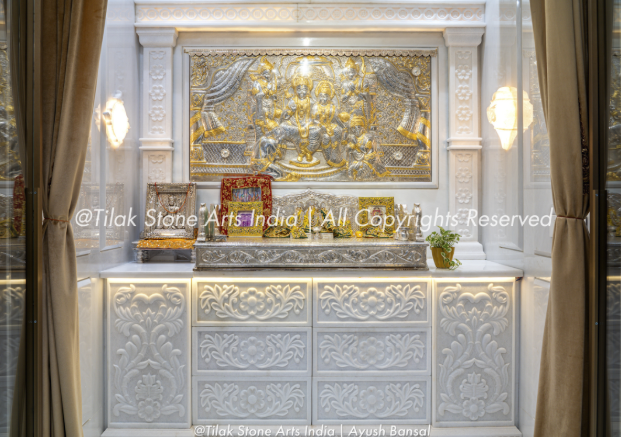
Walk into any modern home today and you’ll notice something missing. That sense of sacred space for daily praying that previous generations took for granted. People cram their prayers into tiny corners, almost apologising for their spiritual needs.
Your big temple for the home deserves better than that. It should command respect, not hide in shame. When guests enter your house, they should immediately understand that this family values tradition and creates space for the divine.
The problem starts with how we think about space. Modern homes prioritise living rooms, bedrooms, even walk-in wardrobes. But the temple gets whatever space remains. This backwards approach creates spiritual spaces that feel like afterthoughts rather than focal points.
Understanding Scale and Proportion
Size matters, but not in the way most people imagine. An imposing temple isn’t just physically large. It creates visual weight that draws attention naturally.
Your ceiling height determines everything else. Standard 9-foot ceilings allow for 7-foot temple structures with proper clearance. Higher ceilings open up dramatic possibilities with multi-tier designs and elaborate crowning elements.
Floor space requirements vary depending on your family’s worship style. Daily prayers might need minimal space, but festival celebrations require room for extended family gatherings. Plan for your busiest occasions, not your quietest moments.
Consider traffic flow around the temple. People need comfortable access from multiple angles. Cramped approaches make the temple feel unwelcoming, regardless of its actual size.
Width calculations should account for opened doors if you’re planning cabinet-style temples. Nothing looks more awkward than doors that bump into walls when fully opened.
Location Strategy That Creates Impact
Corner placement often works brilliantly for prominent temples. You gain two wall surfaces for backdrop elements whilst maintaining clear sightlines from the room’s entrance.
Central wall positioning makes a bold statement. Your temple becomes the room’s undisputed focal point. Every conversation, every gathering, naturally orients around this spiritual anchor.
East-facing orientation remains traditional, but modern homes don’t always cooperate with ancient guidelines. Work with your available space rather than forcing impractical arrangements.
Natural light enhances any temple’s presence. Position near windows when possible, but avoid direct sunlight that might damage delicate carvings or fade decorative elements.
Room selection impacts your temple’s role in daily life. Main living areas integrate worship into family routines. Dedicated prayer rooms create focused spiritual environments. Both approaches have merit depending on your lifestyle.
Material Choices That Stand the Test of Time
Vietnam White Marble continues to reign supreme for serious temple construction. Its consistent colour and grain patterns create sophisticated backdrops for deity placement and decorative carving.
The marble’s density allows for intricate detailing that remains sharp over decades. Cheaper alternatives often chip or wear down, making your investment look shabby within years rather than decades.
Marble inlay work transforms plain surfaces into artistic masterpieces. Traditional patterns like lotus motifs or geometric designs add cultural authenticity whilst showcasing superior craftsmanship.
Temperature regulation becomes crucial in larger temples. Vietnam White Marble naturally stays cool, creating comfortable environments for extended prayer sessions. This practical benefit often gets overlooked until you’re actually using the space regularly.
Maintenance requirements remain reasonable with quality marble. Regular cleaning with appropriate products keeps the surface pristine. Avoid harsh chemicals that can damage the stone’s natural properties.
Design Elements That Create Presence
Architectural features distinguish grand temples from simple shrines. Structural elements like columns, arches, and decorative panels create visual depth and traditional aesthetics.
Pillars serve both practical and aesthetic purposes. They can support upper tiers whilst adding classical temple architecture references. Even decorative pillars that don’t bear weight create impressive visual rhythm.
Multiple levels prevent your temple from appearing flat or one-dimensional. Upper tiers can house different deities or serve specific ceremonial purposes. This layered approach adds sophistication and functionality.
Jali work provides elegant solutions for ventilation whilst maintaining traditional design language. These perforated screens allow airflow around incense burning areas whilst adding intricate visual interest.
Lighting integration requires early planning. Built-in fixtures highlight specific elements like deity areas or decorative carvings. Hidden LED strips can create ambient lighting that enhances the temple’s spiritual atmosphere.
Storage planning often gets forgotten until after installation. Prayer items, seasonal decorations, and festival supplies need designated spaces. Integrated storage maintains clean lines whilst providing practical functionality.
Avoiding Expensive Mistakes
Proportion errors plague many large temple projects. People assume bigger automatically means better, creating structures that overwhelm their spaces rather than enhancing them.
Ventilation problems develop when designers ignore air circulation needs. Incense smoke, oil lamp fumes, and natural humidity require proper airflow. Poor ventilation makes even beautiful temples uncomfortable to use.
Access planning for maintenance gets overlooked frequently. High shelves, deep recesses, and intricate carvings all collect dust and require regular cleaning. Design for easy maintenance from the beginning.
Material mixing creates visual chaos when done carelessly. Stick to cohesive colour palettes and complementary textures rather than showcasing every available option in one structure.
Budget underestimation causes more project failures than any other single factor. Quality materials, skilled craftsmanship, and proper installation cost more than most people initially expect. Plan conservatively and add contingency funds.
Making Your Dream Temple a Reality
Professional consultation prevents costly errors that plague DIY temple projects. Experienced designers spot potential problems early whilst suggesting solutions based on real-world experience.
Timeline planning affects both cost and quality. Rush jobs compromise craftsmanship, whilst realistic schedules allow proper attention to detail. Plan for several weeks of installation work.
Your temple investment should enhance daily worship whilst impressing guests during special occasions. Quality construction creates family heirlooms that improve with age rather than deteriorating over time.
The right temple design transforms ordinary houses into homes where spirituality flourishes naturally and effortlessly.
