
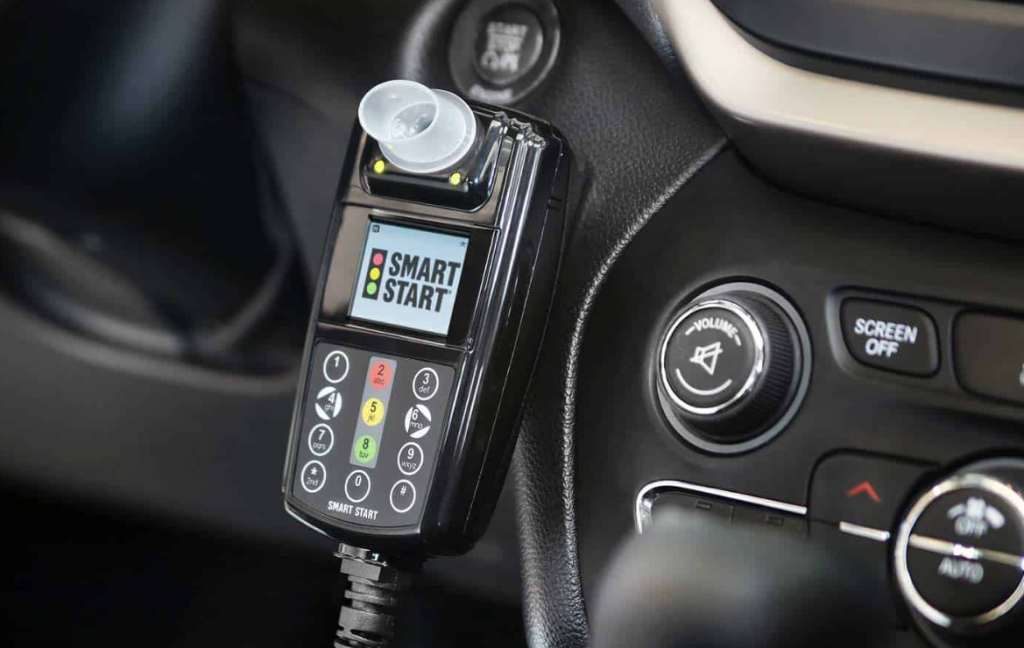
Alcohol ignition interlock devices serve as a significant tool in enhancing road safety across Australia. These devices are designed to reduce the risk of drink-driving by requiring the driver to pass a breath test before starting the vehicle. The implementation of these systems has been seen as crucial in addressing one of the leading causes of road accidents. The importance of alcohol ignition interlock programs reflects in the statistics showing a reduction in repeat drink-driving offences.
The Mechanics of Alcohol Ignition Interlock Devices
An alcohol ignition interlock device is a breathalyser that connects to a vehicle’s ignition system. Before the vehicle can be started, the driver must blow into the device. If the detected blood alcohol concentration (BAC) is above the preset limit, the device prevents the engine from starting. This technological solution ensures that only sober individuals have access to operate the vehicle.
Impact on Road Safety
The use of alcohol ignition interlock devices has been associated with a decrease in alcohol-related accidents on the roads. These devices act as a deterrent for previously convicted drink-drivers, thereby reducing the likelihood of reoffending. Statistics from regions implementing these devices show a significant drop in repeat offences and a corresponding decline in road traffic incidents.
Legal Framework in Australia
In Australia, each state has specific laws regulating the mandatory installation of alcohol ignition interlock devices for certain offenders. These laws are designed to protect the public by enforcing strict preventative measures on individuals with a history of drink-driving offences.
State-by-State Regulations
The specific regulations regarding alcohol ignition interlock devices can vary from state to state. It is essential to understand these differences to comply with local laws effectively. Generally, the legislation targets repeat offenders and first-time offenders with high BAC levels.
Benefits of Alcohol Ignition Interlock Programs
These devices provide multiple benefits beyond the immediate prevention of drink-driving. By reducing alcohol-related road incidents, they contribute to a broader objective of improving overall road safety. Additionally, they help offenders by providing them with the opportunity to regain and demonstrate responsible driving behaviour.
Enhancing Public Safety
Public safety is enhanced as these programs help mitigate the risks posed by impaired drivers. By intervening at the ignition stage, the devices ensure that impaired individuals do not pose a threat on the roads.
Supporting Rehabilitation
Alcohol ignition interlock programs also support the rehabilitation of individuals by allowing them a means to continue their normal activities without the risk of reoffending. The accountability enforced by these devices encourages behavioural changes in offenders.
Technological Advancements
Recent technological advancements have further improved the efficiency and reliability of alcohol ignition interlock devices. Modern devices now feature enhanced detection capabilities and are easier to use, thereby increasing their efficacy.
Challenges and Considerations
While alcohol ignition interlock devices have proven benefits, they also present certain challenges. These include potential tampering and the financial burden on offenders who are required to install these systems. Addressing these challenges is crucial for the long-term success of these programs.
Financial Implications
The cost of installation and maintenance can be a concern for many offenders. Subsidisation and financial aid programs have been suggested to alleviate these burdens and enhance compliance.
Conclusion
Alcohol ignition interlock devices play a vital role in improving road safety in Australia. By preventing drink-drivers from operating vehicles, they reduce the risk of road accidents and promote public safety. Continuous improvements in technology and supportive legislative frameworks are essential for maximising the efficiency of these programs and ensuring their sustainability.
