
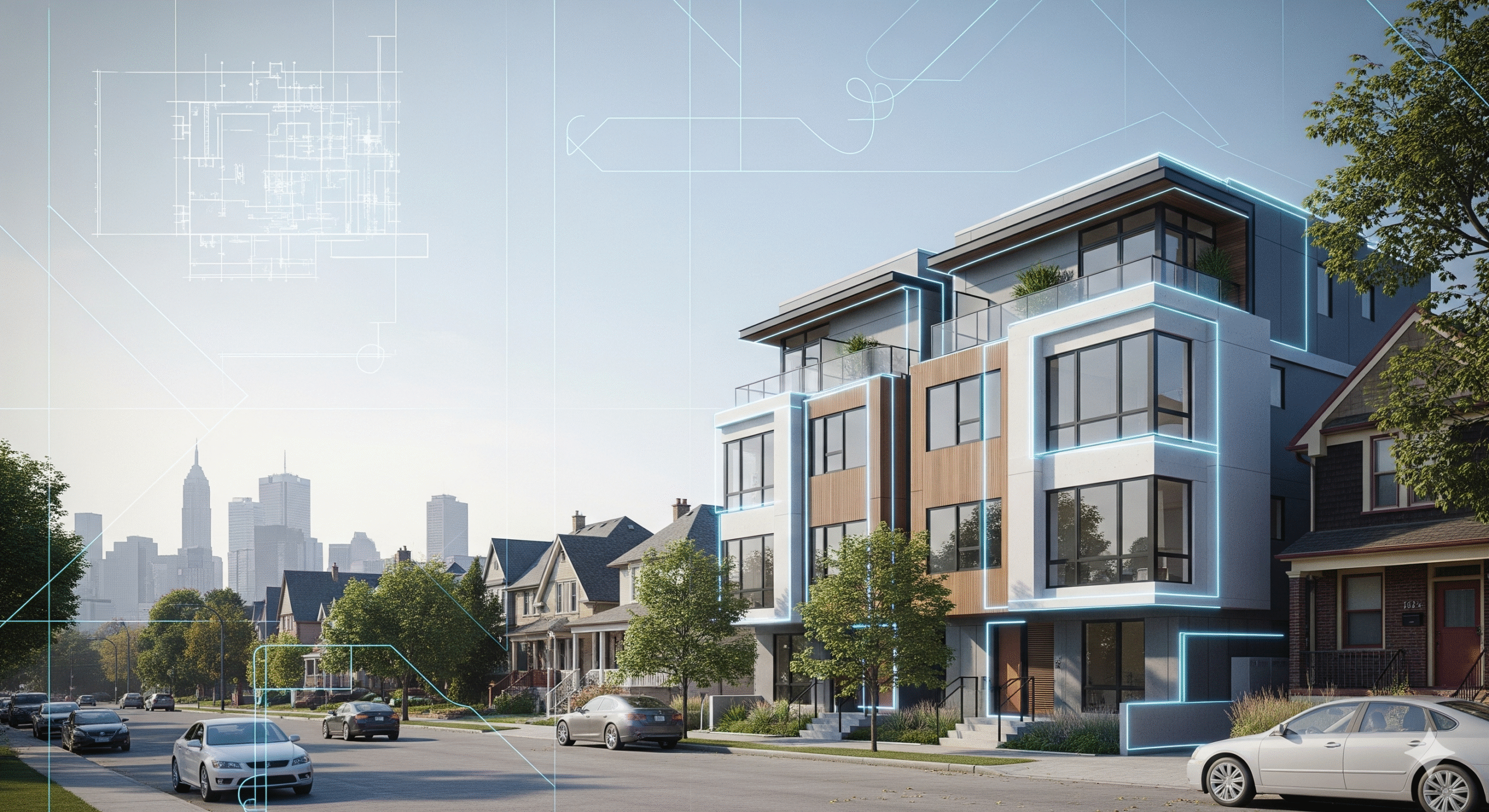
The Housing Crisis Is Bigger Than Most People Think
When people hear “housing crisis,” they often think about low-income housing.
That challenge is real.
But another group is getting squeezed.
The middle market.
These are teachers, nurses, firefighters, skilled tradespeople, office workers, and young families.
They earn too much to qualify for many housing assistance programs.
They often earn too little to comfortably buy a home in today’s market.
They are caught in the middle.
And the gap keeps growing.
Freddie Mac estimates the United States is short more than 3 million housing units. At the same time, home prices and rents remain well above pre-pandemic levels in many markets.
Demand continues to rise.
Supply struggles to keep up.
That creates one of the largest underserved opportunities in the country.
Who Makes Up the Middle Market?
Middle-market housing serves households that sit between subsidized housing and luxury housing.
These families are working.
Many have stable careers.
Many have good credit.
Many save responsibly.
Yet housing affordability remains out of reach.
According to the National Association of Realtors, the median existing home price in the United States has risen significantly over the past decade.
Mortgage rates have also increased compared to the unusually low levels seen during recent years.
The result is simple.
Homeownership has become harder.
Many families who once expected to buy are remaining renters longer.
Why the Market Missed This Opportunity
Developers follow economics.
Capital follows returns.
Luxury housing often generates higher revenue per unit.
That attracts investment.
The middle market can be more challenging.
Margins are tighter.
Projects require careful planning.
Creative capital structures become important.
David Rocker once reviewed a proposed development in a fast-growing market where nearly every new project targeted high-income renters.
“The local employers kept talking about housing problems,” he said. “The workforce needed housing. The new supply was aimed somewhere else.”
That disconnect appears across many growing markets.
Demand exists.
Supply does not.
The Numbers Tell the Story
The middle-market housing gap affects millions of Americans.
Harvard University’s Joint Center for Housing Studies reports that millions of renter households spend more than 30% of their income on housing.
Many spend far more.
Housing costs affect:
- Savings
- Education
- Transportation choices
- Family stability
- Workforce mobility
Businesses feel the impact too.
Employees struggle to live near jobs.
Commutes increase.
Turnover rises.
Recruitment becomes harder.
Housing is not just a real estate issue.
It is an economic issue.
Why Build-to-Rent Is Getting Attention
Families Want More Space
Many renters want features traditionally associated with homeownership.
They want:
- More square footage
- Private outdoor space
- Quiet neighborhoods
- Community amenities
Build-to-rent communities help meet those needs.
These developments consist of homes specifically built for long-term rental.
Residents gain flexibility.
Developers gain predictable demand.
Demand Continues to Grow
The National Rental Home Council reports continued expansion in build-to-rent construction across many Sun Belt markets.
The trend reflects changing consumer preferences.
People want options.
Build-to-rent creates another path.
Workforce Housing Solves a Real Problem
Workforce housing focuses on serving middle-income households.
These developments target people who keep communities functioning.
Teachers.
Healthcare workers.
Public safety personnel.
Tradespeople.
Office workers.
Service professionals.
The goal is practical affordability.
Not luxury.
Not subsidy dependence.
Practical housing.
What Makes These Projects Successful?
Location Matters
Housing should be close to employment centers.
Shorter commutes improve quality of life.
They also improve tenant retention.
Cost Discipline Matters
Projects must be designed efficiently.
Construction costs matter.
Operating costs matter.
Maintenance costs matter.
Every dollar saved through smart planning improves long-term viability.
Process Matters
Strong projects rely on disciplined execution.
Clear budgets.
Clear timelines.
Clear accountability.
The same operational principles that improve businesses improve developments.
Why Investors Are Paying Attention
Many investors are looking for stable demand.
Middle-market housing offers exactly that.
Luxury demand can fluctuate more dramatically.
Workforce housing often serves a broader base of residents.
People always need housing.
People always need places near jobs.
That creates durability.
Urban Institute research has shown that professionally managed housing serving moderate-income renters often experiences strong occupancy levels across economic cycles.
Stability matters.
Predictability matters.
Practical Solutions for Expanding Supply
Modernize Zoning
Many communities maintain zoning restrictions that limit housing options.
Flexible zoning can encourage development.
Speed Up Approvals
Time adds cost.
Long approval processes increase project expenses.
Efficient permitting supports affordability.
Encourage Public-Private Partnerships
Partnerships can help align community needs and development goals.
Both sides benefit.
Focus on Long-Term Demand
Housing decisions should consider population growth, employment growth, and household formation trends.
Short-term thinking creates long-term shortages.
Actionable Steps for Developers
- Study local workforce demographics.
- Analyze housing affordability trends.
- Target locations near major employment centers.
- Explore build-to-rent opportunities.
- Design efficient floor plans.
- Prioritize durable materials.
- Engage municipalities early.
- Focus on long-term operating performance.
- Track resident retention.
- Measure affordability outcomes.
Why This Opportunity Matters
The middle market is not a niche.
It is a large and growing segment of America.
Millions of households need housing that fits their income.
Millions of workers need housing close to employment.
Communities need stable residents.
Employers need stable workforces.
The opportunity sits at the intersection of all three.
Final Thoughts
The housing conversation often focuses on the extremes.
Luxury housing receives attention.
Affordable housing receives attention.
The middle market often receives less.
That creates opportunity.
The demand exists.
The demographics support it.
The economic need is clear.
Developers, investors, and policymakers who understand this gap can help create practical solutions.
Middle-market housing is not just underserved.
It may be one of the most important housing opportunities in America today.
