
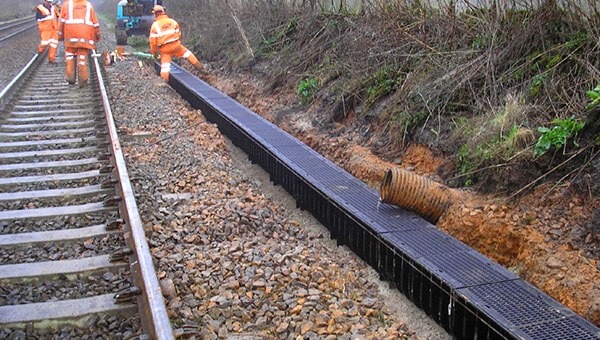
Channel drains play a crucial role in contemporary infrastructure by efficiently managing surface water. This product is integral to protecting structures from water damage, ensuring the safety of pedestrians and vehicles, and maintaining the longevity of various installations. For more detailed information on the different types available, one can refer to channel drain systems which offer diverse solutions tailored to specific requirements.
Understanding Channel Drains
Channel drains, also known as trench drains, are linear drainage systems used to remove excess water from paved surfaces. They are commonly employed in areas such as roads, car parks, airports, and pedestrian zones. By funneling water into a channel and directing it away from the surface, these drains prevent flooding and the related hazards.
Applications of Channel Drains
Channel drains are versatile and find applications in numerous environments. In urban settings, they protect roadways and pavements from pooling water that can undermine their structural integrity. In industrial zones, they facilitate the safe removal of chemicals and other liquid waste. Residential properties also benefit from channel drains as they prevent water from accumulating in undesirable areas such as basements and gardens.
Commercial and Industrial Uses
In commercial and industrial contexts, channel drains help manage large volumes of water and liquid waste. For parking lots and pavements, they are essential in preventing pooling that can lead to accidents. In facilities handling hazardous materials, these drains are crucial for safety and regulatory compliance.
Residential Applications
In residential areas, channel drains contribute to effective landscape and garden maintenance. By preventing waterlogging, they help maintain healthy soil conditions and plant life. They also reduce the risk of mosquito breeding, which thrives in standing water.
Components of a Channel Drain System
A typical channel drain system includes a trench or channel, a grating, and an outlet pipe. The trench is typically made from durable materials such as concrete, plastic, or metal, chosen according to the anticipated load and environmental conditions. The grating serves to protect the channel while providing a safe surface for pedestrian and vehicular traffic.
Choosing the Right Channel Drain
Selecting the appropriate channel drain involves considering various factors including the anticipated water flow, load requirements, and environmental conditions. Consulting industry professionals can provide valuable insights into the best option for a given scenario.
Materials and Durability
Channel drains are constructed from materials such as polymer concrete, polyethylene, and stainless steel. Each material offers different benefits such as corrosion resistance, lightweight structure, or high tensile strength, making them suitable for specific applications.
Load Bearing and Capacity
It is important to choose a drain that can handle the expected load. Drains are rated according to their ability to manage pedestrian, car, or even aircraft traffic, ensuring structural integrity under pressure.
Installation and Maintenance
Proper installation and regular maintenance are crucial for the efficient functioning of channel drains. Installation should be carried out by experienced professionals who understand grading, compaction, and alignment. Regular cleaning to remove debris and inspection for any potential damage ensures the longevity of the drain systems.
Conclusion
Channel drains are indispensable in modern infrastructure for managing surface water efficiently. They ensure safety, protect property, and enhance the longevity of various installations. As demonstrated, choosing the right channel drain and maintaining it effectively are critical steps in capitalising on their benefits.
