
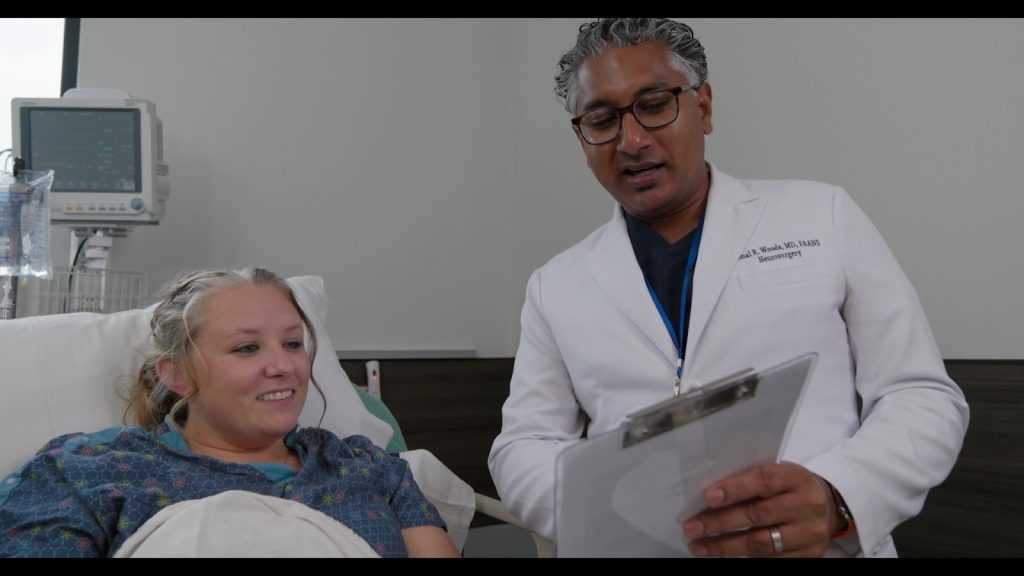
When you are dealing with chronic back pain, your life feels like it is on pause. You aren’t just looking for a doctor; you are looking for a way back to your “normal.” In the specialized world of neurosurgery, the most valuable “product” on the market is the judgment and skill of the surgeon. To help you navigate your options, we’ve put together a factual Q&A exploring the unique professional pedigree of the man behind the mission at our clinic.
Who is the person behind the precision?
At the core of our service is a professional profile that sounds like it was engineered for excellence. Dr. Kamal Woods, MD, MBA, FAANS, is a board-certified neurosurgeon whose career has been defined by a relentless pursuit of “better.” His medical foundation was laid during a high-intensity Neurosurgery Residency at Loma Linda University Medical Center. In the world of trauma and complex brain and spine cases, Loma Linda is a proving ground where surgeons learn to maintain absolute calm under immense pressure.
But he didn’t stop there. Recognizing that the spine is a complex intersection of nerves and bone, he pursued an elite Fellowship at Cedars-Sinai Medical Center in Los Angeles. This wasn’t just any fellowship; it was a Combined Orthopedic and Neurosurgery Spine Fellowship. This “dual-language” training is rare. It means he doesn’t just look at your spine as a neurosurgeon (focusing on the nerves) or as an orthopedist (focusing on the bones)—he sees it as a unified system. This hybrid expertise is the primary “service” that sets our outcomes apart.
Why does a neurosurgeon have an MBA?
It’s a fair question! You don’t often see “MBA” next to “MD” in a surgical clinic. Dr. Woods earned his Master of Business Administration from the Johns Hopkins Carey Business School with a very specific goal: to fix the “broken” parts of the healthcare experience. He realized that clinical excellence is often overshadowed by inefficient systems, long wait times, and poor communication.
By applying high-level management strategies to the clinical setting, he has “productized” the patient experience. The result is Vertrae®: Kamal Woods, MD, MBA, FAANS, a practice where the business of healing is handled with as much precision as a microdiscectomy. This strategic background allows the practice to offer a “concierge” feel, prioritizing the patient’s time and mental energy so they can focus entirely on getting well.
How does robotic technology fit into the service?
One of the most exciting “innovations” offered at the practice is the integration of robotic-assisted surgery. Dr. Woods is a proponent of using technology to enhance human skill, not replace it. By utilizing platforms like the Mazor X™, he can create a 3D “flight plan” for your surgery before you even enter the operating room.
Think of it like a high-tech GPS for your back. During the procedure, the robot guides the surgeon’s instruments with sub-millimeter accuracy. This level of precision is the key to minimally invasive spine surgery (MISS). Instead of the large, muscle-cutting incisions of the past, robotic assistance allows for tiny “keyhole” entries. This isn’t just a fancy gadget; it’s a tool that leads to less blood loss, lower infection rates, and a significantly faster trip back to your own living room.
Is surgery the only “product” offered?
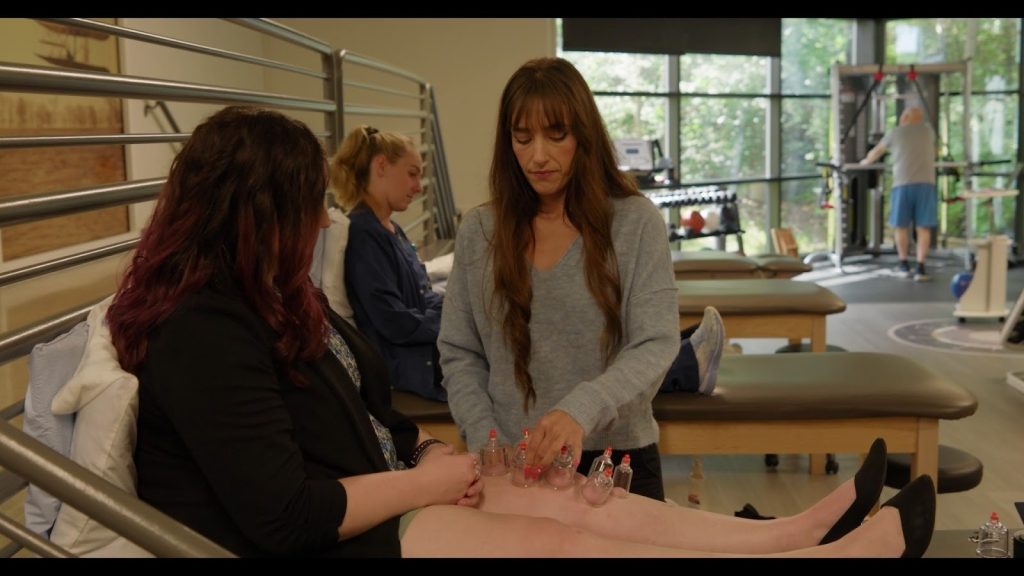
Actually, the most popular “service” at Vertrae is often a non-surgical plan. Dr. Woods operates on a “Human-First” philosophy. He understands that a successful outcome isn’t always a surgery; it’s a patient who is out of pain and back to their favorite hobbies.
The clinical team utilizes a research-based approach to explore every conservative option first. This includes specialized physical therapy, interventional pain management, and holistic lifestyle adjustments. When you consult with him, you are buying into a philosophy of “Engaged Listening.” He doesn’t just treat an MRI; he treats the person who owns the MRI. If surgery isn’t the absolute best path to your specific goal—whether that’s golfing, gardening, or picking up your grandkids—he will be the first person to tell you so.
What is the “Motion-Preservation” philosophy?
For decades, the “gold standard” for back surgery was spinal fusion—welding two vertebrae together. While effective for pain, it often left patients feeling stiff, like they had a rod in their back. One of the primary innovations Dr. Woods brings to the region is a focus on motion preservation.
Whenever clinically appropriate, he utilizes artificial disc replacements and non-fusion stabilization techniques. This is where his hybrid orthopedic and neurosurgical training shines. He understands the structural load of the spine well enough to know when we can safely keep it moving. This “MotionFirst™” mindset is a game-changer for active patients who don’t want to sacrifice their flexibility for pain relief. It’s about restoring the natural biomechanics of the body, rather than just stopping a joint from moving.
What does “Board Certified” mean for the patient?
In the age of the internet, anyone can call themselves an “expert.” However, being a Fellow of the American Association of Neurological Surgeons (FAANS) and board-certified by the American Board of Neurological Surgery (ABNS) is the ultimate “verified” badge. It means that Dr. Woods’ surgical outcomes, clinical judgment, and technical skills have been scrutinized by his peers and found to be in the top tier of the profession.
For the patient, this is a warranty of trust. It ensures that the innovative techniques being used—from robotic navigation to biological bone grafts—are grounded in evidence-based science. You aren’t just getting a doctor; you are getting a verified expert who stays at the absolute forefront of neurological research.
Conclusion: A New Standard for Your Spine
Ultimately, the “Bio of Dr. Kamal Woods” isn’t just a list of degrees on a wall; it is a promise of a better patient journey. By combining elite surgical pedigree with the strategic efficiency of an MBA and the heart of a “human-first” practitioner, he has redefined what it means to seek spine care in the 21st century. Whether you are looking for a second opinion or are ready to explore the latest in robotic technology, the goal remains the same: to get you moving again, with as little disruption to your life as possible.
