
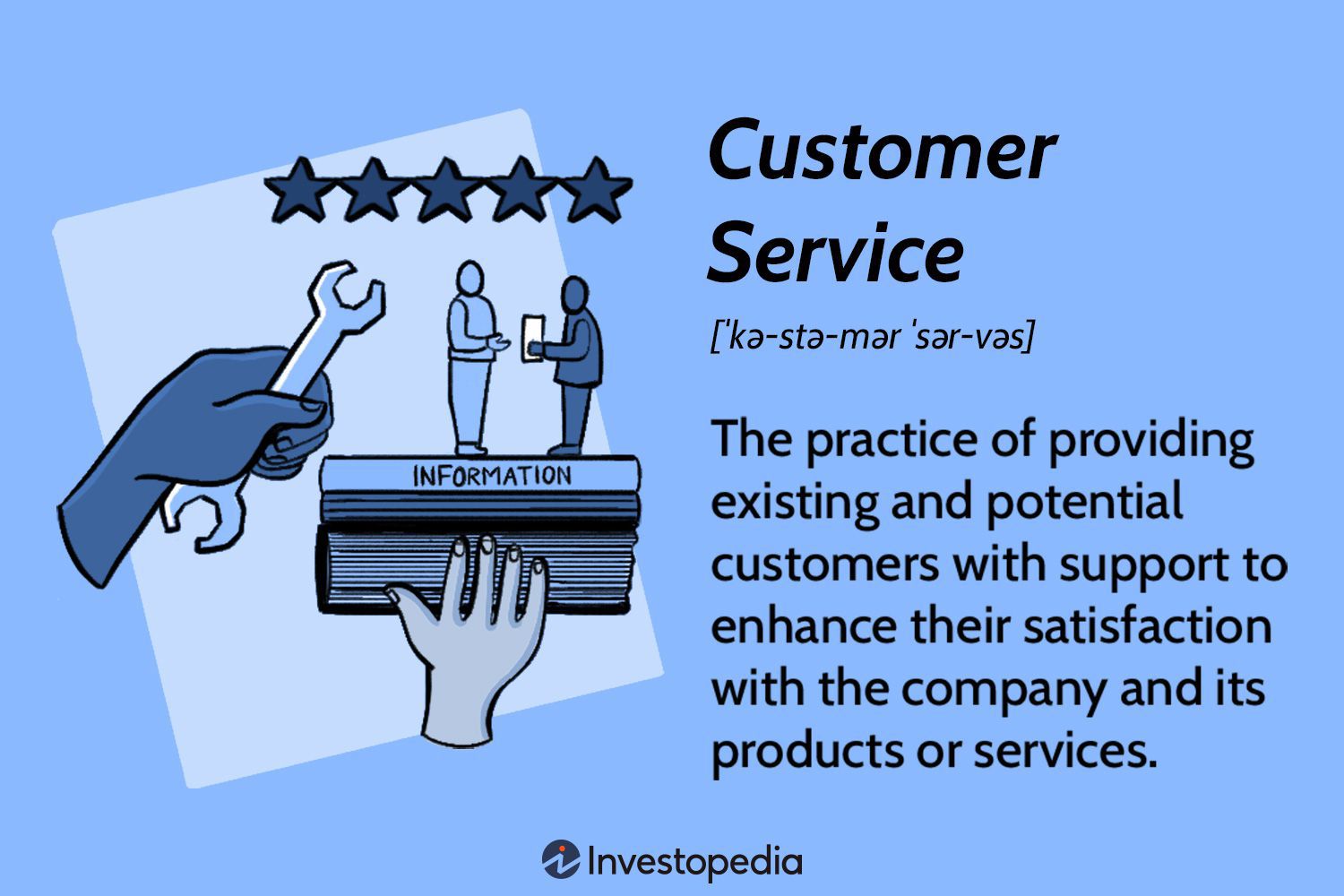
Customer service is often treated as a support function in business, something that exists to handle complaints or answer questions when things go wrong. But in reality, customer service is one of the most powerful growth drivers a company can have.
A great customer service team does far more than solve problems. It builds trust, increases retention, improves brand reputation, and directly influences revenue. In many industries, especially competitive digital markets, customer service becomes the main reason customers stay loyal to a brand instead of switching to competitors.
Despite this, many businesses underestimate its importance until they start losing customers.
For entrepreneurs who aim to scale quickly or buy a shelf company in Hong Kong to enter new markets faster, customer service becomes even more critical. A ready-made company structure may help with speed and credibility, but it is the customer experience that determines whether the business actually succeeds in the long run.
This article explores what truly makes a great customer service team, with real-world examples and practical insights.
Customer Service Is No Longer Just Support, It Is Strategy
In the past, customer service was considered a reactive function. Customers would contact support only when something went wrong.
Today, customer service plays a strategic role in business growth.
Every interaction with a customer influences brand perception. A single positive or negative experience can affect repeat purchases, referrals, and online reviews.
In highly competitive industries, customer service becomes a key differentiator.
Companies that understand this treat customer service as part of their core strategy, not just an operational necessity.
The Core Traits of a Great Customer Service Team
A great customer service team is not defined by scripts or tools. It is defined by mindset and execution.
The most successful teams share a few core traits: empathy, responsiveness, product knowledge, and consistency.
Empathy allows agents to understand customer frustration. Responsiveness ensures issues are resolved quickly. Product knowledge enables accurate solutions. Consistency builds trust over time.
When these traits come together, customer service becomes a competitive advantage rather than a cost center.
Real Example: Amazon’s Customer Obsession Model
One of the most well-known examples of customer service excellence is Amazon.
Amazon built its reputation partly on its ability to resolve customer issues quickly and efficiently, often prioritizing customer satisfaction over short-term profit.
If a product is damaged or delayed, Amazon frequently issues refunds or replacements without lengthy disputes.
This approach builds long-term trust, even when occasional mistakes occur.
The lesson here is simple: customers remember how easy it was to solve a problem more than the problem itself.
Real Example: Zappos and Emotional Customer Support
Zappos became famous for its customer service philosophy.
Instead of focusing only on efficiency, Zappos encouraged agents to create emotional connections with customers.
There are documented cases where support calls lasted hours, not because of inefficiency, but because agents were encouraged to build relationships.
This approach created extremely loyal customers who returned repeatedly and recommended the brand to others.
The key takeaway is that emotional connection can be more powerful than transactional efficiency.
Why Speed Matters in Customer Service
One of the biggest expectations in modern customer service is speed.
Customers do not want to wait days for responses. They expect fast, clear communication.
Slow responses create frustration and increase the likelihood of losing customers.
However, speed alone is not enough. It must be combined with accuracy.
Fast but incorrect responses can damage trust just as much as slow responses.
The best teams balance speed with quality.
The Role of Empowerment in Customer Service
Great customer service teams are empowered to make decisions.
When employees are forced to escalate every issue, response times increase and customer satisfaction decreases.
Empowerment allows frontline staff to solve problems directly without unnecessary delays.
This improves efficiency and creates a smoother customer experience.
Empowered teams also feel more trusted, which improves morale and performance.
Consistency Builds Long-Term Trust
Customers do not judge a business based on one interaction. They judge it based on consistency.
A great experience once is not enough. Customers expect the same level of service every time they interact with the company.
Consistency builds reliability, and reliability builds trust.
Inconsistent service, on the other hand, creates confusion and weakens brand loyalty.
This is why training and standardized processes are essential.
Product Knowledge Is Non-Negotiable
A customer service team cannot be effective if it does not understand the product.
Customers expect accurate answers and helpful guidance.
When agents lack product knowledge, they either provide incorrect information or waste time transferring issues.
Both outcomes reduce customer satisfaction.
Continuous training is essential to ensure that teams stay updated as products evolve.
Emotional Intelligence in Customer Service
Emotional intelligence is one of the most underrated skills in customer service.
Customers are often frustrated or stressed when they contact support.
A great customer service agent can recognize emotions, respond calmly, and de-escalate situations effectively.
This improves outcomes and prevents negative experiences from escalating.
Emotional intelligence transforms routine interactions into positive experiences.
Customer Service as a Retention Engine
Customer acquisition is expensive, but retention is where long-term profit is built.
Customer service plays a major role in retention.
When customers have positive support experiences, they are more likely to stay loyal to a brand.
They are also more likely to forgive occasional mistakes.
In many cases, strong customer service can turn unhappy customers into long-term advocates.
Why Structure Matters in Scaling Customer Service
As businesses grow, customer service becomes more complex.
More customers mean more inquiries, more issues, and more communication channels.
Without structure, customer service becomes chaotic.
This is where systems, workflows, and team hierarchy become important.
For businesses expanding internationally or looking to Buy a shelf company in Hong Kong, scaling operations quickly often requires strong backend systems, including customer support frameworks that can handle global demand.
A legal structure may enable expansion, but service quality determines sustainability.
The Importance of Feedback Loops
Great customer service teams do more than respond to customers. They also collect feedback.
Customer feedback is a valuable source of business insight.
It reveals product issues, service gaps, and improvement opportunities.
Companies that actively listen to customer feedback improve faster than those that ignore it.
Feedback loops turn customer service into a learning system for the entire business.
Technology Enhances but Does Not Replace Human Support
Automation tools, chatbots, and AI systems can improve efficiency in customer service.
However, they cannot fully replace human interaction.
Customers still want empathy, understanding, and real problem-solving in complex situations.
The most effective customer service teams use technology to support humans, not replace them.
Automation handles repetitive tasks while humans handle emotional and complex issues.
Final Reflection
A great customer service team is not defined by scripts, tools, or policies. It is defined by mindset, empathy, and execution.
The best teams are fast, consistent, knowledgeable, and emotionally intelligent. They treat customer interactions as opportunities to build trust rather than just resolve issues.
Real-world companies like Amazon and Zappos show that customer service can become a powerful growth engine when done correctly.
For entrepreneurs who aim to scale quickly or Buy a shelf company in Hong Kong, customer service becomes even more important because structure alone is not enough. Long-term success depends on how customers experience the brand.
In the end, great customer service is not just about solving problems. It is about creating reasons for customers to stay.
FAQs
What makes a great customer service team?
A great customer service team is defined by empathy, speed, product knowledge, consistency, and strong communication skills.
Why is customer service important for business growth?
Customer service improves retention, builds trust, and increases customer lifetime value, which directly impacts revenue.
How does customer service affect customer retention?
Positive customer service experiences make customers more likely to stay loyal and continue purchasing.
What is the most important skill in customer service?
Emotional intelligence is one of the most important skills because it helps manage customer frustration and improve communication.
Why is speed important in customer service?
Fast responses improve customer satisfaction, but speed must be balanced with accuracy to be effective.
How can customer service teams improve performance?
Training, empowerment, feedback systems, and clear processes help improve performance significantly.
Can automation replace customer service teams?
Automation can support customer service but cannot fully replace human empathy and complex problem-solving.
Why is customer service important when you Buy a shelf company in Hong Kong?
Because even with a ready-made company structure, customer experience determines long-term success and customer retention in competitive markets.
You should also read: TechAiTech
