
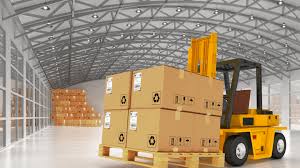
Warehouse efficiency is often judged by what happens deeper inside the facility. Metrics like pick rates, order accuracy, and automation levels tend to get the most attention. Yet one of the most influential areas is also one of the most overlooked. The first 100 feet, the space where goods transition between trucks and internal operations, quietly determines how smoothly everything else will run.
This area is easy to underestimate because it looks simple on the surface. There are no complex picking algorithms or high-density storage systems here. Instead, it is a handoff zone where transportation meets warehousing. When this space lacks structure, teams often rely on manual processes, aging equipment, or inefficient paths. Small slowdowns at this point quickly ripple outward, affecting labor utilization, dock availability, and overall throughput.
What makes these issues hard to diagnose is that the symptoms rarely appear at the source. Congested staging areas, extended trailer dwell times, and last-minute labor scrambles often seem like isolated problems. In reality, they frequently trace back to friction in this initial transition area. Add in unpredictable factors like weather delays, fluctuating volumes, or staffing gaps, and the pressure only increases.
Improving the first 100 feet starts with treating it as a core operational zone rather than a pass-through. This area should be designed to support consistent flow, adaptability, and worker safety. Thoughtful layout planning paired with the right equipment can significantly reduce friction. For example, MDR conveyors within distribution center conveyor systems can accelerate loading and unloading, reduce physical strain on workers, and ease congestion at the dock. These improvements help protect employees while keeping freight moving on schedule.
Visibility and coordination also play a major role. Dock scheduling and yard management tools give teams real-time insight into inbound and outbound activity. When warehouse and transportation teams are aligned on timing and priorities, transitions become smoother and last-minute disruptions are easier to manage.
The first 100 feet is more than a simple entry or exit point. It sets the pace for everything that follows. By investing attention and resources into this space, organizations can remove a hidden constraint and unlock stronger performance across the entire warehouse. When designed with intention, it becomes a foundation for efficiency rather than a source of delay.

